Cobble Hill’s Original California Taqueria Embroiled in High-Stakes Rent Dispute
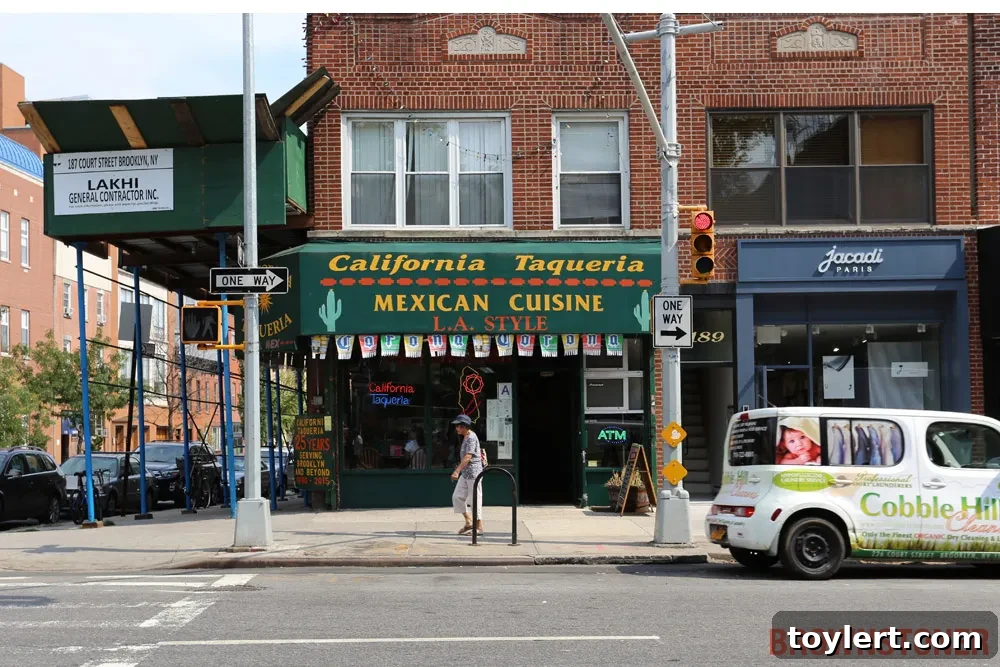
In the vibrant heart of Cobble Hill, Brooklyn, a local culinary fixture known for its beloved California-style burritos and indulgent nachos found itself at the center of a dramatic and very public controversy. The establishment, Original California Taqueria, located at 187 Court Street, gained notoriety not just for its popular menu, but for a startling accusation leveled by its landlord: an alleged failure to pay rent for an astonishing seven-year period, accumulating a debt exceeding $300,000.
This escalating dispute burst into the public consciousness when the landlord, Ramon Palermo, took an unconventional and highly visible approach to highlight his plight. In 2013, Palermo affixed a large, attention-grabbing sign to the top of his blue Subaru Forester, broadcasting the substantial sum he claimed was owed to him. This audacious act immediately garnered local attention and quickly escalated into a story picked up by major news outlets, casting a spotlight on the often-complex world of commercial landlord-tenant relations in New York City.
The Allegations Unveiled: A Significant Financial Burden
The core of the dispute revolved around Ramon Palermo’s assertion that Original California Taqueria had accumulated a staggering $312,000 in back rent. This figure, representing nearly a decade of alleged non-payment, painted a grim picture of a landlord facing severe financial strain. The sign prominently displayed on Palermo’s vehicle didn’t mince words, declaring: “CALIFORNIA TAQUERIA Continues to ABUSE the Landlord: ‘WWII VET.’ REFUSES TO PAY RENT…OWES $312,000.” This powerful message, reported by the New York Daily News at the time, was designed to evoke sympathy and highlight the perceived injustice, leveraging Palermo’s status as a World War II veteran to amplify his distress.
For a small business in a bustling neighborhood like Cobble Hill, such a public accusation of financial impropriety could have severe implications, not only for its legal standing but also for its reputation among loyal customers and the broader community. The sum involved was not trivial; $312,000 represents a substantial loss of income for any property owner, potentially impacting their own financial stability, ability to maintain the property, and even their personal livelihood. This dramatic public plea underscored the significant emotional and financial toll such long-standing disputes can take on individuals.
Original California Taqueria: A Cobble Hill Institution
Before the rent dispute cast a shadow, Original California Taqueria held a special place in the hearts of Cobble Hill residents. Known for bringing a taste of West Coast culinary flair to Brooklyn, the eatery had cultivated a reputation for its generous portions, vibrant atmosphere, and, most notably, its signature California-style burritos. These burritos, often packed with a hearty combination of meat, rice, beans, and fresh ingredients, along with their equally popular nachos piled high with toppings, were staples for many locals seeking comforting and flavorful Mexican-inspired cuisine. The restaurant was more than just a place to eat; it was a community hub, a familiar spot where neighbors gathered and visitors sampled a unique flavor profile.
The alleged seven years of unpaid rent, if true, raised questions about the operational stability and financial management of a seemingly thriving local business. How could a popular restaurant, frequented by many, accumulate such a significant debt without immediate intervention or resolution? This dichotomy between its public image as a beloved local spot and the private financial struggles highlighted by the landlord made the case particularly intriguing and poignant for the Cobble Hill community, many of whom were loyal patrons of the taqueria.
The Landlord’s Plight: Ramon Palermo’s Desperate Measures
Ramon Palermo’s decision to resort to public shaming via a sign on his vehicle was a testament to his profound frustration and desperation. As a landlord, particularly one identified as a World War II veteran, his emotional plea resonated with many. Landlords, like tenants, have rights and financial responsibilities, and the consistent non-payment of rent can create a cascading effect of economic hardship. For a property owner, rental income is often essential for mortgage payments, property taxes, maintenance, and personal living expenses.
The use of the “WWII VET” label on his sign was a deliberate appeal to public sentiment, drawing attention to his age and service, suggesting that a venerable member of the community was being exploited. This tactic, while unusual, proved effective in capturing media attention and public sympathy, transforming a private commercial dispute into a community-wide conversation. It underscored the perceived power imbalance, with a struggling veteran landlord allegedly being taken advantage of by a commercial tenant.
Understanding Commercial Rent Disputes in New York City
Commercial rent disputes in New York City can be notoriously complex and protracted. Unlike residential tenancies, commercial leases often offer fewer statutory protections to tenants, and the terms are heavily reliant on the specifics of the lease agreement signed by both parties. When a tenant allegedly fails to pay rent, the landlord typically follows a series of legal steps, beginning with formal notices of default, followed by eviction proceedings in court. These proceedings can involve extensive legal battles, negotiations, and court appearances, often stretching over months or even years.
For a landlord to claim seven years of unpaid rent suggests either an extremely lenient approach, a deeply entrenched legal battle that had yet to yield results, or a combination of factors that prevented earlier resolution. The amount of $312,000 would typically trigger aggressive legal action much sooner. The public nature of Palermo’s protest suggests that traditional legal channels, by 2013, may have proven frustratingly slow or ineffective from his perspective, leading him to seek a different kind of justice or at least public awareness.
The Power of Public Shaming and Media Attention
Palermo’s unique method of publicizing his grievance highlighted the potent, albeit controversial, power of public shaming. In an age dominated by social media and rapid news cycles, a visual protest like a sign on a car can quickly go viral, drawing widespread attention that traditional legal filings might not. While effective in raising awareness and potentially pressuring the tenant, such tactics also carry risks, including potential backlash, misrepresentation of facts, or unintended consequences for both parties.
The media’s role in this case was crucial. The New York Daily News article legitimized the landlord’s claims and brought the story to a broader audience, turning a local dispute into a city-wide talking point. This kind of exposure can significantly impact a business’s reputation, potentially affecting customer traffic, supplier relationships, and even employee morale. For Original California Taqueria, being publicly accused of such a substantial debt would undoubtedly have put immense pressure on its operations and public image.
Beyond the Headlines: Navigating Business Challenges and Landlord Rights
The case of Original California Taqueria and Ramon Palermo serves as a stark reminder of the myriad challenges faced by both small businesses and property owners in competitive urban environments like New York City. Operating a restaurant involves navigating thin profit margins, fluctuating consumer demand, high operational costs, and ever-increasing rent. Financial difficulties can arise from unexpected downturns, poor management, or unforeseen market shifts.
Conversely, landlords rely on consistent rental income to cover their expenses and realize a return on their investment. When tenants fail to meet their lease obligations, it can create a ripple effect, jeopardizing the landlord’s financial stability and potentially impacting the community if properties fall into disrepair or remain vacant. The balance between supporting local businesses and upholding contractual obligations is a delicate one, often requiring empathy, negotiation, and, sometimes, firm legal action.
While the ultimate resolution of this specific rent dispute concerning Original California Taqueria and Ramon Palermo was not detailed in the original reporting, such cases typically proceed through a series of legal steps, including court hearings, potential mediation, and ultimately, a judgment that could lead to eviction, a payment plan, or a negotiated settlement. Regardless of the outcome, the public nature of this dispute left an indelible mark on all involved and served as a cautionary tale within the Cobble Hill community.
Frequently Asked Questions About Commercial Rent Disputes
What is “back rent”?
Back rent, also known as rent arrears, refers to the amount of rent that a tenant owes to a landlord for past periods when payment was due but not made. In commercial settings, this can accumulate significantly, as seen in the Original California Taqueria case, where the alleged sum reached $312,000 over seven years.
What are a landlord’s typical options when a commercial tenant doesn’t pay rent?
Landlords generally follow a legal process. This often begins with sending a “Notice to Cure” or “Notice of Default,” giving the tenant a chance to pay the overdue rent. If the tenant fails to comply, the landlord may then initiate eviction proceedings through the court system, seeking to reclaim possession of the property and recover the owed rent. Mediation or settlement negotiations are also common.
Is public shaming, like using a sign on a car, a legal tactic for landlords?
While the act of displaying a sign on private property (like a car) in a public space is generally protected by free speech, the specific content could potentially lead to legal challenges if it contains defamation or false accusations. However, if the claims are factual, it typically falls within the bounds of public expression, albeit an unconventional and often dramatic one, aimed at drawing attention to a grievance.
How long does an eviction process usually take for commercial tenants in NYC?
The duration of a commercial eviction process in New York City can vary widely. It depends on factors such as the complexity of the case, whether the tenant contests the eviction, court backlogs, and the specific terms of the lease. It can range from a few months to over a year, especially if there are significant legal battles or appeals involved.
What impact does a public rent dispute have on a restaurant’s business?
A public rent dispute can severely damage a restaurant’s reputation and customer trust. Negative publicity may deter patrons, affect relationships with suppliers, and create an atmosphere of uncertainty for employees. While some might sympathize with the tenant, others might view it as a sign of financial instability or irresponsibility, leading to a decline in business.