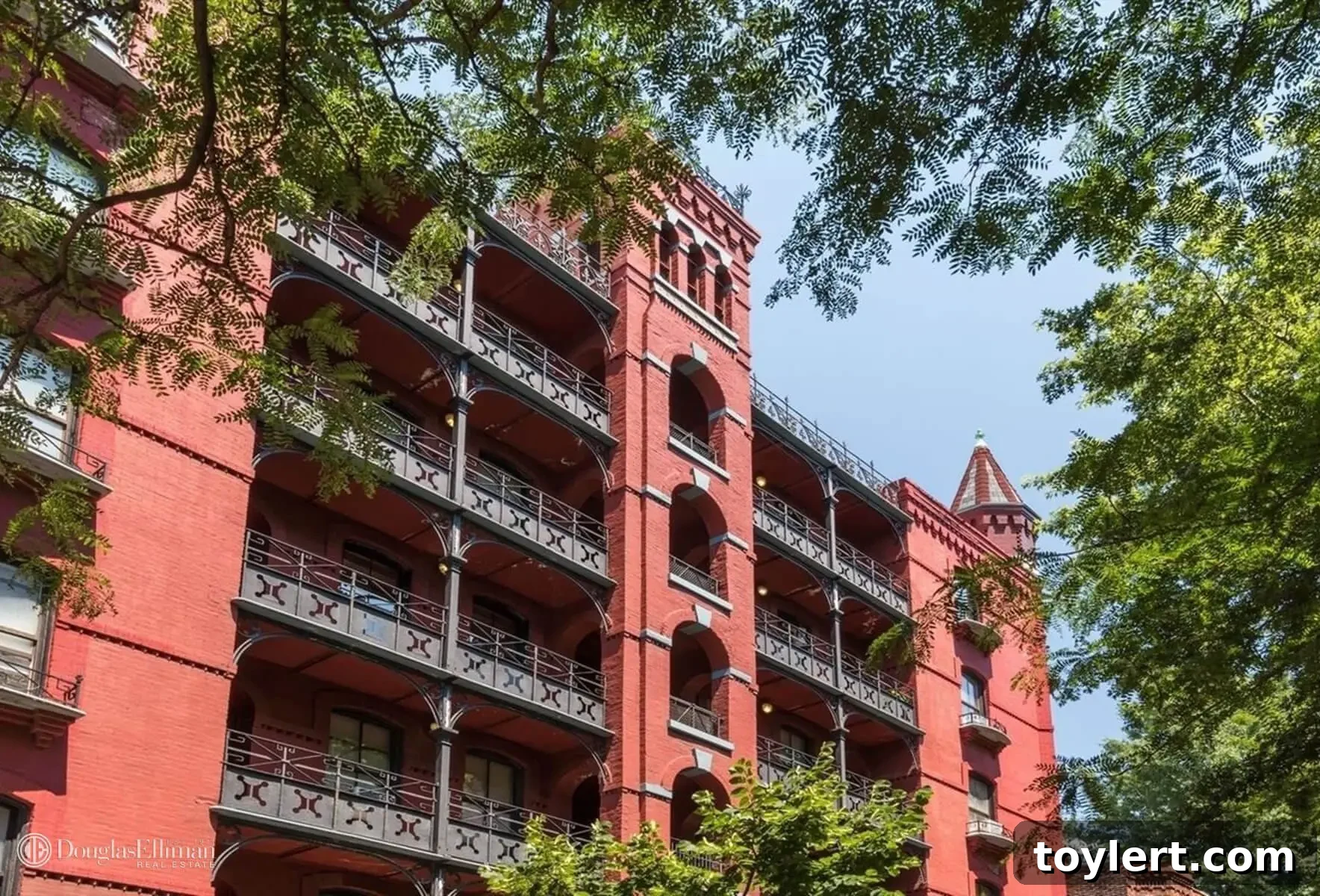
Historic Charm Meets Modern Living: A Cobble Hill Condo in the Iconic Cobble Hill Towers
Stepping into the heart of Brooklyn’s coveted Cobble Hill neighborhood, one discovers a truly unique residential opportunity within the storied Cobble Hill Towers. While the journey to this sixth-floor sanctuary might offer a brisk workout, it promises far more than just elevated living; it delivers a direct connection to a fascinating architectural legacy. This charming one-bedroom apartment is nestled within one of the distinctive red-brick edifices constructed in the 1870s by the visionary philanthropist Alfred Tredway White. Originally conceived as groundbreaking housing for the working poor, these buildings have evolved into highly sought-after condominiums, blending historical significance with contemporary urban appeal.
A Glimpse Inside: Your Cobble Hill Sanctuary
The apartment for sale on the sixth floor offers a thoughtfully designed, albeit compact, living space. Its layout is optimized for efficiency and comfort, making it an ideal choice for a single occupant, a couple, or as a sophisticated pied-à-terre in one of Brooklyn’s most desirable locales. While the initial listing might feature a singular compelling photograph, a comprehensive virtual tour is readily available, inviting prospective buyers to embark on an immersive exploration of every corner. This digital walkthrough provides an invaluable opportunity to appreciate the apartment’s potential, visualize personal touches, and understand how the space can be transformed into a bespoke urban retreat.
The Sixth-Floor Advantage: Views, Light, and a Healthy Ascent
The climb to the sixth floor, while a notable feature, contributes significantly to the unique character and benefits of this particular unit. For many, it’s not merely a staircase but a daily opportunity for healthful exercise, promoting wellness in an otherwise bustling urban environment. Beyond the physical advantages, occupying a top-floor unit often translates to superior natural light, enhanced privacy, and potentially more expansive views over the charming rooftops and tree-lined streets of Cobble Hill. Imagine waking up to sun-drenched rooms or enjoying serene evenings away from the immediate street-level bustle. The elevation also often means reduced street noise, contributing to a more tranquil living experience within this vibrant Brooklyn community. This blend of health, tranquility, and unique vantage points elevates the sixth-floor living experience beyond the ordinary.
Smart Living in a Compact Footprint
Despite its “fairly compact” description, this one-bedroom condominium embodies smart urban living. The ingenuity of its original design, coupled with modern updates, allows for an efficient and comfortable lifestyle. Such spaces often encourage a minimalist aesthetic and clever storage solutions, fostering an uncluttered and serene home environment. For those seeking to embrace the convenience and culture of Brooklyn without the burden of excessive space, this unit presents an ideal solution. It’s a testament to the idea that luxury and comfort are not solely defined by square footage, but by thoughtful design, historical resonance, and an unparalleled location. The compact nature invites creative interior design, allowing residents to personalize their space to perfectly reflect their style and needs, making every inch count.
The Legacy of Alfred Tredway White: Pioneering Social Housing
The Cobble Hill Towers, originally known as the Tower Buildings, are not just structures; they are monuments to a progressive vision of urban living from the late 19th century. Developed in the 1870s by the remarkable philanthropist Alfred Tredway White, these red-brick buildings were a radical departure from the squalid, overcrowded tenements prevalent in New York City at the time. White’s mission was to provide dignified, healthy, and affordable housing for the working poor, a concept revolutionary for its era. He believed that improved living conditions would lead to improved lives, fostering community and promoting well-being among residents. His pioneering efforts laid crucial groundwork for modern urban planning and social housing initiatives, making the Cobble Hill Towers a significant landmark in architectural and social history.
Architectural Innovation for Health and Community
What truly sets the Cobble Hill Towers apart are their innovative architectural features, specifically the iconic exterior hallways and staircases. This design choice was not merely aesthetic; it was a deliberate and scientific approach to public health. In an era when infectious diseases ravaged dense urban populations, White’s design aimed to maximize fresh air circulation and natural light, significantly reducing the spread of illness within the complex. These open-air pathways not only promoted healthier living but also fostered a stronger sense of community among residents, encouraging interaction and creating semi-private outdoor spaces. Unlike the dark, internal corridors of typical tenements, these exterior elements offered a breath of fresh air, literally and figuratively, creating an environment that was both functional and aesthetically pleasing. This thoughtful engineering for human well-being remains a testament to White’s forward-thinking vision.
From Tenements to Coveted Condos: A Transformative History
The transformation of the Tower Buildings from philanthropic housing to condominium ownership in 2010 marks a significant chapter in their history. While originally designed with only a few rooms per unit, each was remarkably equipped for its time with running water, a dedicated closet, and a stove for both cooking and heating – amenities that were considered progressive luxuries for working-class families in the 1870s. This early emphasis on essential comforts laid a foundation for contemporary urban living. Today, these historic units have been meticulously adapted to meet modern standards, retaining their original charm while offering the conveniences expected by discerning buyers. The transition from communal housing to individual condominium ownership reflects the evolving urban landscape of Brooklyn, allowing a new generation to appreciate and preserve this unique piece of New York City’s heritage, blending historic character with the prestige of homeownership.
Experiencing Cobble Hill: Brooklyn’s Quintessential Neighborhood
Beyond the allure of the building itself, the location of 439 Hicks Street within Cobble Hill offers an unparalleled lifestyle. Cobble Hill is consistently ranked among Brooklyn’s most desirable neighborhoods, celebrated for its enchanting tree-lined streets, historic brownstones, and a palpable sense of community that feels distinct from the relentless pace of Manhattan. Residents enjoy immediate access to an array of independent boutiques, gourmet food shops, critically acclaimed restaurants, and charming cafes that define the area’s vibrant commercial corridors, particularly along Court and Smith Streets. From leisurely weekend brunches to sophisticated evening dining, Cobble Hill provides a rich tapestry of experiences right at your doorstep. The neighborhood’s enduring appeal lies in its ability to balance serene residential blocks with a lively, pedestrian-friendly atmosphere, fostering a quality of life that is highly coveted.
Tree-Lined Streets and Enduring Appeal
The visual charm of Cobble Hill is undeniable, characterized by its beautifully preserved 19th-century architecture and lush, mature street trees that create a verdant canopy during warmer months. Strolling through its streets feels like stepping back in time, yet with all the modern amenities one could desire within easy reach. The historic district status ensures that the architectural integrity and picturesque streetscapes are maintained, contributing to the neighborhood’s enduring value and aesthetic appeal. This commitment to preservation means that homes in Cobble Hill, including those in the Cobble Hill Towers, offer a unique connection to Brooklyn’s past while providing a contemporary living experience. The harmonious blend of natural beauty and historical grandeur creates an atmosphere that is both sophisticated and inviting, making it a truly exceptional place to call home.
A Vibrant Community with Modern Conveniences
Cobble Hill isn’t just picturesque; it’s a dynamic and welcoming community. Its parks, such as Cobble Hill Park, offer green oases for relaxation and recreation, popular with families and individuals alike. The neighborhood boasts excellent public transportation options, with several subway lines (F, G, A, C, R) providing swift access to Manhattan and other parts of Brooklyn, ensuring seamless connectivity for commuters and explorers. Esteemed educational institutions, community events, and a strong local business presence further enhance the appeal of this self-sufficient and thriving area. The integration of historical architecture with a modern, amenity-rich urban environment makes Cobble Hill a prime choice for those seeking a balanced and enriched lifestyle in New York City. Living at 439 Hicks Street means immersing oneself in a neighborhood that truly has it all.
Unlocking the Value of 439 Hicks Street
A Unique Investment in Brooklyn’s Heritage
Owning a unit at 439 Hicks Street is more than acquiring real estate; it’s an investment in a piece of Brooklyn’s rich heritage and a testament to progressive urban development. The Cobble Hill Towers represent a unique intersection of history, philanthropy, and architectural innovation. As a condominium, this property offers the advantages of ownership within a historically significant and meticulously maintained complex. For buyers who appreciate character, architectural depth, and a story behind their home, this apartment presents an unparalleled opportunity. Its location in one of Brooklyn’s most stable and desirable neighborhoods further solidifies its long-term investment potential, promising not just a home but a valuable asset in a constantly evolving real estate market. The rarity of such a historically rich and well-preserved property in a prime location cannot be overstated.
Exploring the Potential: Design and Lifestyle
The compact yet functional layout of this one-bedroom unit invites creative vision and thoughtful design. For those inspired by minimalist living, the space can be transformed into a highly efficient and stylish urban retreat. Imagine bespoke built-ins, multi-functional furniture, and a palette of colors that enhance the natural light flowing in from the sixth floor. The unique historical context of the building also lends itself to interior design choices that honor its past, perhaps by incorporating vintage elements or materials that complement the red-brick exterior. Beyond the walls of the apartment, the lifestyle offered by 439 Hicks Street is one of vibrant urban engagement coupled with serene residential charm. Residents can enjoy morning coffees at local cafes, evening strolls along picturesque streets, and easy access to all the cultural and culinary delights that Cobble Hill and wider Brooklyn have to offer. This apartment is not just a place to live; it’s a gateway to a distinctive and fulfilling urban lifestyle.
Your Opportunity to Own a Piece of History
This exquisite one-bedroom condo at 439 Hicks Street represents a rare chance to own a piece of Alfred Tredway White’s enduring legacy in the heart of Cobble Hill. It offers a unique blend of architectural significance, historical depth, and modern urban living, all within one of Brooklyn’s most enchanting neighborhoods. The opportunity to live in a building that pioneered healthy urban housing, now transformed into coveted condominiums, is truly exceptional. Whether you are a first-time buyer seeking an entry into the Brooklyn market, a history enthusiast, or someone desiring a vibrant yet tranquil urban lifestyle, this Cobble Hill gem invites you to discover its charm and potential. Explore the virtual tour today and imagine yourself as the next custodian of this remarkable piece of New York City’s architectural and social history.