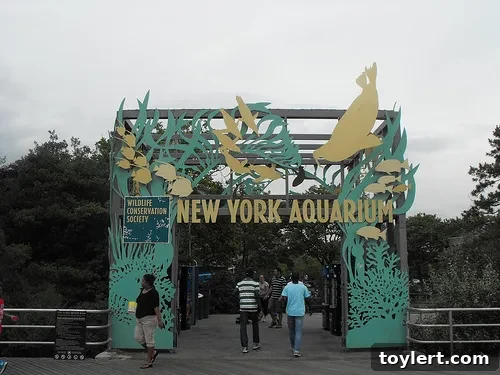
New York Aquarium: A Story of Resilience and Rebirth After Hurricane Sandy
The iconic New York Aquarium, a beloved institution nestled along the vibrant Coney Island boardwalk, is set to embark on a momentous new chapter. Excitement is building as the Wildlife Conservation Society (WCS), the esteemed organization that manages the aquarium, has confirmed its partial reopening in the late spring. While an exact date is still eagerly anticipated, the announcement signals a powerful testament to resilience and unwavering dedication in the face of unprecedented adversity. This partial reopening marks a significant milestone in the aquarium’s recovery journey, inviting visitors once again to explore the wonders of the ocean and reconnect with its vital conservation mission.
A Cherished Landmark: The Enduring Legacy of the New York Aquarium
For over a century, the New York Aquarium has served as a cornerstone of marine education, conservation, and research. Established in 1896, it holds the distinction of being the oldest continually operating aquarium in the United States. Its location in Coney Island, Brooklyn, makes it a cherished local attraction and a significant draw for tourists worldwide, contributing immensely to the cultural fabric and economic vitality of the borough. Beyond its role as an entertainment venue, the aquarium stands as a critical educational resource, inspiring countless individuals, particularly younger generations, to appreciate and protect aquatic life and ecosystems. Through engaging exhibits, interactive programs, and groundbreaking research, the New York Aquarium champions the cause of marine conservation, making it an indispensable asset to both New York City and the global effort to safeguard our oceans.
Hurricane Sandy’s Fury: A Catastrophic Blow to a Vital Institution
The autumn of 2012 brought unimaginable devastation to the East Coast in the form of Hurricane Sandy, a superstorm of immense power and destructive force. Coastal communities, including the vibrant neighborhood of Coney Island, bore the brunt of its impact. The New York Aquarium, situated precariously close to the shore, found itself directly in Sandy’s path. The storm surge was catastrophic, inundating the complex with a relentless torrent of seawater. The basement levels were submerged under an astonishing 10 to 15 feet of water, while even the ground floor, where many critical exhibits and life support systems were located, was deluged with two to three feet. This wasn’t merely surface flooding; the saltwater intrusion wreaked havoc on essential infrastructure, compromising electrical systems, filtration units, pumps, and temperature controls – all vital for the survival and well-being of the thousands of marine animals housed within the facility. The scale of the damage was immense, with the Wildlife Conservation Society estimating the total cost of repairs and recovery at a staggering $65 million.
A Race Against Time: Heroic Efforts to Save Marine Life
In the immediate aftermath of Hurricane Sandy, with the aquarium complex plunged into chaos and darkness, the dedicated staff of the New York Aquarium, integral members of the Wildlife Conservation Society, sprang into action with truly heroic resolve. Their mission was clear, urgent, and daunting: to ensure the survival of every single marine inhabitant. Working tirelessly, around the clock, they battled against overwhelming odds. The top priority was restoring and maintaining the crucial life support systems for the diverse array of species, from delicate corals and vibrant tropical fish to powerful sharks and playful sea lions. Emergency generators became the lifeline, supplying critical power for filtration, aeration, and temperature control, preventing what could have been a catastrophic loss of life. The challenges were immense – navigating flooded areas, salvaging equipment, and constantly monitoring water quality and animal health in an environment that was itself severely compromised.
The staff’s extraordinary efforts prevented the need for a mass evacuation of the animals, an undertaking that would have been incredibly complex, stressful for the creatures, and fraught with risk. Their unwavering commitment and expertise during those critical days and weeks exemplified the profound dedication of those who work to protect and care for marine life, solidifying the aquarium’s reputation not just as an attraction, but as a sanctuary.
The Dawn of a New Chapter: A Phased Reopening and Renewed Hope
The announcement of the partial reopening in late spring brings a wave of renewed hope and excitement. While only half of the aquarium will initially open its doors to the public, this represents a significant step forward in the long journey of recovery. Visitors will once again be able to immerse themselves in the wonders housed within the Main Hall, a central hub showcasing a diverse collection of aquatic species from various global ecosystems. Additionally, the beloved outdoor area of Sea Cliffs will welcome back guests, offering captivating views of the resident seals, sea lions, and otters in their dynamic habitats. These exhibits not only provide joy and education but also underscore the incredible resilience of both the animals and the dedicated teams caring for them.
The phased approach to reopening is a strategic decision, allowing ongoing repairs and construction in other damaged sections of the aquarium to proceed without interruption. This ensures that while the public can begin to enjoy parts of the facility, the comprehensive restoration necessary to bring the entire complex back to its full splendor can continue efficiently and safely. The Wildlife Conservation Society is committed to rebuilding the aquarium stronger and more resilient than ever, and this partial reopening is a vibrant first glimpse into its revitalized future.
The Wildlife Conservation Society’s Unwavering Commitment to Conservation
At the heart of the New York Aquarium’s recovery and its ongoing mission is the Wildlife Conservation Society (WCS). This esteemed organization is renowned globally for its unwavering commitment to protecting wildlife and wild places. Their expertise in animal care, veterinary medicine, research, and conservation policy has been instrumental throughout the challenging post-Sandy period. WCS not only spearheaded the extensive fundraising efforts required to address the $65 million in damages but also meticulously managed the complex reconstruction projects. Their vision extends far beyond mere repair; it encompasses rebuilding with enhanced resilience and a renewed focus on pioneering conservation initiatives. The society’s leadership ensures that the aquarium remains a powerful advocate for marine species and ecosystems, educating visitors about critical issues such as habitat loss, climate change, and sustainable practices, thereby inspiring a new generation of conservationists.
Building for the Future: Resilience, Innovation, and Ocean Wonders
The experience of Hurricane Sandy, while devastating, also served as a powerful catalyst for innovation and long-term planning at the New York Aquarium. The rebuilding efforts have moved beyond simple restoration, incorporating cutting-edge climate resilience strategies to protect the facility from future extreme weather events. This includes elevating critical infrastructure, implementing advanced flood mitigation systems, and utilizing robust, marine-grade materials to withstand the harshest coastal conditions. The vision for the aquarium’s future is ambitious and exciting. While the initial reopening focuses on existing beloved exhibits, plans are well underway for transformative projects like “Ocean Wonders: Sharks!,” a sprawling new exhibit designed to offer immersive experiences with sharks and other incredible marine creatures, further enhancing the aquarium’s educational and conservation impact.
These new developments promise not only an enriched visitor experience but also solidify the aquarium’s role as a leader in marine science and environmental education. Through its revitalized facilities and expanded programs, the New York Aquarium will continue to inspire a deeper understanding and appreciation for the wonders of the aquatic world, fostering a collective responsibility to protect its delicate balance for generations to come.
Rediscovering the Wonders of the Ocean: Planning Your Visit
As the New York Aquarium prepares to welcome back visitors, the anticipation is palpable. For many New Yorkers and tourists alike, a trip to the aquarium is a cherished tradition, a chance to escape into an underwater world of beauty and intrigue. With the Main Hall and Sea Cliffs exhibits open, guests can look forward to reconnecting with the mesmerizing diversity of marine life, from vibrant schools of fish to the playful antics of seals and sea lions. It’s an opportunity not just for entertainment, but for learning and inspiration, witnessing firsthand the vital work of conservation. Every visit supports the ongoing recovery and future endeavors of this irreplaceable institution, contributing to its mission of protecting ocean wildlife.
Conclusion: A Symbol of Hope and Enduring Spirit
The partial reopening of the New York Aquarium is more than just an event; it is a powerful symbol of hope, resilience, and the enduring spirit of New York City. From the depths of devastation wrought by Hurricane Sandy, the dedicated efforts of the Wildlife Conservation Society and its heroic staff have painstakingly brought this beloved institution back to life. As its doors prepare to swing open once more, inviting the public to witness the wonders of marine life within its partially restored walls, the aquarium stands as a testament to perseverance. It reiterates its crucial role as a center for education, conservation, and community engagement. This spring, visitors will not only encounter incredible aquatic creatures but also become part of a remarkable story of recovery and a vibrant future dedicated to safeguarding our planet’s precious oceans.
An Aquarium in Brooklyn Will Partly Reopen in Spring [NY Times]
Photo by fatmat426