Coney Island Ferry Landing Construction Triggers Environmental Alarm Amid Suspected Oil Sheen
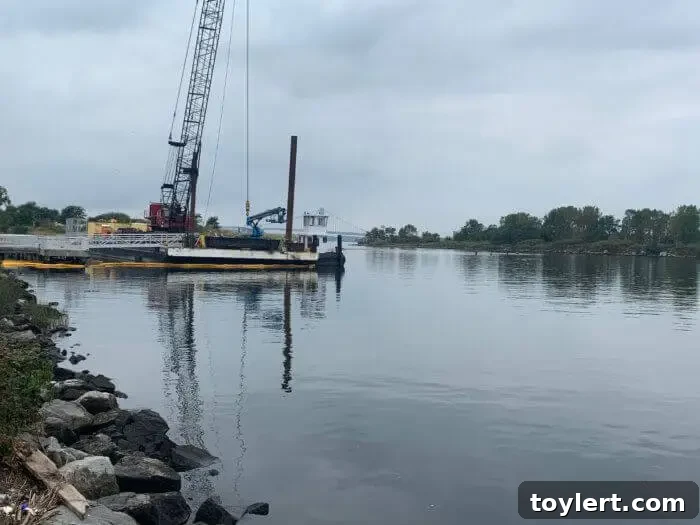
The tranquil waters of Coney Island Creek have once again become a focal point of environmental concern, as local residents and elected officials raise alarms following suspected sightings of an oil sheen. The discovery, coinciding with ongoing dredging for the peninsula’s anticipated ferry landing at Kaiser Park, has reignited long-standing fears about the waterway’s ecological health and the potential impacts of major infrastructure projects on delicate coastal ecosystems. Community leaders are now demanding a comprehensive and transparent investigation from city, state, and federal agencies, urging them to prioritize environmental protection alongside urban development.
The Alarming Discovery: Oil Sheen Raises Red Flags in Coney Island Creek
On October 5, two separate Coney Island residents independently documented what they strongly believed to be oil slicks on the surface of Coney Island Creek. These concerning observations were made near Kaiser Park, the very location where the New York City Economic Development Corporation (EDC) is actively engaged in the construction of a new ferry landing. The quick-thinking residents captured photographic evidence of the potential contamination, photos that swiftly made their way to local authorities and environmental watchdogs.
The urgency of the situation was immediately recognized by Assembly Member Mathylde Frontus, a dedicated advocate for the Coney Island community. The very next day, October 6, Assembly Member Frontus took decisive action, forwarding the compelling photographs to a trifecta of crucial environmental and maritime oversight bodies: the New York State Department of Environmental Conservation (DEC), the Environmental Protection Agency (EPA), and the Coast Guard. This swift escalation underscored the gravity of the suspected spill and the immediate need for official intervention and investigation into the water quality of Coney Island Creek.
Community Demands: A Call for Robust Environmental Assessment
The suspected oil sheen prompted an immediate and resolute response from the community and its representatives. On October 13, Assembly Member Mathylde Frontus organized a press conference, gathering concerned residents and media to publicly articulate the community’s demands for thorough governmental oversight. “We are asking for a robust assessment from the city, the state, and the federal government,” Frontus declared, emphasizing the collective desire for comprehensive data and accountability. Her impassioned plea highlighted several critical areas requiring immediate attention.
Foremost among these demands was the urgent need for continuous air quality monitoring in the vicinity of the dredging operations. Residents expressed profound concern about the potential release of noxious fumes or particulates into the atmosphere, which could pose significant health risks to those living and working nearby. Coupled with this, Frontus stressed the imperative to conduct rigorous and independent testing of the creek’s water. The aim is not only to confirm the presence of pollutants but also to identify their specific composition and origin, shedding light on the full extent of the contamination.
Beyond the immediate incident, the Assembly Member also called for a detailed investigation into the long-term environmental effects of the ongoing dredging activities. Dredging, while often necessary for infrastructure projects, has the potential to disturb historically contaminated sediments, releasing trapped pollutants into the water column and wider ecosystem. Understanding these potential long-term consequences is crucial for mitigating future damage and ensuring the sustainable development of Coney Island’s waterfront. The community’s message was clear: no project, however beneficial, should come at the cost of environmental integrity or public health.
Understanding the Coney Island Ferry Project and its Context
The construction of the Coney Island Ferry Landing is part of a broader initiative by the NYC Economic Development Corporation (EDC) to expand the city’s ferry network, enhancing transportation options and stimulating economic activity in underserved waterfront communities. The ferry service promises to provide residents with a direct, efficient link to Manhattan, potentially reducing commute times and fostering new opportunities for local businesses and tourism. The chosen site for this vital infrastructure project is Kaiser Park, a significant public space situated along the northern stretch of Coney Island Creek, an inlet with a complex and often troubled environmental history.
Central to the ferry landing construction is the process of dredging. This engineering operation involves excavating sediment from the bottom of the waterway to create a sufficiently deep channel for ferry vessels to safely dock and navigate. While an essential component of maritime infrastructure development, dredging in historically industrialized or polluted waterways like Coney Island Creek carries inherent risks. The disturbance of the creek bed can potentially churn up layers of accumulated sludge, chemical residues, and other contaminants that have settled over decades, posing a renewed threat to water quality and marine life.
Dredging: Necessity, Historical Context, and Environmental Risks
Dredging is an undeniable necessity for port and ferry terminal development, ensuring that vessels can operate without grounding. However, in an urban estuary like Coney Island Creek, this process is far from benign. The creek has a long and unfortunate history of industrial pollution, serving as a dumping ground for various industries throughout the 20th century. Decades of runoff, untreated wastewater, and industrial discharges have left a legacy of heavy metals, polychlorinated biphenyls (PCBs), polycyclic aromatic hydrocarbons (PAHs), and other toxic substances embedded within its sediments.
When dredging commences, these dormant contaminants can be disturbed, resuspended into the water column, and subsequently spread by currents. This resuspension can lead to an immediate and significant degradation of water quality, making the water unsafe for recreational use and harmful to aquatic organisms. Furthermore, these pollutants can bioaccumulate in the food chain, impacting fish, crabs, and birds, and eventually posing risks to human health through consumption. The suspected oil sheen, whether directly related to the dredging machinery or the disturbance of historical deposits, serves as a stark reminder of these environmental vulnerabilities.
The environmental impact is multifaceted. Beyond direct toxicity, the disturbance of the creek bed can destroy benthic habitats, displace marine organisms, and alter the hydrological dynamics of the waterway. Turbidity – the cloudiness of the water caused by suspended particles – can reduce sunlight penetration, affecting photosynthetic life and the overall oxygen levels in the creek, creating an unhealthy environment for aquatic flora and fauna. These concerns underscore why comprehensive environmental impact assessments and rigorous monitoring protocols are not merely bureaucratic hurdles but essential safeguards for public and ecological well-being.
Navigating Regulatory Oversight: City, State, and Federal Agencies
The call for a multi-agency assessment highlights the complex web of environmental regulations and responsibilities governing projects of this scale. The New York State Department of Environmental Conservation (DEC) is typically the lead state agency responsible for protecting New York’s natural resources, including water quality. Their role would involve investigating the reported oil sheen, sampling water and sediment, and enforcing state environmental laws. The DEC Spills Hotline (1-800-457-7632) serves as a critical public resource for reporting suspicious environmental incidents, empowering citizens to become frontline environmental stewards.
On the federal level, the Environmental Protection Agency (EPA) provides overarching regulatory oversight, especially concerning federal clean water acts and hazardous waste management. The EPA can provide technical assistance, conduct its own investigations, and ensure that state agencies and project developers adhere to federal environmental standards. The Coast Guard, with its maritime jurisdiction, plays a crucial role in responding to oil spills and enforcing regulations related to vessel operations and pollution prevention in navigable waterways. Their involvement would focus on containment, cleanup, and identifying the source of any petroleum-based contaminants.
The NYC Economic Development Corporation (EDC), as the project developer, bears the primary responsibility for ensuring that construction activities, including dredging, are conducted in an environmentally sound manner. This includes obtaining all necessary permits, adhering to environmental mitigation plans, and responding promptly and effectively to any incidents of pollution. The current situation demands transparent communication and full cooperation from the EDC with all investigating agencies, ensuring public trust and accountability.
A History of Vigilance: Coney Island’s Environmental Journey
The recent incident is not an isolated event but rather a chapter in Coney Island’s long and often challenging relationship with its environment. For decades, residents have been vocal advocates for the cleanup and revitalization of Coney Island Creek, a waterway that has historically suffered from neglect and pollution. Past community efforts have successfully pushed for stricter environmental regulations, restoration projects, and greater awareness of the creek’s ecological significance.
This history of vigilance means that residents are acutely aware of potential environmental threats and are quick to act when concerns arise. Their proactive documentation of the oil sheen exemplifies a deeply ingrained sense of stewardship and a commitment to protecting their local environment. The community understands that while economic development, such as the new ferry landing, can bring significant benefits, it must not undermine the progress made in environmental recovery or jeopardize the health of the community and its natural surroundings. Striking a balance between progress and preservation remains a constant challenge and a critical priority for the people of Coney Island.
Potential Health and Ecological Consequences of Creek Contamination
The presence of an oil sheen, if confirmed as petroleum-based, carries a myriad of potential health and ecological consequences. For human health, exposure to oil can lead to skin irritation, respiratory problems if vapors are inhaled, and gastrointestinal issues if contaminated water or seafood is ingested. The closer residents live to the source of contamination, the higher their risk of exposure. Children and individuals with pre-existing respiratory conditions are particularly vulnerable.
Ecologically, oil spills are devastating. Oil can coat the feathers of birds, impairing their ability to fly, forage, and regulate body temperature, often leading to hypothermia and death. It can smother marine life, including fish, crabs, and smaller organisms essential to the food web. Oil also degrades water quality by reducing oxygen levels and introducing toxic compounds that can persist in the environment for years, altering ecosystems and impacting biodiversity. The long-term effects on the delicate balance of Coney Island Creek’s ecosystem could be substantial, hindering ongoing restoration efforts and impacting the future health of the waterway.
Charting a Course Forward: Transparency and Sustainable Practices
To move forward responsibly, several critical steps must be undertaken. First, the investigating agencies – DEC, EPA, and Coast Guard – must conduct thorough and transparent investigations. This includes comprehensive sampling, clear communication of findings to the public, and swift action to identify the source of the sheen and hold responsible parties accountable. Independent environmental experts should also be engaged to provide unbiased assessments.
Second, the NYC EDC must re-evaluate its environmental mitigation strategies for the ferry landing project, particularly concerning dredging operations. This may involve implementing more advanced containment measures, continuous real-time monitoring of water quality during dredging, and updating existing environmental impact statements based on current conditions. Public engagement and open dialogue with community representatives are vital to rebuilding trust and ensuring that community concerns are genuinely addressed.
Finally, this incident underscores the importance of public vigilance. Residents are encouraged to continue reporting any suspicious environmental observations to the DEC Spills Hotline at 1-800-457-7632. Empowering the community to be part of the solution is a cornerstone of effective environmental protection. The Coney Island ferry promises to be a valuable asset, but its success must not come at the expense of the cherished natural resources and public health of this iconic Brooklyn neighborhood.
Conclusion: Ensuring a Green Future for Coney Island
The suspected oil sheen in Coney Island Creek is a sobering reminder that urban development, even when well-intentioned, carries significant environmental responsibilities. As the Coney Island Ferry Landing progresses, the incident highlights the critical need for unwavering governmental oversight, robust environmental safeguards, and transparent communication with the community. For the residents of Coney Island, the fight for a clean and healthy creek is a continuous journey, one where economic prosperity and ecological integrity must go hand-in-hand. Only through concerted effort, accountability, and a commitment to sustainable practices can Coney Island truly ensure a vibrant and green future for generations to come, allowing both its iconic waterfront and its precious ecosystems to thrive.