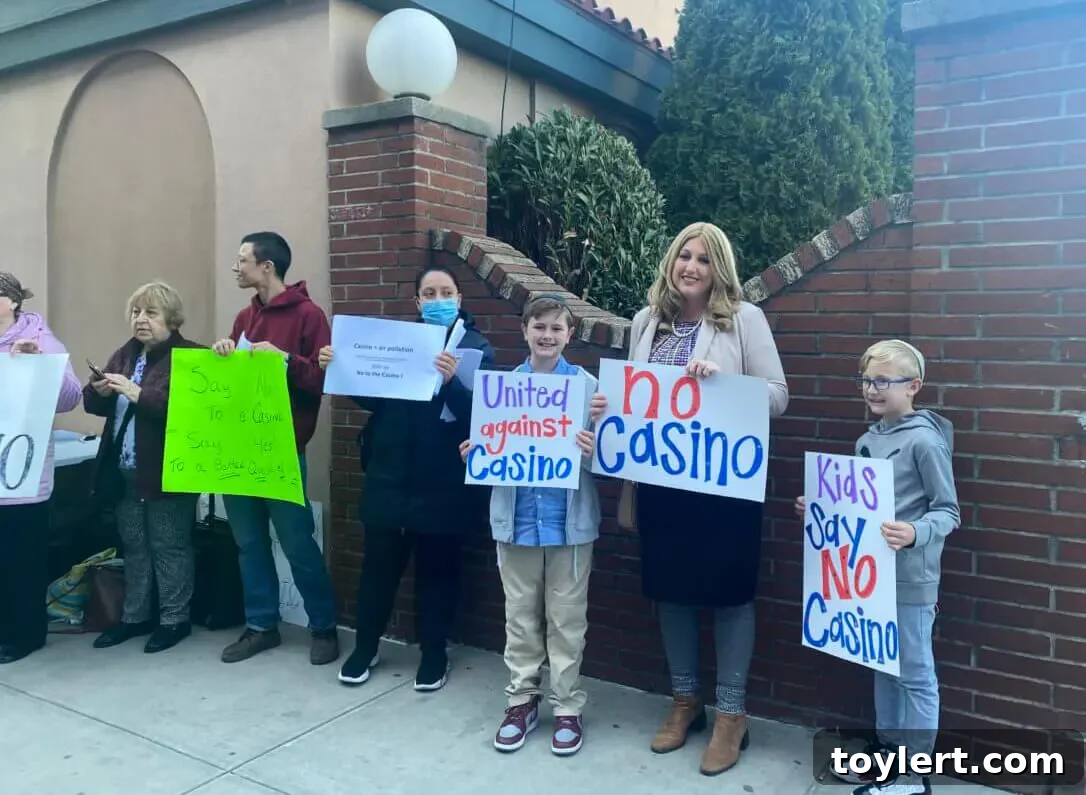
Coney Island’s Future at Stake: Residents Engage in Heated Casino Debate
The vibrant shores of Coney Island are once again at the heart of a spirited public debate, this time surrounding the ambitious proposal for a new casino development. On April 19, a highly anticipated open forum drew a diverse crowd of residents eager to directly engage with the casino development team. This pivotal meeting served as a crucial platform for community members to voice their perspectives, hopes, and significant concerns about a project that promises to profoundly reshape the iconic Brooklyn neighborhood.
Community Voices Take Center Stage: An Open Forum for Dialogue
The April 19 forum underscored the importance of grassroots engagement in major urban development projects. Organized with meticulous care, the event aimed to foster a transparent and inclusive dialogue. Lucy Diaz, the esteemed chairperson of Community Board 13, played a pivotal role in planning and facilitating this vital gathering. Her leadership ensured that the community board’s commitment to hearing all viewpoints was front and center.
Speaking to Brooklyn Paper, Diaz articulated the core objective of the forum: “The goal and the vision was more to hear the residents speak. It was for them to give their input on why they did or did not want the casino.” This statement highlighted the board’s dedication to creating an environment where every voice, whether in favor or opposition, could be heard without prejudice. The structure of the event was specifically designed to allow residents to present their arguments, ask direct questions, and convey the true sentiment of the community to the developers.
A Spectrum of Opinions: Hopes for Growth and Fears of Change
The discussion at the forum was naturally robust, reflecting the complex array of factors at play. Residents presented a broad spectrum of opinions, each rooted in their personal experiences and vision for Coney Island’s future. Supporters of the casino project often highlighted the potential for significant economic revitalization, pointing to job creation and increased tourism as key benefits that could breathe new life into the area. They envision a modern entertainment hub that complements Coney Island’s existing attractions, drawing more visitors and investment.
Conversely, those opposing the development raised compelling concerns about the potential negative impacts on the neighborhood’s unique character and quality of life. Issues such as increased traffic congestion, potential rises in crime rates, the strain on local infrastructure, and the social implications of problem gambling were frequently cited. Many expressed fears that a large-scale casino could fundamentally alter the family-friendly atmosphere that has long defined Coney Island, overshadowing its historic charm and existing amusements.
Economic Promises vs. Social Concerns: Unpacking the Coney Island Casino Debate
The proposed Coney Island casino project stands at a fascinating intersection of economic opportunity and profound social responsibility. Proponents often paint a picture of unprecedented economic uplift, citing projections for thousands of new jobs – not just in the casino itself, but also in supporting industries like hospitality, retail, and construction. The promise of significant tax revenues for local and state governments is another powerful draw, potentially funding essential public services and infrastructure improvements in a district that could greatly benefit from renewed investment. Furthermore, a major entertainment complex could elevate Coney Island’s status as a year-round destination, moving beyond its traditional seasonal appeal and attracting a wider demographic of tourists.
However, the allure of economic prosperity is tempered by a healthy dose of skepticism and genuine concern from many residents. The specter of increased traffic gridlock in an already bustling area is a major point of contention, threatening to overwhelm local streets and commuting patterns. Worries about a potential uptick in petty crime and public safety issues, often associated with large entertainment venues, also resonate deeply within the community. Beyond these practical concerns, many residents cherish Coney Island’s unique, often nostalgic, identity and fear that a corporate casino could erode its distinct charm, replacing it with a more generic, commercialized landscape. The potential for gambling addiction to impact vulnerable populations within the community is another serious ethical consideration that cannot be overlooked.
Preserving the Spirit of Coney Island Amidst Development
A recurring theme throughout the discussions, both at the forum and in broader community conversations, is the imperative to preserve the unique spirit and character of Coney Island. For generations, this iconic destination has been synonymous with nostalgic amusement parks, the boardwalk, the beach, and a vibrant, eclectic culture. Many residents worry that a large-scale casino development might overshadow these cherished elements, fundamentally altering the very essence of what makes Coney Island special. The challenge lies in finding a balance between modernization and maintaining the historical and cultural integrity that residents and visitors alike hold dear. Any development, they argue, must be thoughtfully integrated to enhance rather than diminish the existing fabric of the community, ensuring that Coney Island remains a place of joy, history, and wonder for future generations.
The Developer’s Vision and the Path Forward
Members of the casino development team were present at the April 19 forum, tasked with the unenviable but crucial role of presenting their vision and directly addressing the community’s myriad questions and criticisms. Their presentations typically focus on the architectural plans, proposed amenities, job creation figures, and mitigation strategies for potential negative impacts. While specific details of their proposals often vary, the general outline involves a state-of-the-art gaming facility complemented by entertainment venues, restaurants, and potentially hotel accommodations, all designed to attract a broad clientele. The developers aim to convince the community that their project will be a net positive, contributing significantly to the local economy and urban landscape without compromising Coney Island’s cherished identity.
However, the road to approval for such a high-profile project is complex and multi-faceted. It involves navigating intricate regulatory processes, securing necessary licenses, and, perhaps most importantly, gaining the support, or at least understanding, of the local community. The forum represented just one step in a prolonged engagement process, which typically includes further public hearings, environmental impact assessments, and negotiations with local stakeholders. The success of the project hinges not only on its economic viability but also on its ability to genuinely address community concerns and demonstrate a commitment to being a responsible corporate neighbor.
The Road Ahead: Continued Dialogue and Informed Decision-Making
The April 19 community forum was more than just a meeting; it was a testament to the democratic process at work, highlighting the essential role of public input in shaping urban development. As the debate around the Coney Island casino proposal continues, the insights and sentiments shared by residents will undoubtedly play a critical role in informing future decisions by Community Board 13 and other governmental bodies. The path forward for Coney Island is likely to involve a series of ongoing dialogues, extensive studies, and careful consideration of all potential outcomes.
Ultimately, the decision to approve or reject the casino will rest on a comprehensive evaluation that weighs the projected economic benefits against potential social and environmental costs. It will require a delicate balance to ensure that any development aligns with the long-term vision for Coney Island – one that ideally honors its rich history while embracing opportunities for sustainable growth. The community’s active participation remains paramount in ensuring that any final outcome truly reflects the best interests of its residents and preserves the beloved character of this unique Brooklyn landmark.