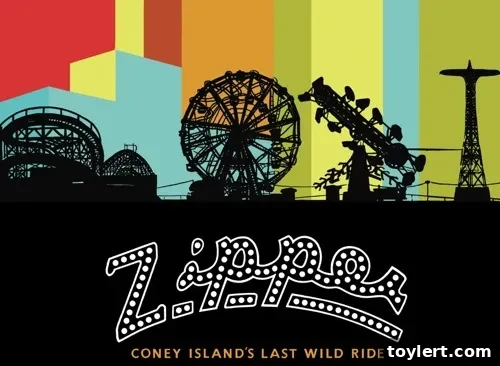
The Battle for Coney Island: A Deep Dive into the “Zipper” Documentary and Its Enduring Legacy
Coney Island, a name synonymous with quintessential American amusement and vibrant history, has long been a battleground where nostalgia clashes with progress. At the heart of one such pivotal conflict lies the iconic Zipper ride, a symbol of the old guard, and the subject of the compelling documentary film, “Zipper.” This critically acclaimed film delves into the intense struggle for the soul of Coney Island, chronicling the fight between a beloved ride operator, Eddie Miranda, powerful real estate developers, and the City of New York. Marking its premiere on Saturday, November 10th, at the esteemed School of Visual Arts Theater located at 333 W. 23rd Street in Manhattan, the documentary offers an intimate and insightful look into a saga that encapsulates larger narratives of urban development, community preservation, and the relentless march of time.
Coney Island: A Storied Past and a Changing Horizon
For over a century, Coney Island has captivated imaginations worldwide. From its humble beginnings as a seaside resort in the 19th century, it rapidly evolved into the epicenter of American entertainment, boasting groundbreaking rides, dazzling spectacles, and a vibrant atmosphere unlike anywhere else. It was the birthplace of the hot dog, home to legendary attractions like the Cyclone rollercoaster and the Wonder Wheel, and a cultural melting pot where millions sought escape and excitement. However, like many urban landmarks, Coney Island faced periods of decline, neglect, and the inevitable pressure of modern development. Its unique blend of quirky charm, historic rides, and a slightly gritty authenticity became increasingly vulnerable to those who envisioned a polished, modernized entertainment district.
The allure of Coney Island isn’t just in its rides; it’s in its spirit – a spirit of innovation, accessibility, and unbridled joy that has defined generations. The “battle” isn’t merely about land or profits; it’s about preserving a significant piece of American cultural heritage versus embracing a new vision for economic growth. This clash of ideologies sets the stage for the dramatic events explored in the “Zipper” documentary, highlighting the complex decisions faced by urban planners, developers, and the communities directly impacted. Understanding Coney Island’s deep-rooted history as a people’s playground provides essential context for appreciating the profound implications of its transformation.
The Zipper Ride: A Symbol of Enduring Appeal
Among Coney Island’s pantheon of classic attractions, the Zipper ride held a special place. Introduced in the 1960s by Chance Rides, this unique carnival attraction quickly became a favorite for thrill-seekers with its rotating boom, individual cages that tumble and spin freely, and a reputation for delivering a truly disorienting and exhilarating experience. More than just a ride, the Zipper represented the enduring, often rough-around-the-edges charm that visitors had come to expect from Coney Island. It was a testament to the ingenuity of classic amusement park engineering and a beloved fixture operated by dedicated individuals like Eddie Miranda, whose livelihood and passion were intrinsically tied to its continued operation. For many, the Zipper was a rite of passage, an unforgettable part of their Coney Island experience that evoked a sense of raw, authentic thrill.
The Zipper was more than steel and mechanics; it was a character in Coney Island’s grand narrative. Its potential removal or relocation became symbolic of a larger movement threatening the character of the entire amusement district. For many, losing the Zipper meant losing a piece of what made Coney Island authentically “Coney”—a place where classic, slightly worn but infinitely beloved rides held their ground against newer, more sterile attractions. The ride itself, with its distinct visual profile and thrilling mechanics, serves as a powerful metaphor throughout the documentary for the fight to preserve what is unique and irreplaceable in the face of homogenization and commercialization, standing as a tangible link to a bygone era of amusement.
The Heart of the Conflict: Preservation Versus Progressive Development
The documentary “Zipper” meticulously unpacks the intense struggle that erupted over the fate of Coney Island’s iconic attractions, particularly focusing on the specific battle surrounding the Zipper ride. This was no mere property dispute; it was a high-stakes confrontation involving deeply entrenched interests and conflicting visions for the future of a cultural landmark. On one side stood Eddie Miranda, the seasoned operator of the Zipper, representing the independent ride owners and concessionaires whose families had invested decades of their lives and livelihoods into the fabric of Coney Island. Miranda’s fight was personal, a passionate stand against what he perceived as corporate encroachment threatening the soul of the amusement park, a struggle for the very survival of his small business and a way of life.
Arrayed against him were influential real estate developers, notably Thor Equities, who purchased vast tracts of land in Coney Island with ambitious plans for a massive, year-round entertainment complex. Their vision promised revitalized infrastructure, modern attractions, and significant economic investment, aiming to transform Coney Island into a sleek, profitable destination akin to other urban entertainment centers. The developers argued for the necessity of change to ensure the long-term viability and competitiveness of the area, believing that a complete overhaul was the only way to attract new visitors and capital, and to elevate Coney Island’s status on the global tourism map. Their proposals often emphasized a more uniform, curated experience, a stark contrast to the existing eclectic charm.
Caught in the middle was the City of New York, tasked with balancing economic development goals, community interests, and the preservation of historic sites. The city’s involvement added another layer of complexity, as it sought to mediate between the powerful developers and the vocal local community, all while navigating its own urban planning objectives and the broader economic health of Brooklyn. The ensuing struggle was characterized by passionate protests, legal maneuvers, political wrangling, and a profound sense of urgency from all parties involved. The documentary skillfully captures the raw emotion and strategic chess moves from all sides, offering viewers a comprehensive understanding of the forces at play. This complex dynamic illustrates a common challenge in rapidly evolving urban landscapes: how to foster growth and modernization without erasing the very character and history that made a place beloved in the first instance, a dilemma many cities face today.
“Zipper”: A Glimpse Behind the Scenes of Urban Transformation
The “Zipper” documentary transcends a simple recounting of events; it serves as a potent piece of social commentary, using the Coney Island struggle as a microcosm for broader themes of gentrification, community displacement, and the fight for cultural heritage in urban environments worldwide. Through compelling interviews with Eddie Miranda, developers, city officials, historians, and local residents, the film constructs a multi-faceted narrative that avoids easy answers. It explores the human cost of large-scale development, giving voice to those often marginalized in such grand schemes, while also acknowledging the arguments for urban renewal and the complexities of economic progress. The documentary’s strength lies in its ability to humanize the often-abstract forces of urban planning and real estate.
The filmmakers’ objective was clearly not just to document a battle but to provoke thought about the nature of progress and preservation. By focusing on the emotional resonance of the Zipper ride and its operator, the documentary personalizes an often abstract conflict, making it relatable to anyone who has witnessed beloved local institutions give way to new constructions or seen their communities change irrevocably. The film’s narrative technique ensures that audiences connect with the plight of the small business owner and the broader community, highlighting how individual lives are impacted by corporate decisions. “Zipper” is a testament to the power of independent cinema to illuminate complex societal issues, offering a platform for diverse perspectives and fostering critical discussion about the future of our cities, our cultural landmarks, and the legacy we choose to preserve.
The Enduring Legacy and Future of Coney Island
The battle for Coney Island, as vividly depicted in “Zipper,” ultimately led to significant changes in the landscape. While some historic elements were preserved and new attractions have emerged, the area underwent a substantial transformation. The documentary serves as a crucial historical record, reminding us of the specific challenges faced by a community striving to protect its identity against the tide of large-scale commercial interests. The lessons learned from Coney Island’s struggle resonate far beyond its sandy shores, offering valuable insights into urban planning, community advocacy, and the delicate balance between preserving heritage and fostering economic vitality. The outcome, a blend of old and new, sparks ongoing debate about whether the true spirit of Coney Island has been maintained or irrevocably altered.
Today, Coney Island continues to evolve, striving to find a harmonious balance between its legendary past and its dynamic future. The spirit of independent amusement endures in pockets, particularly around the historically protected attractions like the Cyclone and Wonder Wheel, while modern developments aim to draw new generations of visitors with contemporary entertainment options. The “Zipper” documentary encourages viewers to consider what truly defines a place and what price is paid when that definition shifts. It asks us to ponder the responsibility of developers, city planners, and citizens in shaping the urban fabric, urging a thoughtful approach to growth that respects history, embraces community, and fosters sustainable, authentic development, ensuring that the unique magic of places like Coney Island is not lost to the relentless march of progress.
Don’t Miss the Premiere: A Must-Watch Documentary
For anyone interested in urban history, the politics of development, or simply the captivating story of a community fighting for its soul, the “Zipper” documentary is an essential watch. Its premiere on Saturday, November 10th, at the School of Visual Arts Theater (333 W. 23rd Street, Manhattan), provides a timely opportunity to engage with these critical themes and witness a pivotal moment in New York City’s cultural history. This film is more than a historical account; it’s a powerful narrative that challenges our perceptions of progress and invites us to reflect on the places we cherish and the forces that continually reshape them. Secure your chance to witness this significant piece of independent cinema and gain a deeper understanding of the vibrant, complex legacy of Coney Island, a true American icon.