Cobble Hill’s Congress Street Transformation: A Deep Dive into Historic Development
The picturesque streets of Cobble Hill, Brooklyn, are renowned for their brownstones, tree-lined avenues, and an enduring sense of historic charm. This cherished neighborhood, a designated Historic District, frequently finds itself at the intersection of preservation efforts and modern development. A particularly significant project on Congress Street recently captured the attention of local residents and urban planners alike, promising a notable transformation to a prominent corner of the district.
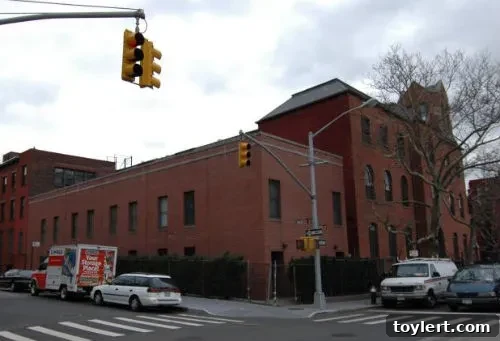
At the heart of this discussion is a comprehensive plan for parcels spanning 110-128 Congress Street, located at the southeast corner of Congress and Hicks Streets. This ambitious project involves both the construction of new townhouse buildings and the meticulous restoration of existing historic structures, collectively referred to by many as the “118 Congress Street” development. The sheer scale and sensitive nature of this undertaking within a protected historic district necessitate careful review and community dialogue, as highlighted by its recent presentation to Community Board 6’s Land Use Meeting.
A Strategic Acquisition: The Genesis of the Congress Street Project
From Diocese to Developer: A Significant Real Estate Transaction
The journey of the Congress Street development began with a significant real estate transaction in March 2012. A prominent developer, known for the expansive 184 Kent Avenue project in Williamsburg, strategically acquired this valuable assemblage of parcels for a substantial $6.6 million. This acquisition marked a pivotal moment for the site, which previously belonged to the Roman Catholic Diocese of Brooklyn. The sale of such institutional properties often signals a new chapter for prime urban land, opening doors for developers to reimagine and reintroduce these spaces to the contemporary real estate market.
The developer’s interest in this specific location underscores Cobble Hill’s enduring appeal. With its charming residential character, proximity to Manhattan, excellent schools, and vibrant local amenities, Cobble Hill consistently ranks among Brooklyn’s most desirable neighborhoods. The decision by a developer with a track record of large-scale projects, like 184 Kent, to invest heavily in a historic district such as Cobble Hill speaks volumes about the perceived value and potential for high-end residential offerings in this unique locale.
The Scope of the Assemblage: 18,000 Square Feet of Potential
The combined footprint of the acquired parcels measures an impressive 18,000 square feet. This substantial acreage in a densely populated historic district presents a rare opportunity for a comprehensive development vision. Such a large contiguous plot allows for a unified architectural approach, whether through new construction or thoughtful restoration, ensuring a cohesive aesthetic that can significantly enhance the streetscape. The scale of this assemblage also implies a development of considerable magnitude, likely involving multiple luxury residential units that would undoubtedly attract discerning buyers seeking a blend of historic charm and modern comfort.
The strategic merging of several plots under single ownership is a common tactic in urban development, enabling developers to overcome the limitations of smaller, individual lots and realize grander visions. For Cobble Hill, an area where such expansive development opportunities are scarce, the 18,000 square foot acquisition on Congress Street represents a truly exceptional canvas for architectural and community-focused endeavors.
Navigating the Waters of Historic Preservation in New York City
The Role of the Landmarks Preservation Commission (LPC)
Any significant alteration or new construction within a designated historic district in New York City falls under the strict purview of the Landmarks Preservation Commission (LPC). Established to protect the city’s architectural, historical, and cultural heritage, the LPC is responsible for reviewing all proposed changes to landmarked properties and within historic districts. For the Congress Street project, the developer submitted a Certificate of Appropriateness application, a critical step in gaining approval for their plans.
This certificate ensures that any proposed work is “appropriate” to the historic character of the district and individual landmark. The LPC’s review process is rigorous, often involving detailed architectural drawings, material samples, and public hearings. Developers must demonstrate that new construction respects the scale, massing, materials, and architectural style of its historic neighbors, while restoration work must adhere to preservation best practices, maintaining the integrity of original features. This meticulous oversight is what safeguards the unique aesthetic and historical narrative of places like Cobble Hill, preventing incongruous development that could erode the district’s character.
Community Board 6: The Local Voice in Land Use Decisions
Before reaching the LPC for a final decision, development proposals like the Congress Street project are first reviewed by the local Community Board. Community Board 6, serving areas including Cobble Hill, plays a vital advisory role in land use and zoning matters. Their Land Use Meetings provide a crucial platform for developers to present their plans to the community, and for residents to voice their concerns, ask questions, and offer feedback. This democratic process ensures that local perspectives are considered before major decisions are made, fostering transparency and accountability in urban planning.
The presentation and review of the Certificate of Appropriateness application at the Community Board 6 meeting tonight (at 6 pm, 339 Hicks Street, Rooms C & D) underscores the importance of public engagement. It allows residents to understand the detailed plans, evaluate their potential impact on neighborhood aesthetics, traffic, and services, and contribute to the decision-making process. The community’s input, while advisory, carries significant weight and can often influence modifications to development plans or shape the LPC’s ultimate determination.
Architectural Vision: Blending New Construction with Historic Character
Designing New Townhouses at 110-120 Congress Street
The proposal for new townhouse buildings at 110-120 Congress Street presents a fascinating architectural challenge. In a historic district, new construction is not merely about erecting modern structures; it’s about creating buildings that resonate with the existing architectural fabric while meeting contemporary standards of living. The developer’s intention, as is often hoped, is that these new buildings will mirror or at least harmonize with the structures being restored nearby. This means careful consideration of architectural elements such as facade materials (e.g., brownstone, brick), window patterns, rooflines, and overall massing.
Achieving this balance requires skilled architects who understand the nuances of period styles and the requirements of the LPC. The goal is often to create designs that are clearly new but feel as if they have always been part of the streetscape, respecting the historic rhythm and scale of Cobble Hill. This approach not only preserves the district’s visual integrity but also enhances its value by ensuring a cohesive and attractive environment for its residents.
The Art and Science of Restoration at 122-128 Congress Street
Equally critical to the project is the restoration of the existing buildings at 122-128 Congress Street. Historic restoration is a specialized field that goes beyond simple renovation. It involves a deep understanding of historical building techniques, materials, and the specific architectural style of the structures. The objective is to bring these buildings back to their original splendor, repairing or replicating lost details, stabilizing structural elements, and upgrading infrastructure while preserving their historic character.
Restoration projects in Cobble Hill often involve painstaking work on original brownstone facades, ornate cornices, wooden window frames, and stoops. This commitment to authenticity not only retains the aesthetic appeal of the neighborhood but also contributes to its historical narrative, ensuring that future generations can appreciate the craftsmanship and design of previous eras. The successful restoration of these townhouses will serve as a testament to the community’s dedication to preserving its unique heritage while allowing for thoughtful evolution.
Cobble Hill’s Future: Development, Preservation, and Community
A Snapshot of Brooklyn’s Evolving Real Estate Landscape
The Congress Street project is more than just a local development; it is a microcosm of larger trends in Brooklyn’s real estate market. As demand for housing in New York City continues to soar, historic neighborhoods like Cobble Hill face increasing pressure for development. The high acquisition price of $6.6 million in 2012 reflects the intense competition for prime properties, particularly those with significant development potential. This trend often leads to a rise in property values, attracting new residents and businesses, but also raises concerns about affordability and the potential alteration of neighborhood character.
Projects that blend new construction with historic preservation, like the one on Congress Street, represent an attempt to navigate these complex dynamics. They aim to introduce new housing stock and modern amenities while respecting the historical context that makes these neighborhoods so desirable in the first place. The success of such ventures often hinges on their ability to achieve this delicate balance, satisfying both market demands and community expectations.
The Enduring Importance of Community Engagement
The dialogue surrounding developments like 110-128 Congress Street highlights the enduring importance of active community engagement. Residents of historic districts are often deeply invested in the preservation of their surroundings and keen to participate in decisions that affect their neighborhood’s future. The Community Board meeting serves as an essential forum for this interaction, allowing residents to gain insight into detailed plans and exert influence over the trajectory of development in their area.
Ultimately, the transformation of 110-128 Congress Street will shape a significant corner of Cobble Hill. Whether the proposed new buildings perfectly mirror those being restored, or introduce a subtly modern yet harmonious interpretation, the outcome will be a testament to the collaborative process involving developers, preservationists, and the community. This project is a living example of how Brooklyn continues to evolve, balancing its rich past with the demands of its dynamic future, all while striving to maintain the unique charm that defines its most beloved neighborhoods.
For those interested in the details and the ongoing discussions, staying informed through local news and community meetings is crucial. Such projects are not just about bricks and mortar; they are about the evolving identity of a community.
Related Resources:
184 Kent Developer Makes Big Buy in Cobble Hill [Brownstoner]
View on Google Maps
Photo via PropertyShark