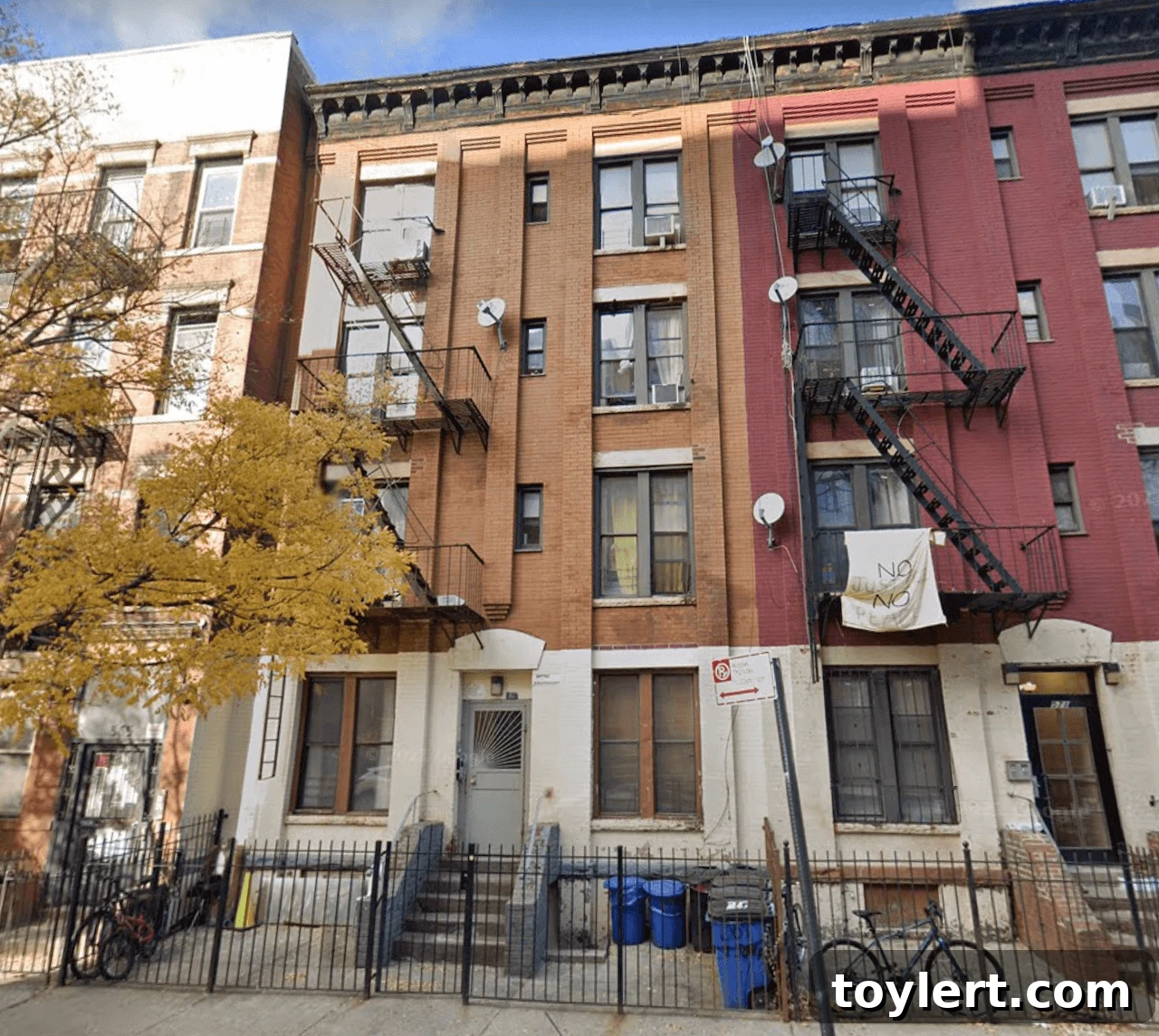
Brooklyn Housing Court Ousts Landlord of 567 St. John’s Place Amidst Tenant Harassment and Hundreds of Violations
In a landmark decision hailed by tenant advocates, a Brooklyn Housing Court judge has ordered the removal of Gerald Tema, the owner of the eight-unit building located at 567 St. John’s Place in Crown Heights, from its management. The ruling comes after a protracted struggle by residents who cited Tema’s consistent failure to address hundreds of critical safety violations and accusations of a pattern of harassment and intimidation against tenants. This significant victory for the residents, spearheaded by the Crown Heights Tenants Union, underscores the growing momentum for tenant rights and landlord accountability across New York City.
The decision mandates Tema’s removal by July 14, paving the way for the appointment of a court-mandated administrator who will oversee the property’s management, ensuring that long-standing issues are finally resolved and safe living conditions are restored. This decisive action serves as a powerful message to landlords that neglect and mistreatment of tenants will not be tolerated by the judicial system.
A Long-Standing Battle: Tenants Demand Accountability
For years, the residents of 567 St. John’s Place endured what they described as deplorable living conditions and a hostile environment. Complaints against Gerald Tema, both as owner and manager, date back extensively, painting a grim picture of neglect. Tenants consistently reported a litany of unresolved issues ranging from essential service disruptions to serious structural problems, all contributing to an unsafe and unhealthy living situation. The building, a critical piece of Crown Heights’ residential fabric, had become a symbol of landlord indifference.
The alleged harassment tactics employed by Tema further exacerbated the difficult living conditions. Tenants described various forms of intimidation, which reportedly included unwarranted eviction threats, failure to provide necessary repairs, and creating an atmosphere designed to pressure long-term residents to leave. These actions, tenants claimed, were a deliberate strategy to empty units and potentially re-rent them at higher market rates, a common tactic in rapidly gentrifying neighborhoods like Crown Heights. Such allegations highlight the pervasive challenges many New York City tenants face in securing safe, stable, and dignified housing.
The Power of Collective Action: Filing a 7A Complaint
Faced with persistent unresponsiveness and a deteriorating quality of life, tenants in six of the eight units took a decisive step: they filed a 7A complaint against Gerald Tema in June 2021. This legal recourse, formally known as an Article 7-A proceeding under New York State’s Real Property Actions and Proceedings Law, is a potent tool available to tenants when landlords fail to maintain their properties. It allows for the court to appoint an independent administrator to manage the building, taking control away from a negligent landlord, especially when dangerous conditions are allowed to persist for more than five days.
Understanding the 7A Complaint Process
The 7A complaint process is designed to protect tenants in dire situations. Here’s a breakdown of its key components:
- Initiation: Tenants, typically a third or more of the residents in a building, petition the Housing Court, demonstrating that dangerous or hazardous conditions exist that a landlord has failed to remedy despite proper notice.
- Evidence Gathering: Extensive documentation is crucial. This includes records of complaints to the landlord, official violation notices from city agencies (like the Department of Housing Preservation and Development, HPD), photographs, videos, and witness testimonies detailing the unsafe conditions.
- Court Hearing: Both the tenants and the landlord present their cases. The court evaluates the evidence to determine if the conditions indeed pose a serious threat to life, health, or safety, and if the landlord has been delinquent in addressing them.
- Appointment of Administrator: If the court finds in favor of the tenants, it can appoint a 7A Administrator. This administrator is usually a qualified individual or non-profit organization with expertise in property management. They are empowered to collect rent, manage the building’s finances, oversee necessary repairs, and bring the building up to code. The landlord is typically divested of their management authority.
- Oversight and Accountability: The 7A Administrator operates under court supervision, providing regular reports on the building’s condition and financial status. Their primary goal is to ensure the building becomes safe and habitable for residents, with costs covered by the collected rent.
For the residents of 567 St. John’s Place, the 7A complaint represented their last resort to reclaim their homes from a landlord who had, in their view, abdicated his responsibilities. It required significant courage and sustained effort from the tenants to navigate the legal system, gather evidence, and stand united against their building owner.
The Role of the Crown Heights Tenants Union
The Crown Heights Tenants Union (CHTU) played a pivotal role in empowering and organizing the residents throughout this arduous process. As a grassroots organization dedicated to fighting for tenant rights and affordable housing in Brooklyn, CHTU provided invaluable support, resources, and legal guidance to the tenants of 567 St. John’s Place. Their involvement highlights the critical function tenant unions serve in addressing systemic housing issues.
From organizing meetings and facilitating communication among residents to connecting them with legal aid and helping them document violations, CHTU’s advocacy was instrumental. Their experienced organizers helped demystify the complex legal landscape of housing court, ensuring that tenants understood their rights and the strategic steps required to achieve a favorable outcome. This collective effort not only strengthened the tenants’ case but also built a stronger, more resilient community within the building.
The CHTU celebrated the victory, sharing the news on their social media, an Instagram post confirming the housing court’s ruling in the tenants’ favor. This public announcement underscored the transparency and commitment of the union to its members and the broader community.
A New Chapter: Hope for 567 St. John’s Place
The court’s ruling, requiring Gerald Tema’s removal by July 14 and the immediate appointment of a new administrator, marks the beginning of a new chapter for the residents of 567 St. John’s Place. The administrator will be tasked with the daunting but essential job of assessing the building’s current state, prioritizing critical repairs, managing finances transparently, and restoring essential services that have long been neglected. This will involve working closely with city agencies to clear outstanding violations and implementing a comprehensive plan for ongoing maintenance.
For the tenants, this decision offers not just relief but renewed hope for a safe and stable home. They can now look forward to living in a building where their complaints are heard, and their basic rights as renters are respected. The appointment of an independent administrator ensures that the focus will shift entirely to the well-being of the residents and the proper upkeep of the property, free from the alleged negligence and harassment that characterized Tema’s management.
Broader Implications for Tenant Rights in Brooklyn and NYC
This ruling is more than just a victory for one building; it sets an important precedent for tenant rights across Brooklyn and the wider New York City area. It sends a strong message that Housing Courts are prepared to intervene decisively when landlords fail to meet their legal and ethical obligations. In a city grappling with an ongoing housing crisis, where tenants often feel powerless against exploitative landlords, such judgments are crucial for empowering communities and upholding the principles of housing justice.
The case of 567 St. John’s Place highlights the importance of robust tenant protection laws, accessible legal avenues like the 7A complaint, and the indispensable role of tenant advocacy groups. It demonstrates that collective action, persistent organizing, and a commitment to fighting for justice can lead to tangible and transformative outcomes for residents facing severe housing challenges. This decision serves as a beacon of hope, reminding both landlords and tenants that accountability is paramount in the realm of housing and that the fight for safe, affordable, and dignified homes continues.