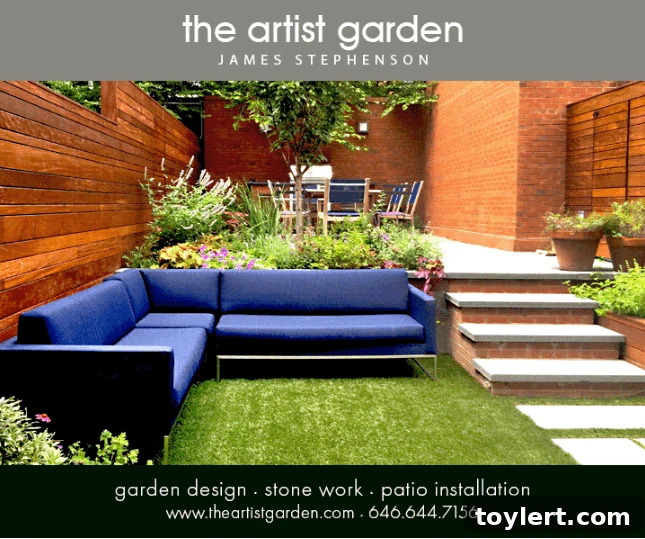
The Artist Garden: Where Creativity Blooms and Nature Inspires
In a world increasingly defined by screens and urban landscapes, there exists a profound yearning for connection with nature and a space where creativity can truly unfurl. This yearning finds its ultimate expression in “The Artist Garden” – a concept that transcends mere landscaping to become a living muse, a dynamic studio, and a sanctuary for the imaginative soul. It is here, amidst the rustling leaves and vibrant blossoms, that the boundaries between art and environment dissolve, allowing for an unparalleled synergy that fuels inspiration and cultivates profound artistic expression.
The Artist Garden is more than just a place; it’s a philosophy. It embraces the idea that nature, in its rawest and most cultivated forms, holds an inexhaustible wellspring of ideas, textures, colors, and forms. For centuries, artists have drawn sustenance from the natural world, transforming fleeting moments of beauty into enduring masterpieces. From Claude Monet’s water lilies at Giverny to Frida Kahlo’s vibrant Casa Azul gardens, these spaces have not only provided solace but have actively shaped the artistic output of their inhabitants. Today, The Artist Garden extends this legacy, inviting creators across all disciplines to immerse themselves in an environment specifically designed to stimulate thought, soothe the spirit, and unleash unbridled creativity.
The Enduring Bond Between Art and Nature
The intricate dance between art and nature is as old as humanity itself. Early cave paintings depicted the majesty of the animal kingdom, while ancient civilizations adorned their temples with motifs inspired by flora and fauna. The Renaissance saw a resurgence of landscapes and botanical studies, culminating in the breathtaking detail of Dutch Golden Age still life paintings. Later, the Impressionists moved their easels outdoors, capturing the ephemeral quality of light and atmosphere in gardens and fields. This deep-rooted connection stems from nature’s inherent ability to awaken our senses, evoke emotions, and present endless variations of pattern, structure, and chaos.
For an artist, a garden offers a constantly evolving canvas. The seasonal changes, the shifting light throughout the day, the diverse textures of bark and petal, the spectrum of colors from earthy tones to vibrant hues – all these elements provide an infinite palette of inspiration. Beyond the visual, the sensory experience of a garden—the scent of blossoms, the hum of insects, the gentle rustle of leaves—can transport an artist into a state of heightened awareness, fostering a unique form of mindfulness that is incredibly conducive to creative flow. It’s a space where observation becomes meditation, and contemplation leads to creation.
Cultivating Your Creative Oasis: Elements of The Artist Garden
Creating an Artist Garden is about intentional design, focusing on elements that inspire and facilitate artistic work. It’s a deliberate act of shaping a space that speaks to the creative soul. Here are key components:
- Inspiration at Every Turn: An Artist Garden prioritizes diversity in plant life not just for aesthetic beauty, but for its artistic utility. Consider planting species with striking forms, unusual leaf textures, or a specific color palette that resonates with your artistic vision. Architectural plants like succulents or ornamental grasses can provide dramatic lines, while a riot of wild flowers might inspire abstract works. The interplay of sunlight filtering through foliage, casting intricate shadows, becomes a constantly shifting subject for painters and photographers.
- The Outdoor Studio: A truly effective Artist Garden integrates designated spots for artistic practice. This might be a sheltered nook for sketching, a robust table for sculpting, or a well-lit area for plein-air painting. Essential considerations include comfortable seating, protection from the elements (a pergola or a large umbrella), and proximity to water sources for cleaning brushes or working with clay. The aim is to make the act of creating outdoors as seamless and enjoyable as possible, reducing barriers to spontaneous artistic urges.
- Materials from the Earth: The garden itself can be a source of artistic materials. Leaves can be used for prints, twigs and branches for sculpture, petals for natural dyes, or stones for painting. This connection to the earth through materials deepens the artistic experience and grounds the work in its natural origins. It encourages experimentation with organic forms and sustainable practices, fostering an appreciation for the raw beauty of natural elements.
- Mindfulness and Muse: Beyond providing subjects, the garden acts as a powerful antidote to creative block and mental fatigue. The rhythmic, repetitive tasks of gardening—weeding, watering, pruning—can be deeply meditative, allowing the mind to clear and new ideas to emerge. The tranquility of a garden encourages introspection, offering a quiet space for artists to process thoughts, refine concepts, and find clarity amidst the chaos of daily life. It’s a therapeutic environment where the muse feels truly at home.
Designing Your Sanctuary: Practical Steps for an Artist’s Garden
Transforming a patch of land into an inspiring Artist Garden requires thoughtful planning and an artistic eye. Here’s how to approach it:
- Strategic Planting for Artistic Utility: Select plants not only for their beauty but for how they can serve your art. If you’re a botanical illustrator, focus on diverse floral structures and varying growth habits. For abstract painters, consider blocks of color or textural contrasts. Embrace native plants that thrive in your local climate, ensuring a sustainable and vibrant ecosystem that also attracts wildlife, adding another layer of dynamic inspiration. Think about seasonal interest; a garden that offers beauty and inspiration year-round provides continuous creative fodder.
- Integrating Art into the Landscape: Your garden isn’t just a place to grow things; it’s a gallery. Incorporate sculptures, mosaics, painted rocks, wind chimes, or even small, weatherproof canvases directly into the landscape. These pieces can serve as focal points, whimsical surprises, or meditations on the interaction between human creation and natural growth. Consider how they change with the light and seasons, becoming dynamic elements within your living artwork.
- Harnessing Light and Shadow Play: Light is a painter’s greatest tool, and in the garden, it’s constantly changing. Design your garden to take advantage of different qualities of light throughout the day. Create areas of dappled shade with pergolas or trellises, offering respite and dramatic lighting for subjects. Open sunny spots are perfect for vibrant botanical studies. Observe how shadows lengthen and shorten, creating ever-changing compositions and deepening the sense of mystery and depth.
- Creating Flow and Focal Points: Just as in a painting, good garden design includes a sense of flow and carefully placed focal points. Winding paths invite exploration, leading the eye to a secluded bench, a captivating sculpture, or a particularly striking plant. Water features can add sensory depth with their sound and reflective qualities. These elements guide the visitor’s experience, mimicking the way an artist directs a viewer’s gaze through a composition.
- Embracing Sustainable Practices: A healthy garden is an inspiring garden. Employ eco-friendly gardening techniques such as composting, rainwater harvesting, and avoiding harmful pesticides. A sustainable Artist Garden not only protects the environment but also creates a more vibrant and natural habitat, attracting beneficial insects and birds, which in turn provide more dynamic subjects for observation and art.
Beyond the Canvas: Diverse Art Forms in The Artist Garden
The Artist Garden serves as a fertile ground for nearly every artistic discipline:
- Visual Arts: Painters find endless subjects in botanical illustrations, landscapes, still lifes of harvested garden elements, and abstract interpretations of garden moods. Photographers capture macro details, sweeping vistas, and the fleeting beauty of light. Sculptors create works from natural materials or place pieces that interact harmoniously with the garden’s environment.
- Literary Arts: Poets find rhythm in the rustling leaves and metaphors in the cycle of growth and decay. Writers discover narratives in the hidden corners of the garden, using its atmosphere to inspire character, plot, or descriptive prose. Journaling in a garden can be a profound practice of observation and self-reflection.
- Performance Art: The garden can become a natural stage for dancers, musicians, or theatrical performances. Its organic architecture offers unique settings for site-specific works that engage with the environment.
- Crafts and Textiles: Artisans can create floral arrangements, press flowers, experiment with natural dyeing using plant extracts, or weave materials gathered from the garden. These crafts connect directly to the tactile beauty of nature.
The Community of Creativity: Connecting Through The Artist Garden
The concept of The Artist Garden can extend beyond individual practice to foster a vibrant community. Imagine workshops held amidst the blooms, where artists can learn new techniques inspired by their surroundings. Envision open garden days where creators share their unique artistic havens with the public, sparking dialogue and appreciation. Online platforms, like the one found at theartistgarden.com, can connect artists globally, allowing them to share ideas, display garden-inspired works, and discuss best practices for cultivating creative outdoor spaces. This communal aspect transforms the solitary act of creation into a shared celebration of art and nature.
Whether it’s a sprawling botanical haven or a modest balcony filled with potted muses, these shared spaces amplify the impact of an Artist Garden, creating a network of inspiration and support that transcends geographical boundaries. It’s a testament to the idea that creativity thrives not just in isolation but also in connection, much like a garden flourishes with proper care and interconnected elements.
Conclusion: Let Your Creativity Bloom
The Artist Garden is an invitation to redefine your creative space, to cultivate not just plants, but ideas, inspiration, and inner peace. By intentionally blending the restorative power of nature with the boundless potential of artistic expression, you create a sanctuary that continuously feeds your soul and fuels your craft. It’s a place where every petal holds a story, every shadow suggests a form, and every breeze whispers a new idea.
Embrace the transformative journey of creating your own Artist Garden, whether it’s a dedicated outdoor studio, a series of inspiring planters, or simply a contemplative nook. Allow the natural world to be your guide, your muse, and your partner in creation. Explore the possibilities, connect with a community that shares this passion, and let your creativity bloom in the most beautiful and natural way possible. Visit theartistgarden.com to delve deeper into this enriching world and begin cultivating your own artistic haven today.