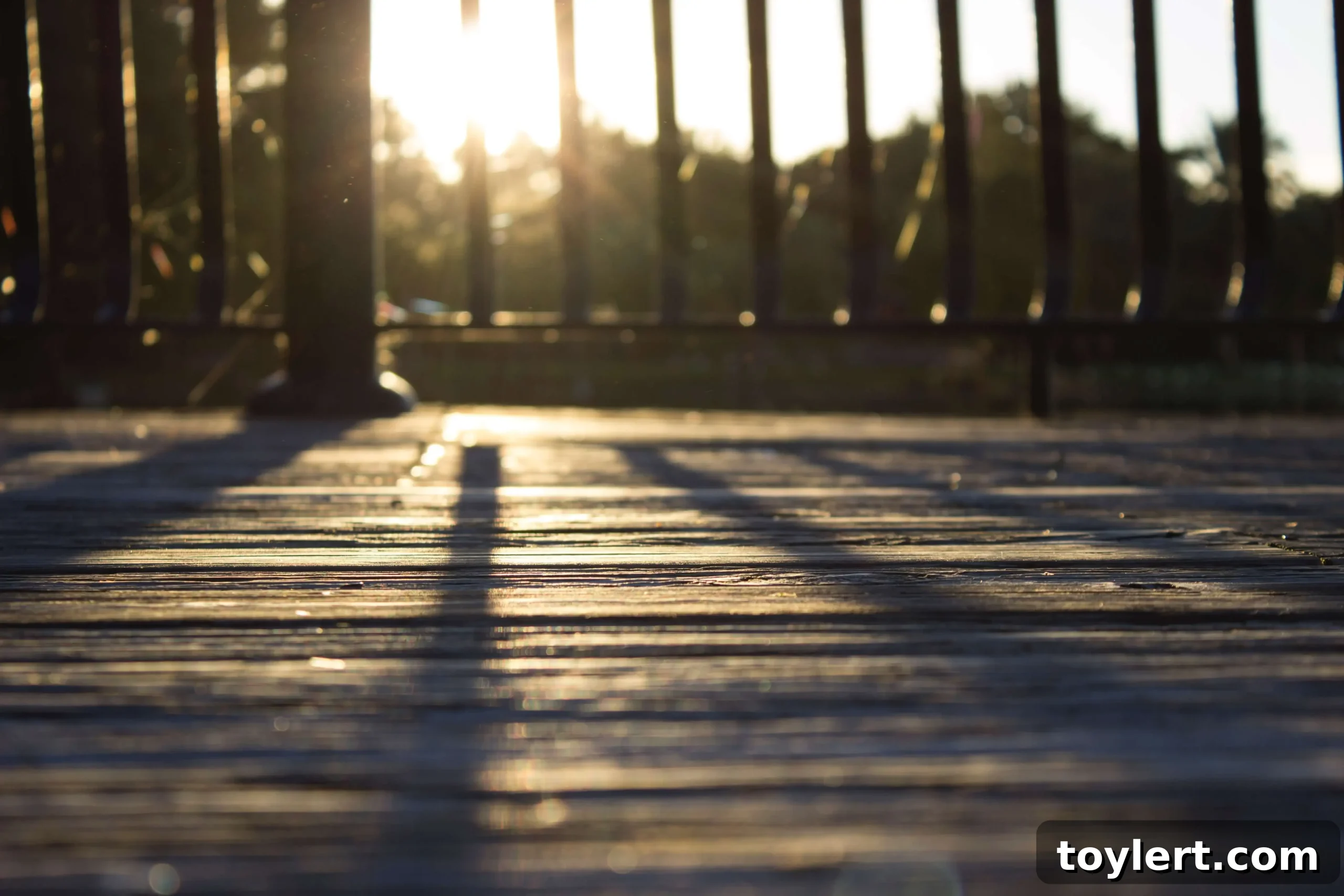
Transforming Your Brownstone Backyard: Expert Deck Design from the Parlor Floor
For brownstone homeowners, the allure of extending living spaces outdoors is undeniable. A beautifully designed deck can dramatically enhance a property, offering a private oasis in the heart of the city. However, the unique architectural constraints of brownstones, coupled with the desire to create distinct outdoor zones for both personal use and tenant accommodation, present a fascinating challenge. Extending a deck from the parlor floor requires careful planning, innovative design, and a deep understanding of structural and aesthetic considerations. This comprehensive guide will explore proven design elements, essential pre-project knowledge, and practical advice to help you embark on your brownstone deck project with confidence, ensuring a result that is both functional and aesthetically pleasing.
Understanding the Unique Challenges of Brownstone Deck Design
Brownstones are characterized by their multi-story structure, often with the main living area (the parlor floor) elevated above street level. This elevation offers distinct advantages, such as privacy and potentially better views, but also introduces complexities for deck construction. The existing architecture, often historic, demands designs that are both complementary and structurally sound. Furthermore, the common need to integrate separate outdoor spaces for tenants living on lower levels adds another layer of design intricacy, requiring thoughtful segregation without sacrificing aesthetic harmony.
Key Considerations for Brownstone Decks
- Architectural Integration: The new deck must visually complement the brownstone’s existing facade, materials, and historical character. This often means carefully selecting materials, finishes, and design details that resonate with the building’s era.
- Structural Integrity: Extending from an existing parlor floor requires robust structural engineering to ensure the deck is safely supported and integrated with the building’s foundation. This is not a project for guesswork.
- Maximizing Limited Space: Urban backyards, especially in brownstones, are often compact. Every inch of the deck and yard needs to be utilized efficiently to create multiple functional zones without feeling cramped.
- Privacy and Separation: Differentiating between homeowner and tenant spaces requires creative solutions for visual and acoustic privacy, while maintaining accessibility for both parties.
- Code and Permitting: Strict building codes, zoning regulations, and potentially historic district reviews are common in urban areas. Navigating these can be a significant part of the project.
Innovative Design Elements for Your Parlor Floor Deck
Successful brownstone deck projects often leverage clever design elements to overcome space limitations and achieve multi-functional goals. Here are some design concepts that have proven effective:
Multi-Level Decking: Creating Dynamic Zones
While extending from the parlor floor typically means a primary elevated deck, consider a multi-level approach if your backyard allows. A main deck off the parlor can descend via a grand staircase to a secondary landing or even a ground-level patio. This creates distinct zones for different activities – perhaps dining on the upper deck and a lounge area below – while physically connecting the outdoor spaces. For tenant separation, a lower level deck or patio might be designed with its own distinct access, completely separate from the parlor-level deck.
Material Selection: Blending Aesthetics and Durability
The choice of materials is crucial for both appearance and longevity. Traditional wood such as cedar, redwood, or ipe offers classic warmth and natural beauty, though they require regular maintenance. Composite decking, made from recycled plastic and wood fibers, provides exceptional durability, low maintenance, and a wide range of colors and textures, mimicking wood without the upkeep. Consider incorporating materials like bluestone or brick for pathways or lower patios to tie into traditional brownstone aesthetics. Always prioritize materials that can withstand local weather conditions and heavy use, especially in tenant areas.
Integrated Privacy Solutions
Achieving privacy, particularly for separate tenant spaces, can be done elegantly. Tall planters filled with dense evergreens or bamboo can create living screens. Custom-built slatted screens or pergolas with climbing vines offer architectural interest while blocking unwanted views. For acoustic privacy, strategically placed water features can mask city sounds, and robust screening materials can reduce noise transfer between zones.
Smart Space Utilization: Built-ins and Multifunctional Furniture
In smaller urban spaces, built-in features are invaluable. Integrated benches with hidden storage optimize seating while decluttering the space. Planters built into the deck structure can house greenery without consuming valuable floor space. Consider folding furniture or modular pieces that can be reconfigured or stored away when not in use, maximizing flexibility.
Lighting and Ambiance
Thoughtful lighting extends the usability of your deck into the evening hours and enhances its aesthetic appeal. recessed LED lights in stairs and railings improve safety, while string lights or lanterns can create a festive atmosphere. Uplighting on plants or architectural features adds drama. Dimmable lights offer flexibility for various moods and activities.
Navigating the Deck Project: What You Should Know Before Embarking
A deck project, especially for a brownstone, is a significant undertaking that requires careful preparation and expert collaboration. Understanding the process and potential hurdles beforehand will save time, money, and stress.
Professional Consultation is Key
- Architect/Landscape Architect: For complex designs, structural integration, and navigating historic district requirements, an architect or landscape architect is invaluable. They can help visualize the space, create detailed plans, and manage the permitting process.
- Structural Engineer: Absolutely essential for a parlor floor extension. An engineer will assess your brownstone’s existing structure, design the deck’s support system, and ensure it meets all safety codes.
- Experienced Contractor/Deck Builder: Choose a contractor with specific experience in brownstone renovations and deck construction, ideally with references and a portfolio that showcases similar projects.
Budgeting and Financial Planning
Be prepared for a comprehensive budget that includes more than just materials and labor. Factor in:
- Design and Engineering Fees: These can be a significant upfront cost but are crucial for a successful project.
- Permitting and Inspection Fees: Varies by municipality.
- Site Preparation: Demolition of existing structures, grading, foundation work.
- Materials: Decking, railing, stairs, privacy screens, lighting, landscaping.
- Labor: Skilled craftsmen, carpenters, electricians.
- Contingency Fund: Always allocate 10-20% of your budget for unforeseen issues, which are common in renovation projects, especially with older brownstones.
Permits, Zoning, and Historic District Reviews
This is often the most challenging part of an urban deck project. Research your local building department’s requirements thoroughly. You will likely need permits for construction, and if your brownstone is in a historic district, you will need approval from the local landmarks or historic preservation commission. This process can be lengthy and involves submitting detailed plans, material samples, and sometimes even mock-ups. Start early and expect multiple rounds of review.
Structural Integrity and Foundation Work
The parlor floor deck must be adequately supported. This may involve reinforcing existing joists, installing new beams, or creating an independent foundation system for the deck. Proper footings that extend below the frost line are critical to prevent settling and ensure long-term stability. Poor structural planning can lead to costly repairs and safety hazards.
Drainage and Water Management
Crucial for protecting your brownstone’s foundation and preventing water damage to lower levels or the yard below. Ensure the deck is properly sloped away from the building, and consider installing a drainage system underneath the deck (e.g., a waterproof membrane system) to divert rainwater away from the living spaces below, especially if there are tenant units or covered patios. Adequate guttering and downspouts from the main house and potentially the deck itself are also vital.
Addressing the Tenant Space: Harmony and Practicality
Creating separate, functional, and respectful outdoor spaces for tenants requires thoughtful design. The goal is to provide autonomy without detracting from the overall property value or homeowner enjoyment.
Clear Delineation and Access
The most straightforward approach is to provide a separate access point for the tenant’s outdoor area, ideally from their unit or a shared ground-level entrance that doesn’t conflict with your parlor-floor deck access. Physical barriers like fences, walls, or dense planting can clearly define the boundaries, ensuring both parties understand and respect the separate zones.
Durability and Low Maintenance for Tenant Areas
Tenant-accessible spaces should be designed for durability and ease of maintenance. Materials like composite decking, concrete pavers, or gravel are robust and require minimal upkeep. Keep landscaping simple and resilient. Consider a design that allows for easy cleaning and requires little ongoing effort from either the tenant or the homeowner.
Respecting Privacy and Aesthetics
Even with separate spaces, visual and acoustic privacy remains important. Employ screening solutions that enhance the backyard’s overall aesthetic while providing necessary seclusion. Ensure lighting in tenant areas is functional and safe, without spilling excessively into your private zones or disturbing neighbors.
Conclusion: Crafting Your Dream Brownstone Oasis
Designing a backyard deck from your brownstone’s parlor floor, especially when incorporating separate tenant spaces, is a rewarding but complex project. It demands a holistic approach that balances architectural integrity, structural safety, aesthetic appeal, and practical functionality. By carefully considering material choices, implementing smart design elements, and collaborating with experienced professionals, you can transform your brownstone backyard into a magnificent extension of your home. The effort invested in thoughtful planning and execution will result in an outdoor living space that not only defines your backyard but also enhances your quality of life and potentially increases your property’s value for years to come.