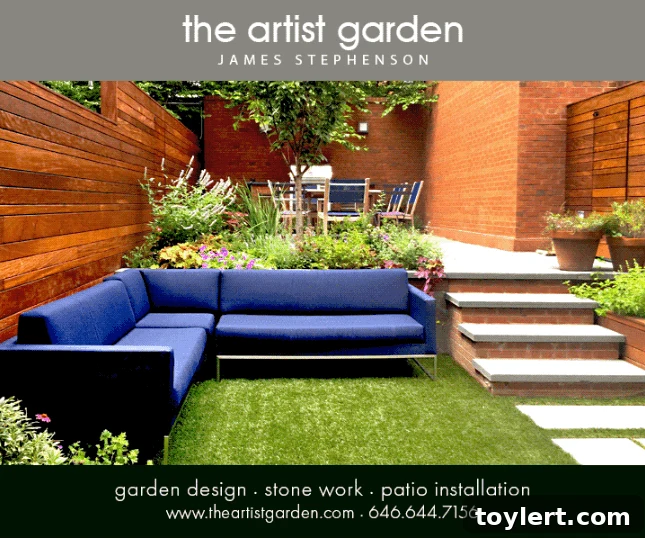
The Artist Garden: Cultivating Creativity and Serenity in Your Outdoor Space
In a world that increasingly values digital connections, the timeless allure of nature remains a profound source of inspiration and tranquility. For artists, thinkers, and anyone seeking a deeper connection with their surroundings, the concept of “The Artist Garden” offers a unique sanctuary. More than just a collection of plants, an artist’s garden is a carefully curated landscape, a living canvas designed to stimulate the senses, ignite imagination, and provide a peaceful retreat for reflection and creation. It’s a space where nature’s inherent beauty is enhanced by thoughtful design, color palettes, and structural elements, inviting occupants to observe, dream, and produce.
What Defines an Artist Garden? A Symphony of Design and Nature
At its heart, an artist garden is an extension of the creative process itself. Unlike conventional gardens that might prioritize specific plant collections or purely aesthetic appeal, an artist garden focuses on evoking an emotional response and fostering an environment conducive to artistic endeavors. This means paying close attention to several key elements:
- Composition and Form: Just as a painter arranges elements on a canvas, an artist gardener considers the spatial relationships between plants, pathways, and structures. The interplay of heights, textures, and shapes creates dynamic views and intimate nooks.
- Color Palette: Color is a powerful tool. An artist garden might feature vibrant bursts of complementary colors to energize, or a harmonious blend of muted tones to soothe and promote contemplation. The seasonal changes in color are also thoughtfully integrated into the overall design.
- Light and Shadow: The way light filters through foliage, casts shadows, and highlights features changes throughout the day, offering ever-evolving perspectives. Designers often strategically place plants and hardscaping to maximize these effects, creating dramatic contrasts or soft, diffused light perfect for sketching.
- Texture: From the rough bark of a tree to the delicate petals of a rose, texture adds depth and tactile interest. Combining plants with varied leaf forms, flower textures, and surface materials (like stone or wood) enriches the sensory experience of the garden.
- Sound and Scent: Beyond visual appeal, an artist garden engages other senses. The gentle rustle of leaves, the babbling of a water feature, or the sweet fragrance of blossoms can transport the mind and enhance relaxation and focus.
These principles combine to create a landscape that is both beautiful and functional, a place where one can find both solace and stimulus.
The Garden as a Muse: Inspiring Creative Endeavors
For centuries, gardens have served as muses for artists across disciplines. Impressionist painters like Claude Monet found endless inspiration in their meticulously designed gardens, translating the ephemeral qualities of light and color onto their canvases. Writers have sought quiet corners amidst greenery to craft narratives, while sculptors have envisioned their forms emerging from the very earth of their surroundings. An artist garden deliberately cultivates this potential for inspiration.
Imagine a painter setting up an easel by a pond reflecting the sky, capturing the subtle shifts in light; a poet finding rhythm in the swaying of ornamental grasses; or a musician composing melodies inspired by birdsong. Such gardens are designed with these activities in mind, featuring strategically placed benches, clear sightlines, and areas of quiet solitude. They encourage close observation of nature’s intricate details—the veining of a leaf, the flight of a butterfly, the gradual unfurling of a bud—all of which can spark new ideas and perspectives.
Designing Your Own Artist Garden: Practical Steps and Creative Freedom
Creating an artist garden doesn’t require vast acreage or an unlimited budget; it requires vision and a willingness to see your garden as a living piece of art. Here’s how you can start cultivating your own inspirational outdoor space:
1. Define Your Artistic Vision
What kind of art do you create or enjoy? Do you prefer bold, dramatic landscapes or serene, minimalist havens? Your personal aesthetic should guide your garden’s design. Sketch out ideas, create mood boards, and consider the emotions you want your garden to evoke.
2. Observe Your Space
Understand your garden’s existing conditions: sunlight patterns, soil type, prevailing winds, and existing features. These natural parameters will influence your plant choices and design possibilities. Note how light changes throughout the day and year—this is crucial for creating visual interest.
3. Choose Plants with Purpose
Select plants not just for their beauty, but for their contribution to your artistic goals. Consider their form, texture, color, and scent. Grouping plants to create visual impact or to direct the eye can be as effective as composing a painting. Think about year-round interest—what will the garden offer in winter, spring, summer, and fall?
4. Incorporate Art and Structures
An artist garden is an ideal place to display sculpture, pottery, or even found objects that resonate with your aesthetic. Water features, pergolas, arbors, and unique seating arrangements can act as focal points or create defined “rooms” within the garden. Even simple, rustic elements can add character and artistic flair.
5. Create Pathways and Destinations
Pathways guide the viewer through the landscape, revealing new vistas and experiences. Design paths that encourage leisurely strolls and lead to specific destinations like a secluded reading nook, a meditation bench, or an open space for creative work. The journey through the garden is as important as the destination.
6. Embrace Imperfection and Evolution
Unlike a static artwork, a garden is constantly changing. Embrace the natural cycle of growth, decay, and rebirth. Allow for some wildness, for plants to self-seed and find their own place. This organic evolution adds character and ensures your garden remains a dynamic, living masterpiece.
The Enduring Appeal of Outdoor Sanctuaries
The Artist Garden represents more than just a trend in landscaping; it embodies a philosophy of living. It’s about consciously creating spaces that nurture the soul, inspire the mind, and connect us more deeply with the natural world. In an increasingly fast-paced and complex world, such sanctuaries offer a vital counterbalance, reminding us of the simple yet profound beauty that can be found just outside our doors.
Whether you are an established artist, an aspiring creative, or simply someone who appreciates beauty and tranquility, an artist garden can profoundly enrich your life. It encourages observation, patience, and a playful approach to design. By cultivating your outdoor space with artistic intention, you’re not just growing plants; you’re growing a canvas for life’s ever-unfolding masterpiece, a personal haven where creativity blossoms and serenity takes root. Explore the possibilities and let your garden become a true reflection of your unique vision.