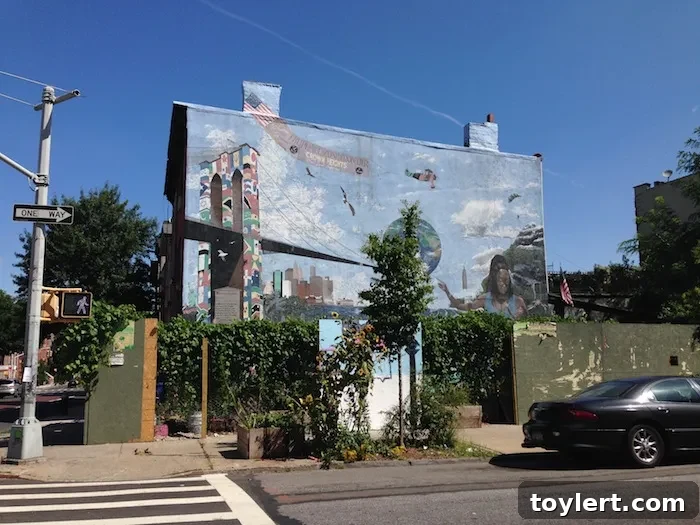
The Fight for Roger That Garden: Community vs. Developer in Crown Heights
In the vibrant and evolving neighborhood of Crown Heights, Brooklyn, a battle for green space is unfolding, encapsulating the broader challenges of urban development and community preservation. At the heart of this struggle is Roger That Garden, a cherished community oasis on Rogers Avenue and Park Place, whose dedicated gardeners are facing an escalating demand from a developer to reclaim their beloved plot. What started as a community effort to cultivate an abandoned lot has transformed into a high-stakes negotiation, with the property owner now demanding a staggering sum to relinquish his claim, placing the garden’s future in grave jeopardy.
The Genesis of a Community Gem: Roger That Garden’s Origins
The story of Roger That Garden began in 2006, when the City of New York intervened to demolish a dilapidated and abandoned hardware store occupying the site. Recognizing the potential for positive transformation, the city paved the way for a green space, though crucially, it never successfully tracked down the original property owner to acquire the deed. This oversight, innocent at the time, laid the groundwork for the current predicament. The lot, once an eyesore, was embraced by local residents who saw an opportunity to create a valuable resource. Through countless hours of volunteer work, dedication, and shared vision, they transformed the barren land into a flourishing community garden. Roger That Garden quickly became more than just a patch of soil; it blossomed into a vital hub for local residents, fostering community bonds, providing fresh produce, offering educational opportunities, and serving as a tranquil refuge from the urban bustle. It embodied the spirit of neighborhood revitalization and the power of collective action, becoming a testament to what a community can achieve when it comes together for a common good.
The Developer’s Intervention: A Rapidly Escalating Price Tag
The tranquil existence of Roger That Garden was shattered when Steve Billings, representing TYC Realty, entered the scene. Billings, through diligent investigation, reportedly tracked down the original owner’s daughter and acquired the property deed. According to a report in the New York Post, this acquisition was made for a mere $10 – a sum that stands in stark contrast to the property’s current market value and the developer’s subsequent demands. Since January, Billings has been actively threatening to evict the gardeners, signaling his intent to develop the land. The community, caught off guard but resolute, rallied to save their garden. They managed to raise $15,000, a significant sum for a grassroots effort, and presented this offer to the developer in hopes of purchasing the property and securing its future as a public green space. However, their offer was met with a counter-demand of $500,000 from Billings, an exorbitant figure compared to the initial $10 acquisition. In a move that has further bewildered and frustrated the gardeners, this asking price has since doubled, now reaching an astonishing $1,000,000. This escalating demand, for a lot that the gardeners estimate to be worth around $80,000, highlights the vast discrepancy in valuation and the perceived speculative nature of the transaction.
The Economic Disparity: Valuation and Unpaid Liens
The financial aspects of this dispute are particularly contentious. While the developer demands $1,000,000 for the plot, the community gardeners, with their intimate knowledge of local real estate and the property’s characteristics, assert that the lot’s actual market value hovers around $80,000. This immense gap—a twelve-fold difference—raises serious questions about fair market practices and the potential for predatory land acquisition. Furthermore, public records reveal that the property carries over $8,500 in unpaid tax liens. These liens add another layer of complexity to the situation, as any prospective buyer, including the community, would likely need to clear these debts in addition to the purchase price. The existence of these liens, coupled with the developer’s low initial investment, underscores the perceived opportunism at play, where a developer capitalizes on administrative oversights and community efforts to inflate a property’s value for personal gain.
The Heart of the Community: Why Urban Green Spaces Matter
Roger That Garden is more than just a piece of land; it is a vital urban green space that provides myriad benefits to the Crown Heights neighborhood. Community gardens are increasingly recognized as essential components of sustainable urban development. They offer residents, particularly those in densely populated areas, direct access to nature, opportunities for healthy outdoor activity, and a source of fresh, locally grown food. Beyond the tangible benefits, these gardens serve as powerful catalysts for social cohesion, bringing diverse neighbors together through shared work and common goals. They provide educational platforms for children and adults alike, teaching about ecology, horticulture, and sustainable living practices. In neighborhoods experiencing rapid gentrification, like Crown Heights, community gardens often represent one of the last bastions of affordable, accessible public space, offering a counter-narrative to relentless development that often prioritizes luxury housing over community needs. The potential loss of Roger That Garden is not merely the loss of a plot of land; it is the erosion of a community asset, a blow to local identity, and a stark reminder of the vulnerability of grassroots initiatives in the face of speculative real estate practices.
Community Resilience and Broader Implications
The resolve of the Roger That Garden community remains unshaken. Their initial fundraising efforts, though dwarfed by the developer’s latest demand, demonstrate their deep commitment and willingness to fight for their space. This dispute also shines a light on broader issues facing urban communities across New York City and beyond: the constant tension between economic development and community preservation, the ethical responsibilities of developers, and the need for robust mechanisms to protect vital public spaces. Cases like Roger That Garden highlight the urgency for city authorities to implement proactive measures, such as establishing community land trusts or strengthening land bank programs, to safeguard existing green spaces and prevent similar scenarios from unfolding. Such measures would empower communities to take ownership of their green infrastructure, ensuring its longevity and accessibility for future generations. The outcome of the Roger That Garden saga will undoubtedly set a precedent, influencing how similar conflicts are approached and resolved in other neighborhoods grappling with rapid change and the relentless pressure of urban development.
The Path Forward: Advocating for Preservation
As the standoff continues, the gardeners and their supporters are exploring all available avenues to challenge the developer’s demands and secure the garden’s future. This includes ongoing fundraising, engaging legal counsel, lobbying local politicians, and raising public awareness through media outreach and community organizing. The goal is not just to save one garden but to advocate for a more equitable and sustainable model of urban growth, one that values community assets and green infrastructure as much as, if not more than, immediate profit. The fight for Roger That Garden is a powerful illustration of community resilience, the enduring importance of urban green spaces, and the ongoing struggle to balance development with the essential needs and character of a neighborhood. The gardeners of Crown Heights stand as a testament to the power of collective action, reminding us that even in the face of daunting challenges, the spirit of community can blossom and thrive.