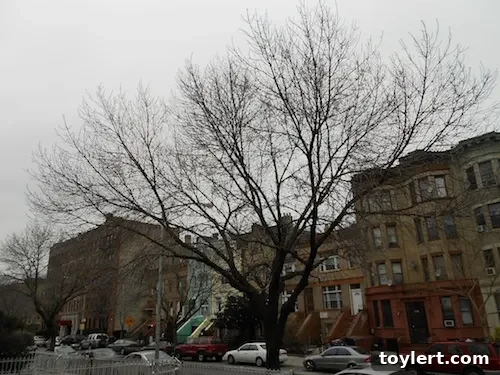
Crown Heights Rezoning: A Pivotal Moment for Crow Hill’s Future
The vibrant and historically rich neighborhood of Crown Heights in Brooklyn stands at a significant crossroads, particularly its western enclave known as Crow Hill. Recent discussions within Community Board 8 have brought to the forefront a comprehensive proposal for rezoning this crucial section, an initiative poised to redefine its urban landscape for generations to come. This proposed rezoning aims to meticulously shape future development, balancing preservation with the pressing need for modern amenities and equitable housing.
The area under consideration for rezoning is strategically located, nestled between the established Prospect Heights Historic District to its west and the equally significant Crown Heights North Historic District to its east. The Department of City Planning (DCP) has delineated a study area with specific boundaries, extending from Grand Avenue in the west to Nostrand Avenue in the east, and from Bergen Street in the north down to Eastern Parkway in the south. This extensive zone represents a diverse tapestry of residential, commercial, and industrial activity, making its future planning paramount for the entire community.
Understanding the Proposed Contextual Downzoning
Currently, the Crow Hill section operates under a patchwork of zoning designations: R7-1, C4-3, and R6. Each of these classifications permits different types of development, ranging from various residential densities to commercial uses. The core of the proposed rezoning, however, is a uniform, contextual downzoning. This approach is not merely about limiting development; rather, it’s a strategic move to ensure that new construction harmonizes with the existing neighborhood character, preserving its architectural integrity and human scale. Contextual zoning typically mandates specific building heights, setbacks, and other design elements that maintain the aesthetic and feel of a block.
A “downzoning” generally means reducing the allowable density or height of buildings within a given area. In the context of Crow Hill, this signifies a deliberate effort to prevent out-of-scale development that could overwhelm the neighborhood’s existing low-to-mid-rise fabric. This move aligns with a broader trend in New York City planning to protect the unique charm and livability of its diverse neighborhoods from unchecked high-rise construction. It’s a proactive measure designed to safeguard community assets, ensure adequate light and air, and foster a consistent streetscape.
The Long Road to Rezoning: A Community’s Persistence
The idea of rezoning this specific part of Crown Heights is not a recent phenomenon. The initial request for this contextual downzoning dates back to 2007, highlighting a long-standing community desire for more controlled and thoughtful development. The fact that it has taken years for the city to officially get on board speaks to the complex processes involved in urban planning, requiring extensive studies, community input, and political will. Community board members, recognizing the renewed momentum, have expressed a strong commitment to “try to do whatever we can to move it forward,” emphasizing the urgency and importance of this initiative for their constituents.
The delay since 2007 has also allowed for evolving community needs and broader urban shifts to be considered. The neighborhood has witnessed significant changes over the past decade, including increased population density, rising property values, and growing demand for both housing and public services. These dynamics underscore the critical need for a rezoning plan that is not only contextual but also forward-thinking, addressing contemporary challenges while honoring the area’s historical roots.
Addressing the M-1 Manufacturing Zone: A Key Hurdle and Opportunity
One of the most significant and complex aspects of the proposed rezoning lies within a sizable manufacturing zone, designated M-1, located north of Bergen Street up to Atlantic Avenue, and roughly from Grand Avenue to Nostrand Avenue. Manufacturing zones, by nature, are intended for industrial uses, often characterized by warehouses, light manufacturing facilities, and associated businesses. However, many M-1 zones in rapidly developing urban areas like Brooklyn have become ripe for conversion, given their strategic locations and the decreasing demand for traditional industrial space within residential neighborhoods.
The primary challenge in moving forward with the rezoning of this M-1 area is the necessity of an environmental study. Such a study is critical for assessing potential contaminants from past industrial activities, evaluating infrastructure capacity, and understanding the environmental impact of any proposed land-use changes. Unfortunately, the Department of City Planning currently lacks the specific funds and resources required to conduct such an extensive study for this particular zone. This financial hurdle poses a significant bottleneck, prompting the DCP to suggest that property owners within the M-1 zone fund the study themselves – a proposal that could be met with varying degrees of enthusiasm and feasibility.
Vision for the M-1 Zone: Affordable Housing and Public Space
Despite the funding challenge, there is a clear vision emerging for the M-1 zone, spearheaded by Council Member Tish James. She has been a staunch advocate for rezoning this area with a specific focus: transforming the old manufacturing buildings into much-needed affordable housing. This initiative aligns perfectly with broader city-wide goals to address the housing crisis and provide accessible living options for diverse income levels within thriving communities.
Board members echoed this sentiment, firmly stating that both affordable housing and increasing public space are paramount priorities if the M-1 area is ultimately rezoned. The conversion of industrial sites often frees up land or structures that can be repurposed not only for residential units but also for parks, community centers, or essential urban amenities. This dual focus on housing and public space reflects a holistic approach to urban development, aiming to create not just dwellings but truly livable and connected communities.
The potential for creating green spaces, pedestrian-friendly pathways, or even small community plazas within a previously industrial area could dramatically enhance the quality of life for current and future residents. Such transformations contribute to community well-being, encourage local engagement, and improve environmental health within dense urban environments. The discussion around the M-1 zone is therefore not just about land use, but about fostering a more equitable and vibrant neighborhood.
The area of rezoning in question, specifically the M1-1 zone, is clearly labeled on the accompanying map. This visual aid underscores the significant footprint of this manufacturing district within the broader Crow Hill section.
Strategizing for Funding and Community Engagement
Recognizing the critical need for an environmental study in the M-1 zone and the City Planning Department’s resource constraints, community board members have begun brainstorming alternative funding strategies. Their suggestions include a multi-pronged approach to secure the necessary capital:
- Lobbying Efforts: Engaging elected officials at both city and state levels to advocate for the allocation of public funds towards the environmental study. This requires compelling arguments about the broader benefits of the rezoning, including job creation, economic development, and social equity.
- Raising Money from Officials: Directly appealing to city council members, borough presidents, and state representatives for discretionary funding or specific grants that could cover the costs of the study. This often involves detailed proposals outlining the scope and impact of the rezoning.
- Encouraging Community Outreach: Mobilizing local residents, community organizations, and advocacy groups to collectively raise awareness and potentially contribute to fundraising efforts. A strong, unified community voice can significantly influence public and political will.
- Seeking State Money: Exploring opportunities for state-level environmental grants or economic development funds that are specifically designed to support urban revitalization projects, especially those involving the conversion of brownfield sites or underutilized industrial lands.
These strategies underscore the proactive stance of Community Board 8, demonstrating their commitment to overcoming financial obstacles to realize the community’s vision. The collaborative effort between local government, community leaders, and potentially private property owners will be essential for the successful execution of this vital study and, subsequently, the rezoning process.
The Path Forward: Continuing the Dialogue
For now, the overarching vision for the entire rezoning effort, including the detailed plans for the Crow Hill section and the M-1 zone, is still under active development by the board. The complexities of urban planning necessitate careful consideration of various factors, including infrastructure capacity, traffic patterns, economic impact, and community needs. This intricate process requires ongoing dialogue, expert consultation, and robust public participation.
To further these crucial discussions, the Community Board plans to continue its deliberation at next month’s Housing Committee meeting. These meetings serve as vital forums where residents, stakeholders, and policymakers can voice their concerns, offer insights, and contribute to the shaping of the rezoning plan. The upcoming meeting is scheduled for the first Thursday of the month, at 6:30 PM, and will be held at 727 Classon Avenue. Public attendance and input are highly encouraged, as active community engagement is fundamental to ensuring that the rezoning truly reflects the aspirations and needs of Crown Heights residents.
The proposed rezoning of Crow Hill represents more than just a change in zoning maps; it’s an opportunity to intentionally design the future of a beloved Brooklyn neighborhood. By balancing development with preservation, addressing housing needs, and creating more public spaces, Crown Heights can continue to thrive as a dynamic and inclusive community for all its residents.