Crown Heights Building Collapse Injures Pedestrian: A Stark Reminder of Urban Infrastructure Challenges
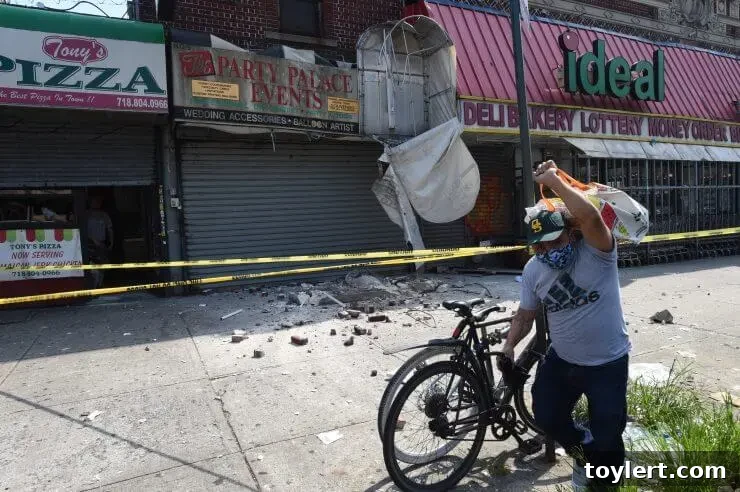
A terrifying scene unfolded in Crown Heights, Brooklyn, Wednesday afternoon when a significant portion of a building’s facade unexpectedly gave way, sending hundreds of pounds of concrete and brick crashing onto the sidewalk below. The sudden collapse, which occurred at 1412 St. Johns Place, resulted in one individual sustaining injuries and immediately raised serious concerns about urban building safety and the critical importance of regular structural maintenance.
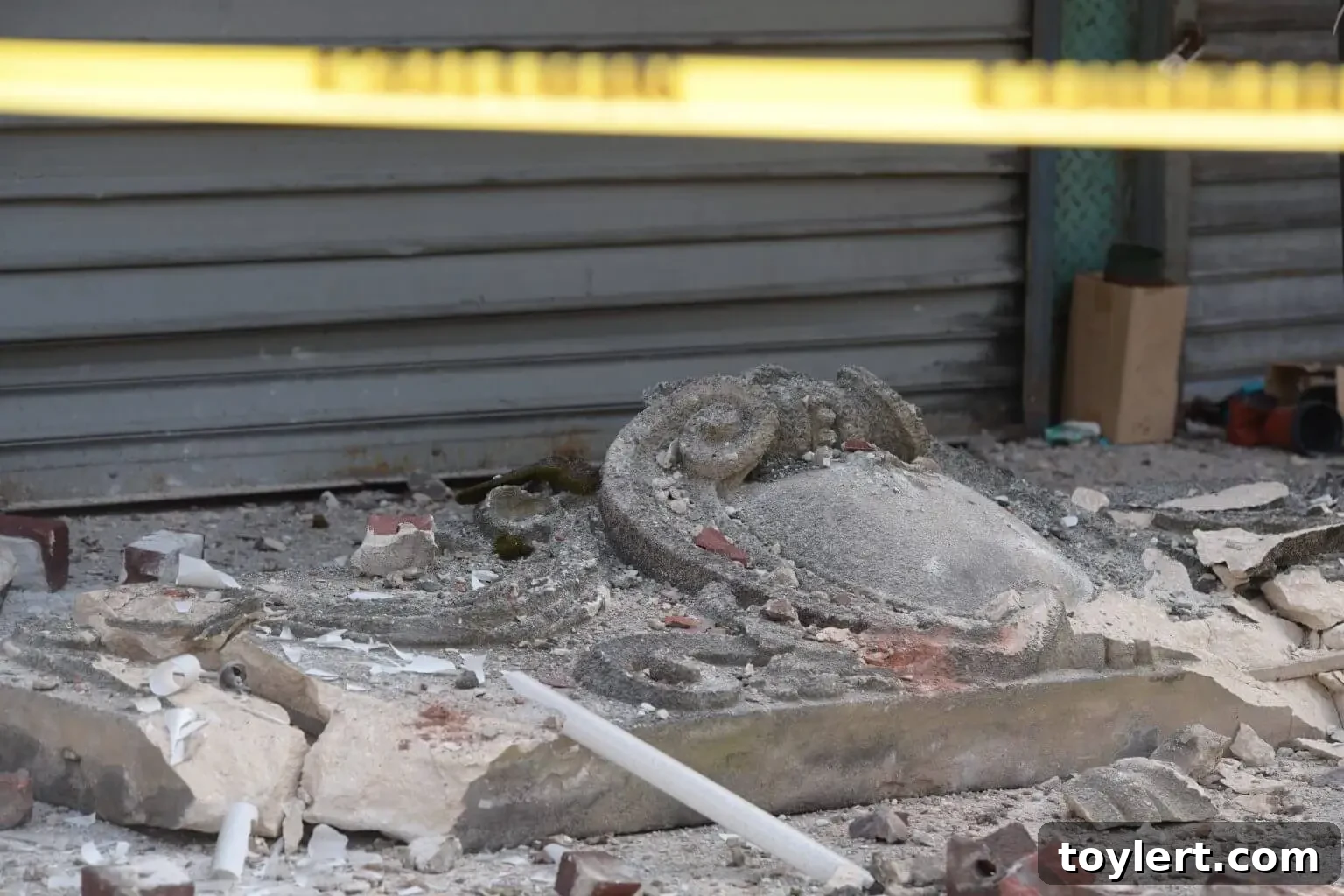
Fire officials confirmed that the alarming incident involved the failure of a substantial parapet, estimated to weigh more than 500 pounds. The debris rained down without warning, transforming a busy city street into a hazardous zone. Amidst the chaos, a man in his 40s was unfortunately struck on the head by a single brick, becoming the sole reported casualty of the collapse. While the extent of his injuries was not immediately detailed, the nature of the falling material suggests the potential for severe harm, underscoring the gravity of such structural failures in densely populated urban areas.
The Incident Unfolds: A Moment of Peril in Crown Heights
Witnesses described a harrowing moment as the building material detached from the upper reaches of the structure, creating a thunderous noise that echoed through St. Johns Place. The force of the collapse sent dust and fragments across the street, startling pedestrians and nearby shopkeepers. The immediate aftermath was one of confusion and alarm, quickly followed by the coordinated response of emergency services. First responders from the Fire Department of New York (FDNY) and New York Police Department (NYPD) converged on the scene, rapidly securing the area to prevent further injuries and begin the process of assessing the damage.
The injured man, whose identity has not been released, received immediate medical attention at the site before being transported to a local hospital. His condition remains a key focus of concern, highlighting the direct human cost of architectural decay. The incident serves as a stark reminder of the ever-present risks associated with aging infrastructure in a bustling metropolis like New York City, where millions navigate sidewalks beneath multi-story buildings daily. The swift emergency response was crucial in mitigating a potentially far worse scenario, given the significant volume and weight of the falling debris.
Deciphering the Debris: The Parapet’s Critical Role and Failure
At the heart of this building collapse was the failure of a parapet, a critical architectural element often overlooked until disaster strikes. A parapet is typically a low protective wall along the edge of a roof, bridge, balcony, or similar structure. In New York City, many older buildings feature decorative or functional parapets made of brick, concrete, or stone, which contribute to the building’s aesthetic and protect the roofline. When a parapet, particularly one weighing over 500 pounds, crumbles, it indicates a severe compromise in the building’s structural integrity.
Such failures are rarely spontaneous. They are often the culmination of years of exposure to harsh weather conditions, including freeze-thaw cycles, wind erosion, and moisture infiltration, all of which can degrade mortar joints and concrete. Poor maintenance, inadequate repairs, or original construction defects can exacerbate these issues, leading to a weakened structure that eventually succumbs to the forces of gravity and environmental stress. The sheer weight of the material involved in the Crown Heights incident underscores the potential for catastrophic damage and highlights why the integrity of these facade elements is paramount for public safety.
A Familiar Foe: The Challenge of Aging Infrastructure in NYC
New York City’s iconic skyline is largely defined by its historic buildings, many of which date back to the early 20th century or even earlier. While these structures contribute immensely to the city’s character and charm, their age presents a persistent challenge in terms of maintenance and safety. Facades, in particular, bear the brunt of urban environmental factors and natural aging processes. Constant vibration from traffic, pollution, and the relentless cycle of seasons all contribute to the wear and tear that can compromise the stability of exterior walls, cornices, and parapets.
This incident in Crown Heights is not an isolated event but rather a recurring symptom of a broader issue facing urban centers across the globe. As buildings age, their materials weaken, and structural components can become less secure. Without rigorous and consistent inspection and repair protocols, what might seem like minor cosmetic issues can escalate into severe structural vulnerabilities, posing significant risks to pedestrians and occupants alike. The collapse serves as a potent visual cue, demanding a collective re-evaluation of how New York City manages and maintains its vast stock of aging infrastructure.
NYC Building Codes and Facade Safety: The Role of Local Law 11
In response to previous facade collapses and to proactively address building safety, New York City has implemented stringent regulations, most notably Local Law 11 (also known as the Façade Inspection Safety Program or FISP). This law mandates that owners of buildings greater than six stories must have their exterior walls and appurtenances inspected every five years by a licensed professional engineer or registered architect. The goal is to identify and repair any “unsafe” conditions that could pose a threat to public safety. Conditions are classified as “safe,” “safe with a repair and maintenance program” (SWARMP), or “unsafe.”
The Crown Heights incident will undoubtedly trigger a thorough investigation by the NYC Department of Buildings (DOB) to determine if the building at 1412 St. Johns Place was compliant with Local Law 11. Investigators will examine the building’s inspection history, previous repair records, and the nature of the structural failure to ascertain whether neglect, improper repairs, or other factors contributed to the collapse. The efficacy of such regulations hinges on strict adherence by building owners and robust enforcement by city authorities, underscoring the critical need for vigilance in urban building maintenance and safety.
Emergency Response and Initial Investigation
Following the collapse, the immediate priority for emergency services was the safety of the public. FDNY personnel meticulously searched the debris field to ensure no other individuals were trapped or injured, while NYPD officers established a perimeter, diverting traffic and pedestrians away from the danger zone. Building inspectors from the DOB swiftly arrived on the scene to conduct a preliminary assessment of the remaining structure, identifying any further imminent threats and determining the extent of the damage. This initial inspection is crucial for deciding whether the building needs to be partially or fully evacuated, shored up, or even deemed structurally unsound.
Engineers were likely tasked with examining the integrity of adjacent facade sections and the overall stability of the building. The cleanup operation began concurrently with the investigation, as removing the heavy debris was essential for both safety and to allow for a comprehensive structural assessment. Such incidents often involve multiple city agencies working in tandem to manage the crisis, secure the site, and initiate the formal investigation that will ultimately determine the cause of the collapse and assign responsibility. The coordinated effort aims to stabilize the situation and prevent any secondary incidents.
Impact on the Community and Businesses
Beyond the immediate physical danger, a building collapse like the one in Crown Heights sends ripple effects through the local community. St. Johns Place, a busy thoroughfare, experienced significant disruption, impacting local businesses, traffic flow, and the daily routines of residents. Pedestrian access would have been restricted for an extended period, potentially affecting commercial establishments that rely on foot traffic. The incident can also foster a sense of unease and anxiety among residents who suddenly become aware of the potential hazards posed by the aging buildings around them.
Such events often lead to increased scrutiny of other properties in the vicinity, with neighbors questioning the safety of their own buildings or adjacent structures. For businesses operating near the collapse site, financial losses due to closures or reduced patronage can be substantial. The psychological impact on those who witnessed the collapse or live nearby can also be significant, reinforcing the need for clear communication from authorities and prompt action to restore a sense of safety and normalcy.
Property Owner Responsibility and Legal Ramifications
In New York City, property owners bear the primary responsibility for maintaining the safety and structural integrity of their buildings. Failure to comply with building codes, neglect of required inspections, or deferral of necessary repairs can lead to severe legal and financial consequences. Following the investigation into the Crown Heights facade collapse, if negligence is found to be a contributing factor, the building owner could face substantial fines, mandates for costly emergency repairs, and potential lawsuits from the injured pedestrian and affected businesses.
The legal framework is designed to hold owners accountable, incentivizing proactive maintenance and adherence to safety standards. Incidents like this underscore the critical importance of a building owner’s commitment to public safety, emphasizing that the costs of neglect far outweigh the investments required for proper maintenance and timely repairs. The outcome of the investigation will be pivotal in determining the future course of action for the property and setting precedents for urban building upkeep.
Preventing Future Disasters: A Call for Proactive Maintenance
The Crown Heights building facade collapse serves as a powerful testament to the ongoing need for rigorous and proactive building maintenance across New York City. Preventing future disasters hinges on a multi-faceted approach involving vigilant property owners, diligent inspection professionals, and robust enforcement by city agencies. Building owners must recognize that exterior maintenance is not merely aesthetic; it is fundamental to structural safety. Regular inspections should go beyond the bare minimum required by law, employing advanced techniques and technologies to detect subtle signs of deterioration before they escalate into critical failures.
Investment in timely repairs, using appropriate materials and skilled labor, is essential. Furthermore, continuous education and awareness campaigns can help both owners and residents understand the signs of potential building distress. By prioritizing safety through consistent upkeep and strict adherence to established codes, urban centers can work towards mitigating the risks associated with aging infrastructure and ensure that their vibrant streetscapes remain safe for everyone.
Conclusion: A Shared Responsibility for Urban Safety
The incident on St. Johns Place in Crown Heights, where a collapsing facade injured a pedestrian, is more than just a local news story; it is a critical reminder of the complex challenges inherent in maintaining urban infrastructure. It highlights the delicate balance between preserving the historical fabric of our cities and ensuring the safety of their inhabitants. While emergency services responded swiftly and professionally, the focus now shifts to the ongoing investigation and the broader implications for building safety standards across New York City.
This event underscores a shared responsibility: building owners must prioritize maintenance, city officials must rigorously enforce regulations, and communities must remain vigilant. Only through a concerted and continuous effort can cities prevent such terrifying collapses and protect the lives of those who live, work, and commute within their dynamic environments. The hope remains that the injured individual makes a full recovery, and that this incident serves as a catalyst for renewed commitment to structural integrity and public safety.