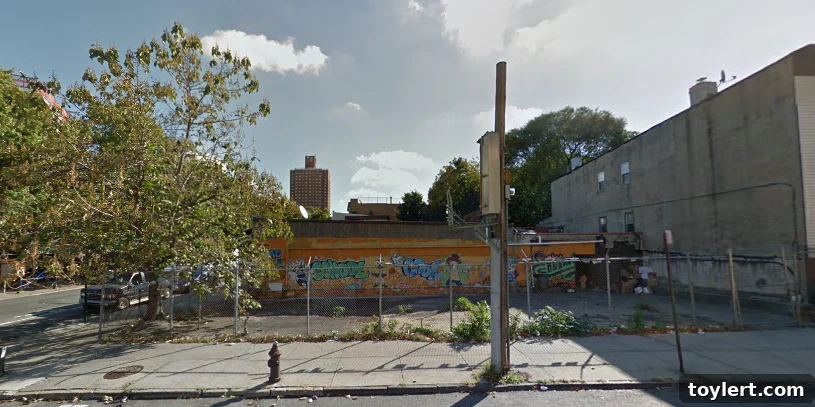
In a bustling urban landscape often defined by concrete and steel, the promise of green space offers a vital breath of fresh air and a beacon of hope for community growth. This sentiment recently resonated deeply within Crown Heights, Brooklyn, where a passionate initiative to transform a long-vacant lot into a vibrant educational community garden received overwhelming support. Two dedicated teachers, Zsabatta Taylor and Liesel Zitman, hailing from the nearby Granville T Woods School, successfully garnered unanimous approval from Community Board 8 for their ambitious project at 1662 Bergen Street. Their vision, a carefully cultivated oasis for learning and community engagement, is set to inspire young minds and foster a deeper connection to nature, despite the urban planning complexities that often accompany such endeavors.
The Visionaries Behind the Soil: Zsabatta Taylor and Liesel Zitman
Zsabatta Taylor and Liesel Zitman, both educators of third and fourth graders at the Granville T Woods School on Rochester Avenue and Bergen, conceived of this garden as an extension of their classroom – an outdoor laboratory where theoretical concepts could be brought to life. Their shared passion for environmental education and community building fueled the proposal. They recognized the scarcity of green spaces in their immediate neighborhood and understood the profound impact that hands-on learning experiences could have on their students. For years, the lot at 1662 Bergen Street stood as a barren, concrete-covered expanse, a stark contrast to the lively educational environment just across the street. The teachers saw not a forgotten corner, but a canvas ripe for transformation, a place where children could literally dig into science, cultivate a sense of responsibility, and grow alongside their plants.
Their dedication goes beyond traditional teaching methods. Both Taylor and Zitman believe in holistic education that nurtures curiosity, critical thinking, and a connection to the world around them. The proposed garden is a testament to this philosophy, aiming to provide a dynamic learning environment that transcends textbooks. It’s an investment in the intellectual and emotional well-being of their students and a testament to their unwavering commitment to the Crown Heights community. Their proposal to Community Board 8 wasn’t just about planting seeds; it was about planting the seeds of knowledge, stewardship, and community resilience in the hearts of the neighborhood’s youngest residents.
Transforming a Concrete Canvas: The 1662 Bergen Street Lot
The chosen site for this inspiring project, an 1,800-square-foot lot at 1662 Bergen Street, presents both an opportunity and a challenge. Currently, it is a concrete-covered space, a common sight in densely populated urban areas. For years, it has remained on the list of vacant sites identified by the Department of Housing Preservation and Development (HPD) as potential locations for affordable housing redevelopment. This background sets the stage for a compelling narrative, highlighting the ongoing tension in many cities between the urgent need for housing and the equally critical demand for accessible green spaces and community amenities.
Despite its uninviting appearance, the lot holds immense potential. Its direct proximity to Granville T Woods School makes it an ideal location for an educational garden, offering unparalleled access for students and teachers. Converting this dormant concrete slab into a thriving ecosystem will not only beautify the neighborhood but also actively contribute to its ecological health. It will serve as a powerful symbol of regeneration, demonstrating how neglected urban spaces can be repurposed for the collective good, fostering biodiversity and providing much-needed respite from the urban grind. The transformation from concrete to fertile soil represents a tangible step towards a greener, more sustainable Crown Heights.
Bridging Education and Ecology: A Garden for Young Minds
The core of Taylor and Zitman’s vision lies in the garden’s educational mission, designed to engage children from pre-kindergarten through fifth grade. This hands-on outdoor classroom will expose young learners to fundamental concepts of agriculture, environmental science, and sustainable living. Imagine kindergartners learning about the life cycle of a plant by tending to their own sprouts, or fifth graders understanding soil composition and nutrient cycles through direct experimentation. The curriculum will be thoughtfully integrated with existing school subjects, making learning tangible and exciting.
Through practical activities such as planting, watering, weeding, and harvesting, children will develop a deep appreciation for where their food comes from and the effort required to produce it. They will learn about local ecosystems, the importance of pollinators, composting, water conservation, and the impact of climate on agriculture. Beyond scientific knowledge, the garden will instill crucial life skills: patience, responsibility, teamwork, problem-solving, and a profound respect for nature. This unique educational setting promises to cultivate not only plants but also future environmental stewards, fostering a generation that understands and values the natural world.
Navigating Urban Priorities: Affordable Housing vs. Green Space
The approval of the Bergen Street community garden by Community Board 8 is particularly significant given the lot’s prior designation. The city-owned site has been a target for redevelopment by HPD, a vital agency dedicated to addressing New York City’s critical need for affordable housing. This situation highlights a common urban dilemma: how to balance the pressing demand for housing with the equally crucial need for green infrastructure, public spaces, and community amenities. Both affordable housing and community gardens serve essential public interests, making decisions about land use complex and often contentious.
The unanimous approval from Community Board 8 signals a strong community preference and perhaps a nuanced understanding of the long-term value a green space can bring to a neighborhood. While affordable housing provides direct shelter, a community garden offers a different kind of sustenance – promoting mental and physical health, fostering social cohesion, providing educational opportunities, and enhancing the overall quality of life. The teachers likely presented a compelling case, demonstrating how their educational garden would not only enrich the lives of hundreds of children but also act as a vibrant hub for the entire community, potentially even increasing the attractiveness and desirability of future housing developments in the vicinity by improving the neighborhood’s amenities. This decision underscores the power of community advocacy in shaping urban development policies and reminds us that cities thrive not just on buildings, but on the well-being of their inhabitants and the vibrancy of their shared spaces.
Community Board 8’s Unanimous Endorsement
The unanimous approval from Community Board 8 was a pivotal moment for the Bergen Street garden project. Community boards play a crucial advisory role in land use and zoning matters, providing a platform for local residents to voice their concerns and aspirations regarding development within their districts. For Taylor and Zitman, receiving full backing from the board was not merely a procedural step but a powerful affirmation of their vision’s resonance with the neighborhood’s needs and desires. It indicated that local representatives understood and supported the profound benefits an educational community garden would bring to Crown Heights.
This endorsement provides significant momentum, strengthening the project’s legitimacy and increasing its chances of overcoming subsequent hurdles. While HPD still lists the lot for potential housing development, the community board’s decision sends a clear message about community priorities. It reflects a collective understanding that investing in green infrastructure and youth education yields invaluable returns in terms of public health, environmental sustainability, and social capital. The teachers’ ability to articulate their vision so effectively, combined with widespread community backing, ultimately swayed the board, demonstrating the critical role of grassroots efforts in shaping the urban landscape.
Cultivating Community: Beyond the Classroom Walls
While the educational benefits for students are paramount, the Bergen Street community garden is envisioned as much more than just an outdoor classroom; it is poised to become a vital community hub. Taylor and Zitman’s plans extend to actively involving parents and the broader Crown Heights community in the garden’s life and growth. This inclusive approach will foster a deeper sense of ownership and connection among residents, transforming a formerly neglected space into a shared asset and a source of collective pride. Regular volunteer days will invite neighbors to contribute their time and skills, from preparing soil and planting seeds to maintaining beds and harvesting produce.
Beyond manual labor, the garden will host workshops on gardening techniques, healthy eating, and environmental topics, catering to all ages. Imagine family-friendly events, seasonal festivals, or even a local produce stand managed by students, offering fresh fruits and vegetables to the neighborhood. These activities will create opportunities for intergenerational interaction, strengthen social bonds, and provide a peaceful, green gathering place in a dense urban environment. By integrating the garden into the fabric of the community, Taylor and Zitman aim to cultivate not just plants, but also a stronger, more connected, and healthier neighborhood, where residents feel empowered to shape their shared spaces.
Expert Partnership: The Role of 596 Acres
A crucial element in the successful realization of the educational community garden is the partnership with the nonprofit organization, 596 Acres. This Brooklyn-based group specializes in helping communities identify and transform vacant public land into vibrant community spaces, including gardens. Their expertise will be invaluable in guiding Taylor and Zitman through the practicalities of establishing and maintaining the garden. As the teachers themselves told Community Board 8, 596 Acres will play a key role in installing raised garden beds, a practical solution for urban gardening that addresses issues like soil quality and accessibility.
596 Acres brings a wealth of knowledge in urban agriculture, land stewardship, and community organizing. Their assistance will extend beyond physical installation, likely including guidance on garden design, water management, composting systems, and fostering long-term sustainability. Their involvement not only provides essential technical support but also lends credibility to the project, demonstrating a commitment to best practices in urban green space development. This collaboration ensures that the Bergen Street garden will be not just a temporary patch of green, but a well-designed, resilient, and enduring asset for the Crown Heights community, built on a foundation of expert knowledge and community empowerment.
The Ripple Effect: Broader Benefits of an Urban Oasis
The establishment of the educational community garden at 1662 Bergen Street promises to generate a wide array of benefits, extending far beyond the immediate plot of land. This project exemplifies how localized initiatives can create significant ripple effects, contributing to the health, well-being, and sustainability of the entire Crown Heights neighborhood. It’s a testament to the power of community-led action in addressing diverse urban challenges.
Enhancing Child Development and Academic Success
For the students of Granville T Woods School and other local children, the garden will be an unparalleled resource. It will provide hands-on experiences that boost academic performance, particularly in science, math, and literacy, by making abstract concepts tangible. Beyond academics, gardening has been shown to improve children’s physical health through outdoor activity, foster healthy eating habits by encouraging consumption of fresh produce, and enhance social-emotional development by teaching teamwork, patience, and responsibility. The garden will serve as a sanctuary for learning, discovery, and personal growth.
Strengthening Community Bonds and Health
The garden will act as a powerful catalyst for community cohesion. By providing a shared space for activity and interaction, it will bring together neighbors, parents, and teachers, fostering a stronger sense of belonging and mutual support. Access to fresh, locally grown produce can address food insecurity and promote healthier diets within the community. Furthermore, the presence of green spaces is linked to reduced stress, improved mental health, and enhanced overall quality of life for urban residents, transforming a once-neglected space into a source of collective pride and well-being.
Environmental Stewardship in the Urban Fabric
Transforming a concrete lot into a vibrant garden offers significant ecological advantages. It helps mitigate the urban heat island effect by replacing heat-absorbing surfaces with living plants. The garden will improve local air quality, support urban biodiversity by attracting pollinators and beneficial insects, and contribute to stormwater management by allowing rainwater to permeate the soil rather than overwhelming drainage systems. This green oasis will stand as a living example of environmental stewardship, inspiring broader ecological consciousness within Crown Heights.
Looking Ahead: Sowing Seeds for a Sustainable Future
The journey from a concrete-covered lot to a thriving educational community garden is a testament to the power of collective vision and persistent effort. The unanimous approval from Community Board 8 marks a significant milestone for Zsabatta Taylor and Liesel Zitman, and for the Crown Heights community as a whole. While the path forward may still involve navigating bureaucratic landscapes, the momentum is undeniably strong. This project is more than just a garden; it’s an investment in the future, sowing seeds of knowledge, community, and environmental responsibility that will bear fruit for generations to come. It underscores the profound truth that even in the densest urban environments, with passion and collaboration, green dreams can take root and flourish, transforming neighborhoods and enriching lives.