Brooklyn Tenant’s Harrowing Battle Against Landlord Harassment: A Fight for Home and Dignity
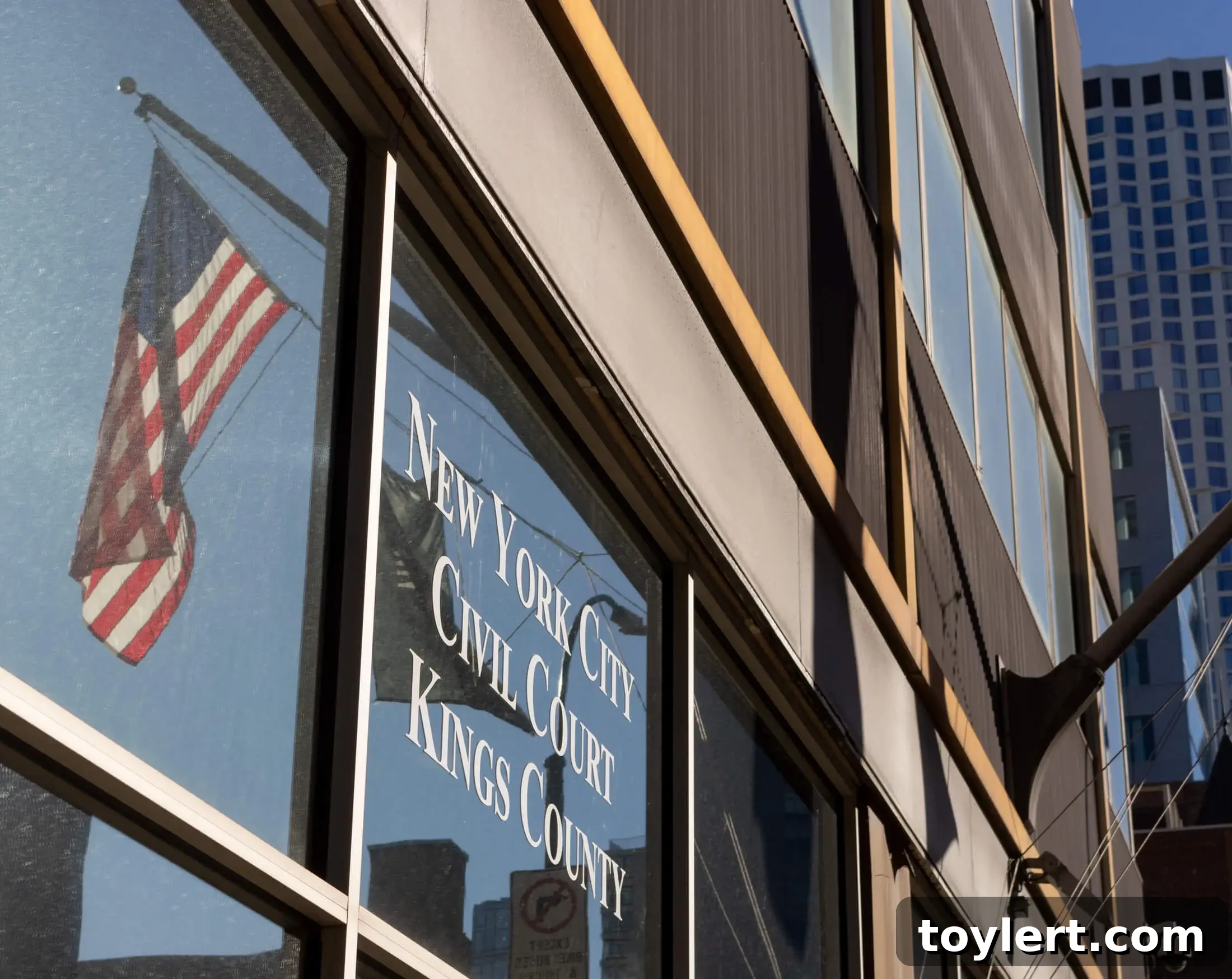
In a powerful and emotionally charged testimony that gripped a Brooklyn courtroom, Francis Roberts fought back tears as he recounted the devastating impact of alleged persistent harassment by his landlord and a fellow tenant. On a recent Thursday, Roberts stood on the witness stand, detailing how his life has been irrevocably altered by a relentless campaign he believes is designed to force him out of his rent-stabilized garden apartment at 972 Park Place, a home he has cherished for over two decades.
“I’ve had to take on a whole new different lifestyle,” Roberts explained, his voice thick with emotion. “It has affected my life in terms of living in my apartment peacefully. It’s affected my life in that I’ve had to spend some time away from home to get solace from the chaos erected outside my apartment. It’s affected my life because I’ve had to get involved with the police.” His poignant reflection highlighted the profound disruption and distress he has endured over the past seven months, transforming his sanctuary into a source of constant anxiety.
The Legal Onslaught: Unpacking the Lawsuit Against 972 Park Place LLC
The legal proceedings initiated by Roberts are not merely a personal grievance but a significant case highlighting broader issues of tenant protections in New York City. In August, with the vital support and representation from Brooklyn Legal Services, Francis Roberts took a courageous step, filing a comprehensive lawsuit against his landlord, 972 Park Place LLC. The lawsuit also names the LLC’s president, Yehuda Gruenberg, as a principal target of the allegations, with the New York City Department of Housing Preservation and Development (HPD) also listed as a co-defendant.
The core of Roberts’ complaint centers on two critical issues: the landlord’s alleged egregious failure to perform necessary repairs on his long-term rent-stabilized garden apartment, and a systematic pattern of harassment. For more than twenty years, Roberts has called 972 Park Place home, a stability now threatened by actions he claims are deliberate attempts to coerce him into vacating the premises. This strategy of harassment is alarmingly common in a city where rising property values often incentivize landlords to push out long-term, rent-stabilized tenants to make way for market-rate renters.
The Significance of Rent Stabilization in New York City
Roberts’ apartment falls under New York City’s vital rent stabilization laws, a crucial framework designed to protect tenants from arbitrary rent increases and evictions. These regulations are particularly important in a competitive and expensive housing market like Brooklyn. Rent stabilization generally applies to buildings built before 1974 with six or more units, providing tenants with renewal rights and limits on how much rent can be raised annually. For landlords, a rent-stabilized unit often represents lower potential profit margins compared to a market-rate apartment, creating a powerful economic incentive for them to try and remove existing tenants.
This economic pressure frequently manifests as tenant harassment. Landlords might neglect repairs, create disruptive living conditions, or initiate frivolous legal actions, all with the underlying goal of making a tenant’s life so unbearable that they choose to leave. In Roberts’ case, the allegations suggest a calculated effort to undermine his tenancy, leveraging the stress of disrepair and constant friction to achieve an illegal eviction.
Defining Tenant Harassment: What It Means in Brooklyn
Tenant harassment in New York City is a serious offense, encompassing a range of actions that interfere with a tenant’s right to peaceful enjoyment of their home. According to city and state laws, harassment can include, but is not limited to: persistent failures to provide essential services (like heat, hot water, or necessary repairs), creating hazardous conditions, disruptive and prolonged construction, making threats, filing baseless lawsuits, or even engaging in verbal abuse. The mention of HPD as a co-defendant in Roberts’ case might suggest that the city agency itself may have been perceived as failing in its duty to enforce housing codes or respond adequately to Roberts’ complaints, thus contributing to the deteriorating living conditions.
The alleged actions against Francis Roberts are a stark example of how such harassment can erode a tenant’s fundamental right to live peacefully and securely in their own home. His testimony, particularly the reference to seeking “solace from the chaos erected outside my apartment,” vividly illustrates the profound psychological toll and the feeling of being driven from one’s sanctuary. This isn’t just about a broken faucet or a leaky roof; it’s about the systemic dismantling of a tenant’s quality of life and sense of security.
The Broader Battle for Housing Justice in Crown Heights
The Francis Roberts case transcends a single individual’s struggle; it mirrors a wider crisis of tenant harassment and housing injustice prevalent in many gentrifying neighborhoods across Brooklyn, including Crown Heights where 972 Park Place is located. As areas become more desirable, the pressure on long-term residents, particularly those in rent-stabilized units, intensifies. Community organizations and legal aid groups like Brooklyn Legal Services play a crucial role as frontline defenders, providing essential legal representation to vulnerable tenants who might otherwise be overwhelmed by the resources of powerful landlords.
These legal aid services are indispensable in navigating the complex landscape of housing law, ensuring that tenants understand their rights and have a fighting chance in court. The inclusion of HPD as a co-defendant also highlights the intricate web of responsibilities and potential failures within the housing ecosystem. When city agencies, intended to protect tenants, are accused of complicity or inaction, it underscores the systemic challenges faced by residents like Roberts.
Seeking Solace and the Human Cost of Dispossession
Roberts’ testimony about needing to spend “time away from home to get solace” paints a grim picture of the emotional and mental toll exacted by sustained harassment. A home, by definition, should be a place of refuge, peace, and security. When that sanctity is violated, tenants are left without a safe harbor. This forced displacement, even if temporary, represents a profound loss of dignity and autonomy. The constant involvement of police, a direct consequence of the escalated conflict, further signifies the breakdown of civil relations and the pervasive stress Roberts has been forced to endure.
The concept of “tent cities” as a metaphor for seeking solace, whether literal or figurative, powerfully conveys the desperation and the extreme measures one might resort to when their own home becomes uninhabitable due to external pressures. It speaks to a primal need for shelter and peace that Roberts was allegedly denied within his own apartment. This case is a stark reminder that housing is not just about physical space; it is about psychological well-being, community, and the fundamental right to peace.
Protecting Your Rights: Advice for Tenants Facing Harassment
Francis Roberts’ bravery in coming forward offers a critical lesson for other tenants facing similar predicaments. If you believe you are experiencing tenant harassment, taking immediate and decisive action is crucial:
- Document Everything: Keep detailed records of all interactions with your landlord, including dates, times, names, and descriptions of incidents. Photograph conditions, save emails, and log phone calls.
- Know Your Rights: Familiarize yourself with New York City and State tenant protection laws, especially concerning rent stabilization, essential services, and harassment.
- Seek Legal Counsel: Contact a legal aid organization like Brooklyn Legal Services or a private attorney specializing in tenant law. Early legal intervention can make a significant difference.
- Report to Authorities: File complaints with appropriate city agencies, such as HPD, if your landlord is failing to make repairs or is violating housing codes.
- Build Community Support: Connect with tenant associations or community groups that advocate for housing rights. Collective action can often be more effective.
A Call for Housing Justice and Dignity
The ongoing trial involving Francis Roberts against 972 Park Place LLC and Yehuda Gruenberg serves as a poignant testament to the daily struggles faced by countless tenants in New York City. It underscores the critical importance of robust tenant protection laws and the unwavering commitment of legal advocates. Roberts’ emotional testimony highlights the deeply personal and often devastating impact of landlord harassment, transforming a basic human need for stable housing into a grueling battle for dignity and peace.
As the legal battle continues to unfold in the Brooklyn courtroom, the outcome will not only determine the fate of Francis Roberts’ home but will also send a powerful message about the enforcement of tenant rights and the pursuit of housing justice in one of the world’s most dynamic and challenging real estate markets. It is a reminder that a home is more than just an address; it is a fundamental right that must be protected.