Crown Heights Tenants Mark One Year of Rent Strike, Demand Dignified Living Conditions
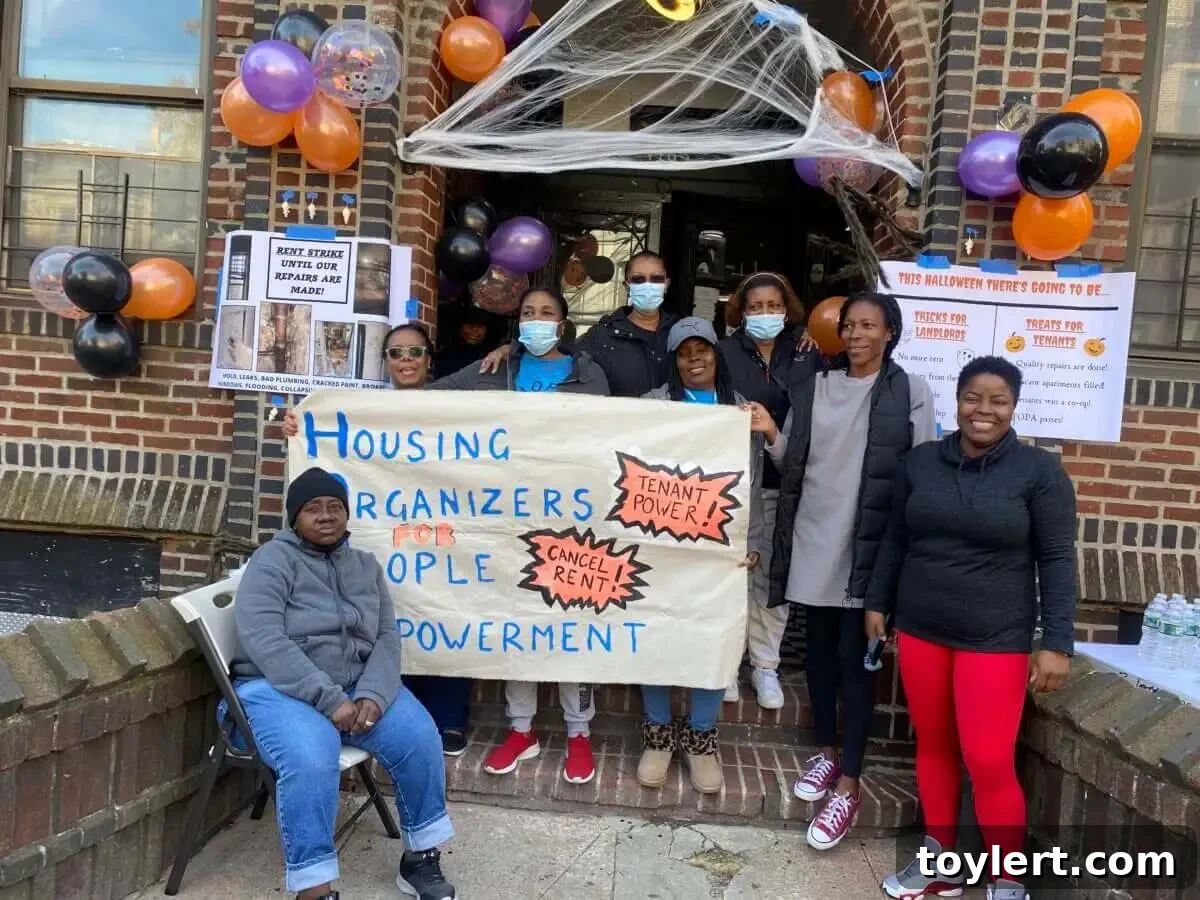
Tenants residing in a severely neglected apartment building in Crown Heights, Brooklyn, convened on October 30 for a Halloween-themed rally, marking the somber one-year anniversary of their courageous rent strike. The event, held outside their deteriorating home at 1392 Sterling Place, served as a powerful testament to their unwavering resolve in the face of persistently egregious living conditions and a management that has consistently failed its residents.
For a full year, since last fall, the residents of 1392 Sterling Place have collectively withheld rent, a drastic but necessary measure born out of sheer desperation and a prolonged struggle for basic human dignity. According to Charlie Dulik, a dedicated tenant organizer with Housing Organizers for People Empowerment (HOPE), this unprecedented action was triggered by the building management’s blatant disregard for their repair demands and a systematic failure to address a litany of hazards plaguing their homes.
The Unfolding Crisis at 1392 Sterling Place: A Year of Neglect
The decision to initiate a rent strike was not made lightly. It was the culmination of years, and then months, of unanswered calls, unfulfilled promises, and a steady decline in the structural integrity and habitability of the building. Residents have endured an alarming array of issues that transform daily life into a constant battle against their own living environment. These include pervasive infestations of pests, widespread mold growth, alarming instances of falling ceilings, and chronic leaky pipes, among a host of other dangerous and unsanitary conditions.
A Litany of Violations: City Records Paint a Grim Picture
The severity of the situation at 1392 Sterling Place is not merely anecdotal; it is meticulously documented in city records. Official data reveals a staggering nearly 500 open violations within the building. This overwhelming number underscores the depth of neglect and the urgent need for intervention. These violations are not minor inconveniences; they represent serious threats to the health, safety, and well-being of the residents. City authorities have repeatedly ordered the building management to undertake critical repairs and abatements, including:
- Mold Abatement: Addressing the pervasive and dangerous mold growth that poses significant respiratory and health risks to tenants, particularly children and the elderly.
- Provision of Hot Water: Ensuring consistent access to hot water, a basic utility essential for hygiene and daily living, which has often been intermittent or non-existent.
- Repair and Replacement of Smoke and Carbon Monoxide Detectors: Rectifying crucial safety failures by fixing or replacing non-functional smoke and carbon monoxide detectors, leaving residents vulnerable to fires and hazardous gas leaks.
- Pest Eradication: Implementing comprehensive pest control measures to combat severe infestations of rodents and insects.
- Structural Repairs: Addressing issues like falling ceilings and compromised structural elements that present immediate physical dangers.
Despite these clear directives and the alarming number of violations, management has largely remained unresponsive, pushing tenants to the brink and forcing their hand in taking collective action.
The Human Cost of Neglect: Life Inside a Deteriorating Building
Living in a building with such profound and persistent issues takes an immense toll on its residents. The physical hazards are only part of the story; the emotional and psychological impact is equally devastating.
Health Hazards and Daily Struggles
- Respiratory Illnesses: Pervasive mold, especially black mold, is a known trigger for asthma, allergies, and other respiratory ailments. Children growing up in such environments face long-term health consequences.
- Pest-Borne Diseases: Rodents and insects, including cockroaches and bed bugs, not only cause discomfort and property damage but also carry diseases, contaminate food, and exacerbate allergies. The constant presence of pests creates an unsanitary living environment that is difficult, if not impossible, to maintain.
- Accident Risks: Falling plaster, crumbling ceilings, and unstable structural elements present a constant threat of injury. Residents live in fear that a part of their home could collapse at any moment.
- Lack of Basic Comforts: Intermittent hot water, inadequate heat during colder months, and unreliable essential services strip residents of basic comforts and dignity, making simple tasks like showering or cooking a challenge.
Psychological and Financial Strain
The stress of living in such conditions is immense. Tenants often report feelings of anxiety, frustration, and helplessness. The constant battle with their living environment drains their energy and impacts their overall quality of life. Many have spent their own money attempting to mitigate issues like leaks or pests, only to find the underlying problems remain unaddressed by management. This financial burden, coupled with the emotional toll, creates a cycle of hardship that rent strikes aim to disrupt.
One Year On: The Halloween Rally and the Fight for Justice
The Halloween-themed rally on October 30 was more than just an anniversary celebration; it was a potent symbol of defiance and a renewed call for justice. Residents, some dressed in costumes depicting the ‘horrors’ of their living conditions or as ‘superheroes’ fighting for their rights, gathered to amplify their voices and remind their landlord and the wider community that their fight is far from over.
A Thematic Protest: Exposing the ‘Horrors’
The choice of a Halloween theme was deliberate and impactful. Tenants used imagery of monsters, ghosts, and crumbling structures to vividly represent the real-life nightmares they face daily: the horror of mold creeping up walls, the terror of ceilings collapsing, and the ‘ghost’ of a landlord who seems to vanish when responsibilities arise. Children participated, holding signs and joining chants, underscoring that their futures are also at stake.
Voices of Resilience: Tenants Speak Out
The rally featured emotional testimonies from long-term residents, who shared personal stories of struggle, illness, and the psychological impact of their deteriorating homes. These narratives served to humanize the issue, moving beyond mere statistics of violations to illustrate the profound effect on individual lives and families. Organizers like Charlie Dulik emphasized the legal rights of tenants and the collective power they hold when united.
“These tenants are not asking for luxuries; they are demanding basic human rights – a safe, healthy, and dignified place to call home,” stated Dulik, speaking to the assembled crowd. “For too long, their pleas have fallen on deaf ears. This rent strike is their way of saying ‘enough is enough,’ and we stand in solidarity with them until their demands are met.”
The Role of Housing Organizers for People Empowerment (HOPE)
Housing Organizers for People Empowerment (HOPE) has been instrumental in guiding and supporting the tenants of 1392 Sterling Place throughout their struggle. HOPE provides crucial organizing expertise, legal resources, and a platform for tenants to amplify their demands. Their work involves educating residents about their rights, coordinating collective actions, and navigating the complex legal landscape of landlord-tenant disputes in New York City.
The effectiveness of a rent strike hinges on unity and organization. HOPE’s role in maintaining solidarity among the residents, providing a structured approach to negotiations, and ensuring legal compliance has been pivotal in sustaining the strike for an entire year. They empower tenants to become advocates for themselves and their community, turning individual frustrations into collective power.
Beyond the Strike: Exploring Tenant Ownership and the Path Forward
While the immediate goal of the rent strike is to force the landlord to undertake necessary repairs and improve living conditions, the tenants of 1392 Sterling Place are also exploring more long-term, sustainable solutions for their housing future. One significant avenue currently under consideration is the transition to a tenant-owned cooperative model.
The Vision of a Tenant Co-op
The idea of forming a housing cooperative, where residents collectively own and manage their building, offers a compelling alternative to the current cycle of neglect. This model would grant tenants direct control over maintenance, finances, and decision-making, ensuring that the building is managed in their best interest. A tenant co-op could provide stability, empower residents, and safeguard the affordability of their homes in a rapidly gentrifying neighborhood like Crown Heights.
Such a transition would be complex, requiring significant legal and financial planning, but it represents a powerful vision for self-determination. Organizations like HOPE, along with legal aid groups, would be critical in guiding tenants through the intricate process of acquiring their building and establishing a successful cooperative framework. This potential shift highlights the tenants’ determination not just to react to poor conditions but to proactively shape their destiny.
The journey from rent strike to potential tenant ownership is long and arduous, but the tenants of 1392 Sterling Place have demonstrated remarkable resilience and commitment. Their struggle serves as a powerful example of community organizing and the fight for housing justice, not just in Crown Heights, but across New York City and beyond.
Call to Action and Public Awareness
The ongoing rent strike at 1392 Sterling Place is a stark reminder of the broader housing crisis facing many communities. It highlights the urgent need for stricter enforcement of housing codes, greater accountability for landlords, and robust support for tenant organizing efforts.
Residents and advocates are calling on city officials, including the Department of Housing Preservation and Development (HPD) and local elected representatives, to intensify their oversight of the building. They demand that the landlord be held fully accountable for the nearly 500 open violations and that concrete action plans with strict timelines for repairs be enforced.
The public is encouraged to learn more about tenant rights, support housing justice initiatives, and stand in solidarity with communities like 1392 Sterling Place. Their fight is a fight for everyone’s right to a safe and healthy home.
Related Resources:
- Crown Heights Tenants Launch Rent Strike Amid Egregious Conditions
- Three Adjacent Buildings on Rent Strike Protesting Egregious Conditions in Crown Heights
- Crown Heights Rent Strike Tenants Consider Co-op Model for 1392 Sterling Place