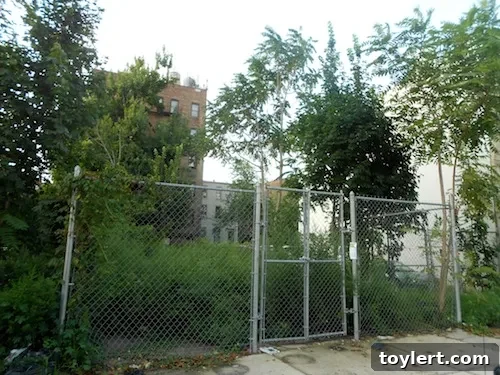
Cultivating Community: The Vision for 100 Quincy Street in Bed-Stuy
Neighbors Rally to Transform a Vacant Lot into a Vibrant Urban Oasis
An exciting new community initiative is taking root in the heart of Brooklyn, promising to transform a long-overlooked parcel of land into a thriving neighborhood asset. Residents across the vibrant Bed-Stuy and Clinton Hill areas are collaborating on an ambitious project: to convert a publicly owned vacant lot situated at 100 Quincy Street, strategically located near Franklin Avenue, into a dynamic community garden and multifaceted green space. This grassroots effort aims to revitalize an underutilized urban area, creating a valuable resource for local families, gardeners, and nature enthusiasts alike.
The momentum for this project is building, with neighbors eager to contribute their ideas and energy. The inaugural organizational meeting for this endeavor is set to take place directly at the site at 100 Quincy Street at 11 am on Sunday, August 12th. This crucial gathering will serve as a foundational step, allowing interested individuals to connect, discuss potential plans, and begin forming the volunteer network necessary to bring this inspiring vision to fruition. It’s a prime opportunity for anyone passionate about urban greening, community development, or simply contributing to the beauty of their neighborhood.
A Multifaceted Vision for an Urban Oasis
The potential for the 100 Quincy Street lot extends far beyond a traditional community garden. While growing fresh produce is undoubtedly a central element of the proposed plans, the organizing group is keen to explore a variety of concepts that will maximize the space’s utility and appeal to a diverse range of community members. Initial discussions have generated exciting ideas, including the establishment of a robust vegetable garden where residents can cultivate their own organic produce, fostering food security and promoting healthy eating habits.
Beyond cultivation, plans are being considered for developing a broader community green space. This area could serve as a tranquil retreat for relaxation, a vibrant common ground for casual gatherings, or a safe and engaging play area for children. Such a space would offer much-needed access to nature within an urban setting, enhancing the overall quality of life for residents. Furthermore, an innovative proposal to create an outdoor area specifically designed for screening films is gaining traction. Imagine warm summer evenings spent under the stars, enjoying movies with neighbors – transforming the lot into a unique open-air cinema that provides cultural enrichment and entertainment for all ages.
This comprehensive approach ensures that the revamped 100 Quincy Street lot will not merely be a garden but a truly inclusive urban oasis. It will be a place where food is grown, friendships blossom, ideas are exchanged, and memories are made. By combining elements of agriculture, recreation, and culture, the project aims to create a vibrant hub that reflects the diverse needs and aspirations of the Bed-Stuy and Clinton Hill communities, contributing significantly to the fabric of neighborhood life.
The Profound Benefits of Urban Community Gardens
The development of community gardens and green spaces like the one proposed for 100 Quincy Street offers an impressive array of environmental, social, and health benefits that resonate deeply within bustling urban environments. These spaces are far more than just patches of greenery; they are vital components of sustainable city living, providing tangible improvements to both the local ecosystem and the human experience.
Environmental Enhancements: From an ecological perspective, urban gardens play a crucial role in mitigating the challenges posed by dense cityscapes. They help combat the urban heat island effect by introducing vegetation that cools surrounding areas. The plants and soil absorb rainwater, reducing stormwater runoff and easing the burden on municipal drainage systems, which is especially important during heavy rainfall. Furthermore, these green sanctuaries improve air quality by absorbing pollutants and releasing oxygen, contributing to a healthier breathing environment. They also foster urban biodiversity, attracting essential pollinators like bees and butterflies, which are critical for broader ecosystem health, even in metropolitan settings. Transforming a barren vacant lot into a flourishing garden can significantly enhance the local microclimate and ecological balance.
Strengthening Social Fabric: Perhaps one of the most powerful impacts of a community garden is its ability to weave a stronger social fabric within a neighborhood. It provides a neutral, welcoming space where people from diverse backgrounds, ages, and cultures can come together, interact, and collaborate. Working side-by-side in a shared garden fosters a profound sense of collective ownership and pride. This shared endeavor naturally leads to new friendships, the exchange of knowledge (from gardening tips to recipes), and the strengthening of neighborhood bonds. Children learn the value of teamwork and the origins of their food, while adults find common ground, reducing feelings of isolation and promoting a more cohesive, resilient community. Increased community engagement in public spaces has also been linked to a reduction in local crime rates, as more “eyes on the street” create a safer environment for everyone.
Health and Well-being Advantages: For individual residents, a community garden like the one planned for 100 Quincy Street offers invaluable health and wellness benefits. It provides accessible opportunities for physical activity, encouraging residents to spend time outdoors, engage in light exercise, and enjoy fresh air – all known factors in stress reduction and improved mental health. The direct access to fresh, often organic, produce cultivated within the garden can significantly improve dietary habits and food security, particularly for families living in areas with limited access to affordable, nutritious options. Beyond physical health, the act of gardening itself is therapeutic; it offers a sense of accomplishment, connection to nature, and a calming escape from the daily grind of city life. Educational programming on sustainable gardening practices, composting, and healthy cooking can also empower residents with practical skills that promote a healthier, more self-sufficient lifestyle.
The Path to Realization: Organizing and Sustaining the Dream
Bringing the vision for 100 Quincy Street to life requires more than just good intentions; it demands structured organization, sustained effort, and strategic partnerships. The initial meeting on August 12th is paramount for gathering committed volunteers who will form the backbone of this project. These individuals will be instrumental in every phase, from the initial clean-up and site preparation to the design, planting, and ongoing maintenance of the garden and green space.
A crucial administrative step following the formation of a robust volunteer group will be to obtain the necessary license and secure the keys from the Department of Housing Preservation and Development (HPD). As the agency that currently owns the vacant lot, HPD’s cooperation is essential. Navigating municipal bureaucracy can be challenging, requiring clear communication, detailed proposals, and a consistent demonstration of the community’s commitment and long-term viability plans for the space. Advocacy through established channels and demonstrating broad community support will be key to unlocking access.
Beyond initial access, the long-term sustainability of the 100 Quincy Street project will hinge on securing adequate funding and resources. While volunteer labor is invaluable, materials such as nutrient-rich soil, gardening tools, seeds, lumber for raised garden beds, fencing, and water access infrastructure will all require financial investment. The organizing committee plans to actively pursue various funding avenues, including applications for local grants from environmental and community development organizations, crowdfunding campaigns within the neighborhood, and seeking partnerships with local businesses for donations or sponsorships. Expertise in landscape design, urban planning, project management, and community outreach will also be crucial, and professionals with these skills are strongly encouraged to lend their support.
To ensure the garden’s lasting success, establishing clear governance structures and operational guidelines will be vital. This includes forming a dedicated steering committee, outlining roles and responsibilities, creating a consistent maintenance schedule, and developing strategies for volunteer recruitment and retention. Implementing educational programs that train new gardeners and involve local schools can also foster a sense of ownership and ensure the garden remains a vibrant, intergenerational space for years to come. The effort to transform 100 Quincy Street is not just about planting seeds; it’s about cultivating a resilient community and fostering a lasting connection to green spaces within an ever-evolving urban landscape.
Bed-Stuy’s Enduring Legacy of Green Activism
The proposed community garden at 100 Quincy Street is not an isolated effort but rather a continuation of Bed-Stuy and Clinton Hill’s rich history of community activism and urban revitalization. These neighborhoods have long experienced cycles of development and change, with vacant lots often serving as potent symbols of neglect or unrealized potential. However, the residents of these areas have consistently demonstrated an unwavering commitment to reclaiming and repurposing these spaces for the collective good.
Across Brooklyn, and particularly within Bed-Stuy, a robust movement for community gardens and pocket parks has flourished over decades. These resident-led initiatives have transformed derelict spaces into beautiful, functional, and vital community assets. The 100 Quincy Street project stands on the shoulders of these successful endeavors, embodying the spirit of grassroots democracy where local concerns translate into collective action and tangible improvements to the urban environment. By transforming this specific lot, the Quincy Street project will contribute to a broader narrative of urban greening, demonstrating that with collective will, dedication, and strategic planning, even the smallest unused space can become a powerful catalyst for positive change and community empowerment within a bustling metropolitan area. The sustained support of neighbors and local institutions is indispensable for expanding this green revolution, making Bed-Stuy an even more sustainable, livable, and desirable place to call home.
Get Involved: Your Opportunity to Shape 100 Quincy Street
The success and vibrancy of the 100 Quincy Street community garden and green space depend entirely on the active participation and unwavering commitment of the Bed-Stuy and Clinton Hill communities. This is a truly grassroots initiative, and every voice, every pair of hands, and every idea can make a significant difference. If you are passionate about creating more green spaces, fostering community bonds, or simply want to contribute to a positive neighborhood transformation, your involvement is not just welcome, it’s essential.
The most important first step for interested residents is to attend the inaugural organizational meeting. This pivotal gathering will be held at the site at 100 Quincy Street at 11 am on Sunday, August 12th. This is your chance to meet like-minded neighbors, share your thoughts and ideas, learn more about the project’s goals, and sign up to become a part of the dedicated volunteer team. No prior gardening experience or specific skills are required – just a genuine willingness to contribute and a desire to see your neighborhood thrive.
For those seeking more information about publicly owned vacant lots in New York City and the broader movement for community land access, the 596 Acres link offers valuable insights and resources. This platform provides comprehensive details on the 100 Quincy Street lot and connects it to a wider network of urban greening advocacy groups. To easily locate the site for the upcoming meeting and plan your visit, a convenient Google Map (GMAP) link is also provided. Don’t miss this incredible opportunity to be a part of something truly special – a project that will enhance the beauty, ecological health, and community spirit of Bed-Stuy for generations to come. Your participation is the seed from which this urban dream will grow.