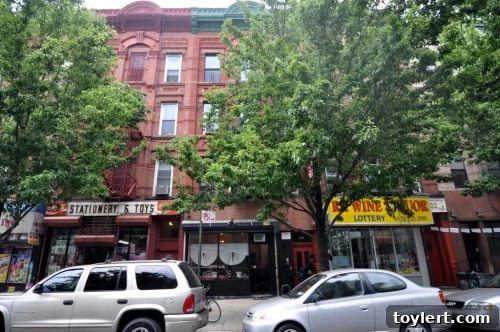
404 Tompkins Avenue: A Beacon of Brooklyn’s Enduring Charm and Architectural Legacy
(Photograph: Christopher Bride for Property Shark, 2012)
Brooklyn, New York, is a borough synonymous with vibrant communities, rich history, and distinctive architecture. While grand landmarks often capture the spotlight, it is the individual buildings, often unassuming yet brimming with character, that truly tell the story of this dynamic urban landscape. 404 Tompkins Avenue stands as a quintessential example of such a structure, embodying the spirit of Brooklyn’s evolving neighborhoods, one building at a time. This particular mixed-use property, featuring a retail storefront on the ground floor and residential flats above, offers a window into the architectural heritage and community life of Bedford-Stuyvesant.
The Heart of Bedford-Stuyvesant: Tompkins Avenue
Tompkins Avenue, nestled within the historic and culturally rich neighborhood of Bedford-Stuyvesant, commonly known as Bed-Stuy, serves as more than just a thoroughfare; it’s a vibrant artery of local commerce and community life. The avenue stretches through a landscape defined by tree-lined streets and magnificent brownstones, interspersed with commercial blocks that cater to the daily needs of its residents. For decades, Tompkins Avenue has been a crucial hub, fostering a sense of local identity and providing spaces for both businesses and homes.
Bedford-Stuyvesant itself boasts a storied past, deeply rooted in African American history and culture, particularly during the Harlem Renaissance. Its architectural fabric, largely composed of well-preserved 19th and early 20th-century row houses, including the iconic brownstones, reflects periods of significant growth and prosperity. The neighborhood has witnessed transformations, from a once-affluent suburban retreat to a cornerstone of Black culture, and more recently, a focus of Brooklyn’s revitalization efforts. Through all these changes, the fundamental character of places like Tompkins Avenue—a blend of residential tranquility and commercial energy—has persevered, making it an incredibly desirable location.
Architectural Snapshot: 404 Tompkins Avenue
The building at 404 Tompkins Avenue is a prime illustration of the prevalent mixed-use architecture that defines many of Brooklyn’s older commercial strips. Such properties were ingeniously designed to maximize urban space and serve the immediate needs of a burgeoning city. The ground floor, typically dedicated to commercial activity, provides crucial street-level engagement, drawing in foot traffic and serving as a community touchpoint. Above, the residential flats offer convenient urban living, often catering to shopkeepers themselves or other local residents seeking proximity to amenities and transportation.
While specific architectural details for 404 Tompkins Avenue would require a closer, on-site inspection, many buildings of its era in Bed-Stuy share common characteristics. These often include sturdy brick construction, a testament to their enduring quality, with decorative cornices that add a touch of elegance to the streetscape. Window styles might vary, from traditional sash windows on the upper floors providing light to the flats, to larger display windows on the ground floor designed to showcase retail merchandise. The integration of commercial and residential spaces is typically seamless, with separate entrances ensuring privacy for residents while maintaining a welcoming facade for customers.
The pragmatic design of buildings like 404 Tompkins Avenue reflects a time when urban planning prioritized functionality and efficiency. These structures were built to last, providing adaptable spaces that could evolve with the neighborhood’s needs. This resilience is a key factor in their continued relevance in contemporary Brooklyn, where the demand for both vibrant commercial spaces and accessible urban housing remains high.
The Evolution of a Community Asset
Buildings like 404 Tompkins Avenue are not just static structures; they are dynamic participants in the ongoing narrative of their communities. Over the decades, the retail storefront at this address has likely housed a myriad of businesses – perhaps a local bakery, a dry cleaner, a small grocery, or a community-focused service. Each iteration leaves its mark, contributing to the economic vitality and social fabric of Tompkins Avenue. These local businesses are often the lifeblood of a neighborhood, providing essential services, creating jobs, and fostering a sense of belonging among residents.
The residential flats above have likewise been home to countless individuals and families, each bringing their own stories and contributing to the diverse tapestry of Bed-Stuy. The proximity of living and working spaces inherently promotes a strong local economy, where residents can easily support neighborhood businesses and engage directly with their community.
The history of Bed-Stuy, marked by periods of both challenge and resurgence, is mirrored in the resilience of its architecture. Properties such as 404 Tompkins Avenue have weathered economic shifts, demographic changes, and urban development trends. Their continued presence signifies the enduring value placed on walkability, local commerce, and community-centric living – principles that are increasingly cherished in modern urban environments.
Modern Relevance and Investment Appeal in Brooklyn Real Estate
In today’s competitive Brooklyn real estate market, mixed-use properties like 404 Tompkins Avenue hold significant appeal for a variety of reasons. For investors, they represent a dual income stream – rental income from both commercial tenants and residential occupants – which can offer greater stability and diversification compared to single-purpose properties. The inherent flexibility of mixed-use zoning also allows for adaptability to changing market demands, making them attractive long-term assets.
For small business owners, securing a retail space on a vibrant street like Tompkins Avenue provides access to a loyal local customer base and the opportunity to become an integral part of the neighborhood’s identity. The residential component, in turn, caters to the growing demand for urban living spaces that offer convenience and a strong sense of community, often at a more accessible price point than single-family homes or luxury developments.
The ongoing revitalization of Bedford-Stuyvesant has further amplified the value of properties along its commercial corridors. Renewed investment in infrastructure, the proliferation of independent shops and eateries, and a diverse influx of new residents have breathed fresh life into the area, while striving to retain its historical essence. This blend of preservation and progress makes Bed-Stuy, and specifically thoroughfares like Tompkins Avenue, a highly sought-after location for both living and doing business.
The Enduring Charm of Brooklyn’s Architectural Heritage
The narrative of 404 Tompkins Avenue is, in essence, the narrative of Brooklyn itself – a story of evolution, resilience, and a deep-seated connection to community. These “building of the day” features highlight not just the aesthetic beauty of individual structures but their profound importance in shaping the urban environment and reflecting the lives of the people who inhabit them. They serve as tangible links to the past, while simultaneously offering adaptable spaces for the future.
As Brooklyn continues to grow and redefine itself, the preservation and appreciation of its historic architecture remain paramount. Buildings like 404 Tompkins Avenue, with their humble yet powerful presence, remind us that true urban character stems from the unique details of each block, each street, and each individual structure. They are the silent witnesses to generations of life, commerce, and community building, and their continued existence ensures that the authentic spirit of Brooklyn endures.
Exploring 404 Tompkins Avenue is more than just appreciating a building; it’s an invitation to understand the layers of history, culture, and economic activity that have shaped one of Brooklyn’s most beloved neighborhoods. It’s a tribute to the enduring charm and architectural legacy that makes Brooklyn truly unique.