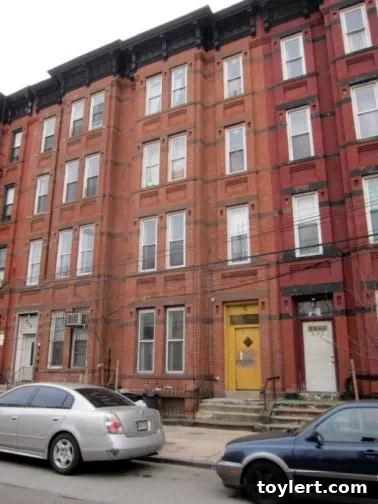
Architectural Gems: Exploring the Historic Flats Buildings at 506-514 Greene Avenue, Brooklyn
Brooklyn, a borough renowned for its rich history and diverse architectural tapestry, continues to enchant residents and visitors alike with its beautifully preserved structures. Among the countless buildings that tell the story of its past, the historic flats buildings located at 506-514 Greene Avenue stand out as quintessential examples of the city’s residential development. These structures are more than just homes; they are a vibrant chapter in Brooklyn’s ongoing narrative, showcasing architectural elegance and the enduring spirit of its communities. Join us as we delve into the charm and significance of these remarkable Greene Avenue buildings, exploring their design, history, and lasting impact on the vibrant neighborhood.
Greene Avenue’s Architectural Heritage: A Glimpse into Brooklyn’s Past
Greene Avenue, particularly in the Stuyvesant Heights and Bedford-Stuyvesant sections, is a street steeped in architectural splendor. Lined with stately brownstones, classic row houses, and elegant apartment buildings, it offers a visual journey through Brooklyn’s development from the late 19th to the early 20th century. The flats buildings at 506-514 Greene Avenue perfectly embody this rich heritage, reflecting the prevailing architectural trends and the aspirations of a growing middle class during their construction period. These buildings, often characterized by their multi-story layouts designed to house several families, were instrumental in shaping the urban fabric of neighborhoods like Bed-Stuy.
The concept of “flats” or apartment buildings gained significant popularity in Brooklyn as the borough experienced rapid population growth. They offered a practical and often more affordable alternative to single-family brownstones, catering to a diverse demographic that sought modern conveniences within a burgeoning urban environment. The buildings at 506-514 Greene Avenue are prime examples of this architectural shift, providing well-designed living spaces that contributed to the area’s robust residential character.
Unveiling the Architectural Details: Design and Craftsmanship
The flats buildings at 506-514 Greene Avenue are notable for their distinctive architectural features, which speak volumes about the craftsmanship and design philosophies prevalent during their construction era. While specific architectural styles can vary significantly even within a single block, many of Brooklyn’s late 19th and early 20th-century apartment buildings often incorporate elements of Romanesque Revival, Queen Anne, or simplified Neo-Grec styles, alongside more functional designs tailored for multi-family living. These buildings typically feature:
- Facade Materials: Often constructed with durable materials such as brick, often accented with brownstone or terra cotta details around windows, cornices, and entranceways. The contrasting materials add visual interest and texture to the streetscape.
- Window Treatments: Large, often double-hung windows are characteristic, designed to maximize natural light within the apartments. Intricate lintels, sills, and decorative surrounds can be observed, adding a touch of elegance. Bay windows are also common, extending the living space and offering wider views of the avenue.
- Cornices and Rooflines: Elaborate cornices, often made of pressed metal or stone, adorn the top of the buildings, providing a decorative finish and defining the building’s profile against the sky. These elements showcase the era’s attention to decorative detail.
- Entrances and Stoops: The main entrances are typically grand, often featuring heavy wooden doors, transom windows, and sometimes decorative ironwork. While not always possessing the long stoops of traditional brownstones, the entrances are designed to be welcoming and aesthetically pleasing, often recessed or featuring a modest rise from the sidewalk.
- Overall Proportions: These buildings typically rise three to five stories, maintaining a human scale that integrates seamlessly with the surrounding residential architecture. Their thoughtful proportions contribute to the harmonious streetscape of Greene Avenue.
The collective presentation of these buildings forms a cohesive and attractive street frontage, illustrating a period when urban residential design prioritized both functionality and aesthetic appeal. Each detail, from the choice of brick to the design of the window sills, tells a story of an era committed to durable and beautiful construction.
The Evolution of a Neighborhood: Greene Avenue and Its Inhabitants
The history of 506-514 Greene Avenue is inextricably linked to the broader evolution of the Stuyvesant Heights and Bedford-Stuyvesant neighborhoods. In the late 19th century, areas like Stuyvesant Heights became increasingly desirable residential enclaves for Brooklyn’s growing professional class and affluent families. Developers responded to this demand by constructing elegant row houses and later, apartment buildings like those on Greene Avenue, offering modern amenities and convenient access to Manhattan via Brooklyn’s expanding transportation network.
As the 20th century progressed, Bedford-Stuyvesant became a vibrant cultural center, particularly for the African American community, following the Great Migration. The flats buildings, including those at 506-514 Greene Avenue, became home to a diverse array of families, artists, educators, and professionals, contributing to the rich social fabric of the neighborhood. These buildings witnessed significant cultural shifts, economic changes, and community movements, becoming silent observers of the lives lived within their walls and the historical events unfolding around them.
Today, Greene Avenue continues to be a highly sought-after location, admired for its architectural integrity, tree-lined streets, and strong community spirit. The presence of buildings like 506-514 Greene Avenue reminds us of the continuous layers of history that define Brooklyn, where past and present coexist in a dynamic urban environment. The preservation efforts by both individual homeowners and community groups have helped maintain the street’s distinctive character, ensuring that these architectural treasures can be appreciated for generations to come.
The Significance of “Flats Buildings” in Brooklyn’s Urban Landscape
The term “flats buildings” might seem simple, but it represents a crucial stage in urban development and housing innovation. Unlike the more sprawling mansions or even the traditional brownstone, flats buildings offered a compact, efficient, and often luxurious way of living for a rapidly urbanizing population. They maximized land use without sacrificing comfort, providing multiple independent units within a single structure. This model became a cornerstone of residential growth in cities like Brooklyn, allowing for higher population densities while still offering a sense of community.
The buildings at 506-514 Greene Avenue are perfect exemplars of this model. They are not merely functional structures but embody a design philosophy that sought to combine practicality with aesthetic appeal. Their multi-family nature fostered a sense of neighborliness and shared living experiences, contributing to the vibrant street life that Brooklyn is famous for. Each unit, while self-contained, contributes to the collective identity of the building and, by extension, the block.
Furthermore, these buildings represent a tangible link to the economic and social history of Brooklyn. They stand as testaments to the skill of the architects and builders who crafted them and the enduring resilience of the communities that have called them home. Their continued presence provides a valuable educational resource, allowing current and future generations to understand the evolution of urban housing and the architectural trends that shaped one of America’s most iconic boroughs.
Preserving Brooklyn’s Architectural Legacy: The Role of 506-514 Greene Avenue
The maintenance and appreciation of historic structures like those at 506-514 Greene Avenue are vital for preserving Brooklyn’s unique character. These buildings serve as an important reminder of the craftsmanship and architectural styles of previous eras, offering a tangible connection to the past that helps define the present identity of the neighborhood. Efforts to restore and maintain these properties ensure that their original beauty and structural integrity are preserved, allowing them to continue contributing positively to the visual and cultural landscape of Greene Avenue.
As Brooklyn continues to evolve, the recognition and celebration of its architectural gems become even more crucial. The flats buildings at 506-514 Greene Avenue, with their elegant facades and historical depth, are not just structures; they are monuments to the borough’s enduring legacy. They stand as a testament to the idea that thoughtful design and durable construction can withstand the test of time, continuing to serve and inspire generations.
Conclusion: An Enduring Icon on Greene Avenue
The flats buildings at 506-514 Greene Avenue are more than just a cluster of addresses; they are integral components of Brooklyn’s storied architectural heritage. From their meticulously crafted facades to their deep roots in the community’s history, these buildings offer a compelling narrative of urban development, social change, and enduring beauty. They embody the spirit of “Brooklyn, one building at a time,” showcasing how individual structures contribute to the grand mosaic of a borough celebrated for its distinct character and timeless charm. As you walk along Greene Avenue, take a moment to appreciate these architectural masterpieces, for they are truly living embodiments of Brooklyn’s past, present, and future.