Navigating New York: Key Headlines and Urban Insights from Recent Reports
Stay informed with a comprehensive overview of critical developments shaping New York City and its vibrant boroughs. This curated collection of news highlights from leading publications covers a diverse range of topics, from community activism and vital infrastructure challenges to educational policies and everyday urban living. Explore in-depth summaries of the issues impacting New Yorkers, offering context and insight into the city’s dynamic landscape. From legal battles following significant protests to the practicalities of reopening schools and the ongoing fight against urban pests, these reports provide a snapshot of the city’s resilience, challenges, and continuous evolution. Delve into the details of these stories and understand the pulse of NYC.
-
Understanding the Aftermath: What Followed New York Protest Arrests
In a period marked by significant social unrest and widespread demonstrations across New York City, a report from The New York Times on August 7, 2020, shed crucial light on the experiences of individuals apprehended during these powerful protests. The article meticulously detailed the journey of those arrested, moving beyond the immediate events to explore the subsequent legal processes, personal consequences, and broader societal implications. It provided a vital look into the judicial system’s response, examining aspects such as arraignments, bail proceedings, the availability of legal counsel, and the challenges faced by activists navigating the legal framework.
This deep dive offered essential insights into civil liberties, police-community relations, and the right to peaceful assembly within one of the world’s largest cities. By chronicling the stories of these individuals, the report contributed significantly to the ongoing discourse surrounding police accountability and judicial fairness, particularly during a time when public scrutiny of law enforcement practices was at an all-time high. It highlighted the human element behind the headlines, providing a nuanced perspective on the impact of protest arrests on both individuals and the wider New York community seeking social justice reform.
Original Source: They Were Arrested During the Protests. Here’s What Happened Next [The New York Times]
-
New York Schools Set to Reopen: A Contrasting Approach Amidst U.S. Uncertainty
Amidst a backdrop of nationwide uncertainty regarding school reopenings, New York Governor Andrew Cuomo announced on August 7, 2020, that schools across the state would be permitted to resume in-person learning. This decision marked a significant contrast to many other regions across the United States, where concerns over public health and safety protocols led to widespread delays or transitions to fully remote instruction. The announcement signaled New York’s careful and measured approach, emphasizing strict health guidelines and local district planning to ensure the well-being of students and staff.
The governor’s mandate required districts to meet specific infection rate thresholds and submit comprehensive reopening plans detailing safety measures, including social distancing, mask-wearing, enhanced cleaning, and robust testing and contact tracing protocols. This forward-looking decision aimed to balance educational continuity with public health imperatives, providing clarity and a structured path forward for millions of students, parents, and educators across New York. The focus was on creating safe learning environments while mitigating the risks associated with the ongoing global health crisis, highlighting New York’s unique strategy in navigating unprecedented educational challenges.
Original Source: New York Schools Can Reopen, Cuomo Says, in Contrast With Much of U.S. [The New York Times]
-
Community Steps Up: New Yorkers Revitalize Scrapped Composting Efforts
When New York City’s municipal composting program faced budget cuts and was temporarily suspended, a dedicated group of New Yorkers refused to let their organic waste go to landfills. A New York Times article from August 9, 2020, highlighted how these proactive citizens and community organizations swiftly picked up the slack, illustrating the city’s enduring spirit of environmental stewardship and collective action. Their initiatives underscored a deep commitment to sustainability, even when official programs faced setbacks due to economic pressures.
From establishing local drop-off points to organizing volunteer-run collection services, these community-led efforts ensured that food scraps and yard waste continued to be diverted from the waste stream. This grassroots movement not only maintained the environmental benefits of composting, such as reducing landfill waste and producing nutrient-rich soil, but also fostered stronger neighborhood bonds and demonstrated the power of citizen engagement. It showcased how individuals and local groups can innovatively sustain vital environmental services, advocating for a greener, more resilient New York and proving that commitment to sustainable practices thrives even in challenging times.
Original Source: Composting Has Been Scrapped. These New Yorkers Picked Up the Slack [The New York Times]
-
MTA’s Asbestos Woes: Brooklyn Bus Depot’s Patch Job Fails
A troubling report from the New York Daily News on August 9, 2020, exposed a critical failure in the Metropolitan Transportation Authority’s (MTA) handling of hazardous materials at a significant Brooklyn facility. The article detailed how an “asbestos patch job” at the giant East New York Bus Depot had alarmingly “busted open,” raising serious health and safety concerns for MTA workers and the surrounding community. This incident underscored ongoing challenges with infrastructure maintenance and environmental compliance within the city’s transit system.
The revelation sparked immediate alarm regarding worker exposure to asbestos, a known carcinogen, and questioned the adequacy of the MTA’s maintenance protocols and its commitment to employee safety. The report called for immediate action and greater transparency from transit authorities, prompting demands for thorough investigations and comprehensive remediation efforts. This event highlighted the critical importance of proper handling of hazardous materials in public facilities and the need for robust oversight to protect the health and well-being of essential workers in New York City’s vital transportation network.
Original Source: MTA’s Asbestos Patch Job at Giant East New York Bus Depot Busts Open [New York Daily News]
-
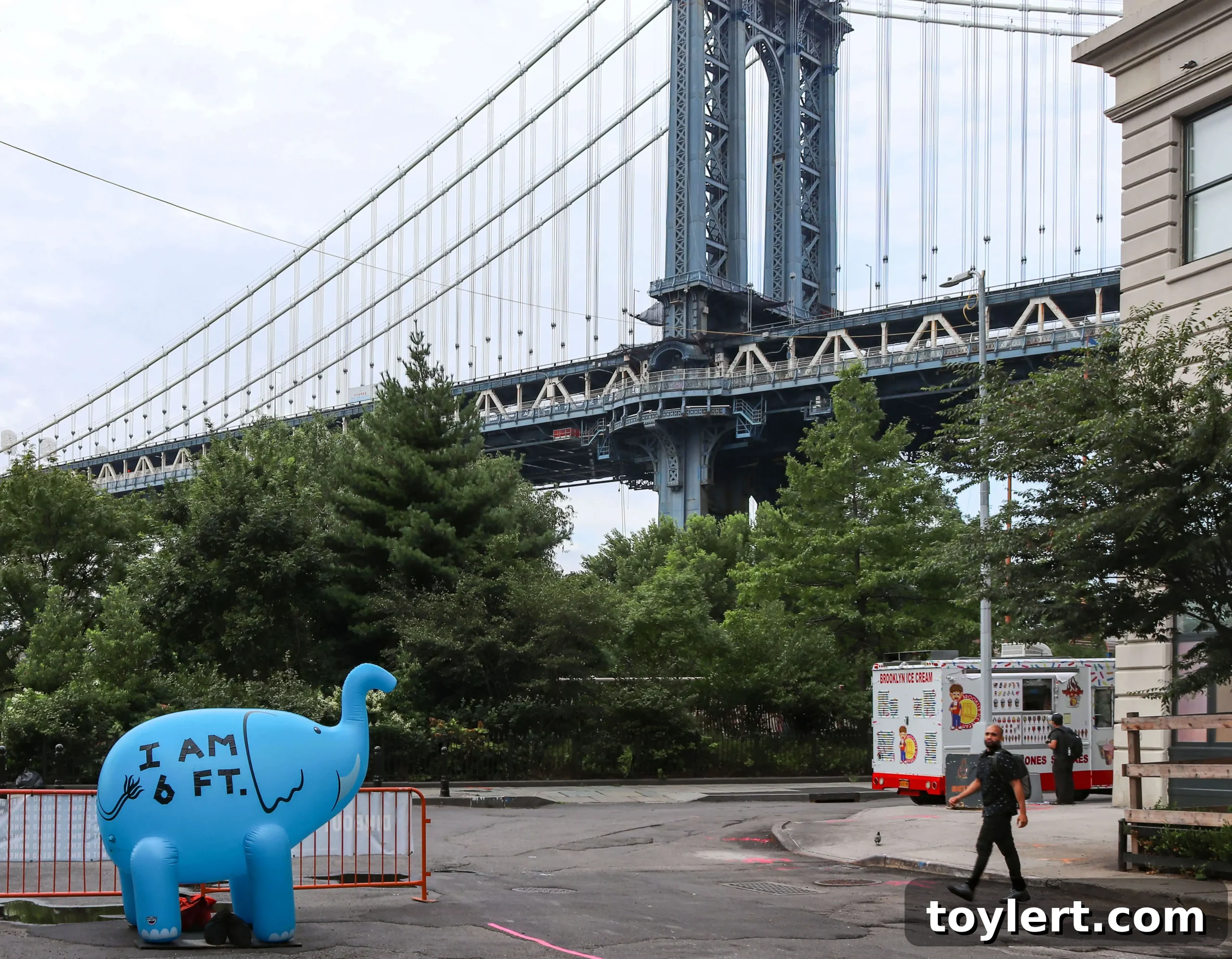
Dumbo Ice Cream Trucks Cause Havoc: Residents Voice Misery Over Rule Breaking
Residents of Dumbo, Brooklyn, found their summer tranquility disrupted by rogue ice cream trucks, as reported by the Brooklyn Eagle on August 7, 2020. The article detailed how these vendors were openly flaunting city regulations, creating significant nuisances for local residents and leading to widespread complaints. The issue highlighted a recurring urban challenge where commercial activity can infringe upon the quality of life in residential areas, particularly in popular tourist destinations.
Complaints ranged from excessive noise pollution and illegal parking that blocked traffic and crosswalks, to environmental concerns like litter and exhaust fumes. The trucks’ disregard for established rules, designed to maintain order and resident comfort, sparked calls for increased enforcement and a more permanent solution to the persistent problem. This situation in Dumbo showcased the ongoing tension between vibrant street commerce and the need to preserve peace and order for those who call these dynamic neighborhoods home, emphasizing the necessity of effective urban planning and regulatory oversight for the benefit of all.
Original Source: Dumbo Ice Cream Trucks Flaunt Rules, Make Residents Miserable [Brooklyn Eagle]
-
Dead Horse Bay Shut Down Due to Radioactive Contamination Concerns
Dead Horse Bay, a notorious and historically intriguing stretch of shoreline in Brooklyn, was abruptly closed to the public due to the discovery of radioactive contamination, as reported by The Brooklyn Paper. This alarming announcement raised significant environmental and public health concerns, reinforcing the bay’s long-standing reputation as a site of peculiar and hazardous urban detritus. The closure highlighted the lasting impact of historical industrial practices and uncontrolled waste disposal on New York City’s natural areas.
The presence of radioactive materials necessitated immediate action, prompting investigations into the source and extent of the contamination. This development not only posed risks to visitors but also raised questions about the ecological health of the bay and its surrounding ecosystems. Dead Horse Bay, known for its unique collection of antique glass bottles and discarded items dating back to the city’s past, added another layer to its complex history with this discovery. The incident underscored the critical need for environmental monitoring and remediation efforts to safeguard public lands and mitigate the hidden dangers lurking beneath the surface of urban landscapes.
Original Source: Dead Horse Bay Closed Because of Radioactive Contamination [The Brooklyn Paper]
-
NYC Scrambles to Find New School Space Amidst Pandemic Demands
As New York City prepared for the challenging task of reopening schools during an unprecedented global health crisis, a report from The City on August 7, 2020, revealed the intensive efforts to secure adequate new school space. The pandemic’s requirements for social distancing and reduced classroom density meant that existing school buildings were often insufficient, prompting an urgent search for additional facilities to safely accommodate students and educators across the five boroughs.
The scramble involved identifying and repurposing various available spaces, from community centers and vacant storefronts to libraries and even outdoor areas, to create safe and functional learning environments. This logistical challenge highlighted the immense pressure on the city’s Department of Education and local authorities to innovate and adapt quickly, ensuring that educational services could continue while prioritizing public health. The initiative underscored the city’s commitment to providing accessible education during extraordinary times, demonstrating the flexibility and resourcefulness required to maintain learning continuity in the face of significant spatial and health constraints.
Original Source: NYC Scrambles to Find New School Space [The City]
-
Return of the Rats: Budget Cuts Mean a Free Lunch for Rodents in NYC
A worrying trend emerged in New York City with a report from The City on August 9, 2020, signaling the “Return of the Rats.” The article directly linked an increase in rodent activity across the city to recent budget cuts affecting sanitation services and pest control programs. This development underscored a classic urban challenge exacerbated by financial constraints, highlighting the delicate balance required to maintain public hygiene and control urban wildlife populations in a dense metropolitan environment.
Reduced street cleaning schedules, fewer trash pickups, and cuts to rodent extermination efforts created ideal conditions for rat populations to flourish, finding ample food sources and shelter. The issue not only posed public health concerns but also impacted the overall quality of life for New Yorkers, particularly in neighborhoods already struggling with sanitation issues. This report served as a stark reminder that even seemingly minor budget adjustments can have significant and visible consequences on urban infrastructure and daily living, emphasizing the importance of robust public services in combating persistent city problems like rodent infestations.
Original Source: Return of the Rats: Budget Cuts Means a Free Lunch for Rodents [The City]
-
Brooklyn’s ‘Back the Blue’ March Takes an Ugly Turn with Teen Assault
A “Back the Blue” march in Brooklyn, intended to show support for law enforcement, regrettably took an “ugly turn” when a teenager was assaulted, as reported by amNY. The incident, which occurred during the latest demonstration, marred the event’s purpose and sparked widespread concern about public safety and the potential for violence during emotionally charged gatherings. This report highlighted the escalating tensions surrounding civil discourse and demonstrations in New York City.
The assault quickly overshadowed the march’s original intent, drawing condemnation and calls for accountability. It underscored the fragile nature of public assemblies and the critical need for peaceful conduct from all participants, regardless of their political stance. The incident prompted renewed discussions about maintaining order during demonstrations and ensuring the safety of all individuals present, including counter-protesters and bystanders. It served as a somber reminder of how quickly public events can devolve into conflict, emphasizing the importance of respect and de-escalation in a city grappling with diverse viewpoints and social challenges.
Original Source: Latest ‘Back the Blue’ March in Brooklyn Takes an Ugly Turn [amNY]
-
Brownsville Leaders Influence Selection of Police Commander, Signaling Reform Efforts
In a significant step towards community-led policing reform, leaders in Brownsville, Brooklyn, played a pivotal role in selecting their new police commander, according to a Gothamist report. This collaborative approach represented a notable shift in how police leadership appointments are made in New York City, moving towards greater community involvement and accountability. The initiative reflected a broader push for transparent and responsive law enforcement that prioritizes local needs and perspectives.
The ability of Brownsville community representatives to have a direct say in who commands their local precinct underscored a growing recognition of the importance of trust and partnership between law enforcement and the neighborhoods they serve. This collaborative selection process aimed to foster a stronger relationship between the NYPD and Brownsville residents, enhancing mutual understanding and paving the way for more effective crime prevention strategies tailored to the community’s unique challenges. It marked a promising development in the ongoing efforts to reform policing practices and empower local voices in critical decisions affecting public safety in New York City.
Original Source: Brownsville Leaders Got Their Pick of Police Commander [Gothamist]
-
Polish Anti-Authoritarian Signs Emerge in Greenpoint, Reflecting Local Activism
Greenpoint, Brooklyn, a neighborhood renowned for its vibrant Polish community, witnessed the emergence of “Polish Anti-Authoritarian Signs,” as reported by Greenpointers. These signs, appearing in public spaces, symbolized a local expression of solidarity with anti-authoritarian movements and ideals, possibly reflecting broader political or social sentiments both within the diaspora and in their homeland. The presence of these messages highlighted Greenpoint’s dynamic cultural and political landscape, often serving as a unique nexus for international and local activism.
The appearance of such signage sparked curiosity and conversation among residents, pointing to the ongoing dialogue about freedom, governance, and human rights that resonates deeply within the community. It underscored how public art and anonymous displays can serve as powerful tools for expressing dissent and promoting solidarity. This cultural manifestation in Greenpoint showcased the intersection of global political currents with local urban life, reminding New Yorkers of the diverse voices and perspectives that contribute to the city’s rich tapestry of social and political engagement.
Original Source: Polish Anti-Authoritarian Signs Pop Up in Greenpoint [Greenpointers]
-
Bushwick Loft Living: A Year in a Warehouse Transformed
A compelling narrative from The Cut (New York Magazine) offered a glimpse into “A Year in a Loft in Bushwick,” capturing the essence of living in one of Brooklyn’s most artistic and rapidly evolving neighborhoods. The article likely explored the unique challenges and creative freedoms associated with transforming industrial warehouse spaces into unconventional homes. It painted a vivid picture of the Bushwick lifestyle, characterized by its bohemian spirit, thriving arts scene, and distinct urban aesthetic.
The piece delved into the personal experiences of residents embracing loft living, touching upon themes of community, artistic expression, and adapting to a repurposed industrial environment. It highlighted how individuals find creative ways to inhabit and personalize these expansive spaces, often fostering a sense of camaraderie among fellow artists and creatives. This exploration of Bushwick’s residential landscape provided valuable insight into the allure of alternative living arrangements in New York City and the ongoing cultural transformation of a neighborhood celebrated for its unique character and vibrant community of makers and innovators.
Original Source: A Year in a Loft in Bushwick [New York Magazine]
-
New Development in Boerum Hill: Permits Filed for Nine-Story Mixed-Use Building
New York YIMBY reported on August 8, 2020, that permits had been filed for a new nine-story mixed-use building at 82nd 4th Avenue in Boerum Hill, Brooklyn. This development signals continued growth and investment in the desirable neighborhood, reflecting the ongoing evolution of its urban fabric. The proposed structure, combining residential and commercial spaces, aims to contribute to Boerum Hill’s vibrant street life and expand its housing options.
The filing of these permits marks a crucial step in the construction process, outlining plans for a significant addition to the area’s skyline. Mixed-use developments are vital for fostering dynamic communities, providing both living spaces and convenient access to retail or office facilities. This project in Boerum Hill underscores Brooklyn’s persistent appeal for urban development, offering modern amenities and contributing to the neighborhood’s economic vitality and population growth. It represents another chapter in New York City’s continuous architectural transformation, balancing historical charm with contemporary urban living demands.
Original Source: Permits Filed for Nine-Story Mixed-Use Building in Boerum Hill [New York YIMBY]