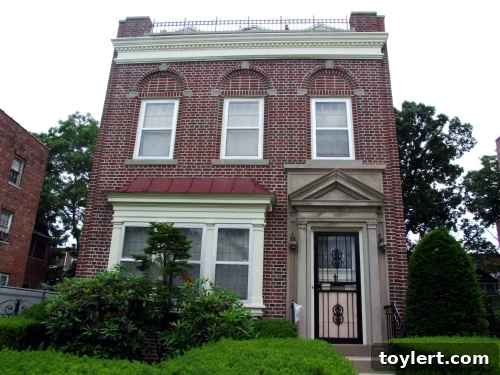
Discovering Brooklyn’s Enduring Charm: A Deep Dive into a Private House on Midwood Street
Brooklyn, one building at a time. This philosophy encapsulates the very essence of what makes New York City’s most populous borough so captivating. Beyond the iconic bridges and vibrant cultural scene, Brooklyn’s true character often resides in its architecture—specifically, its remarkable collection of private homes. Each building tells a story, contributing to a rich tapestry of history, community, and enduring design. Today, we turn our attention to one such gem: a private house on Midwood Street, an exemplar of the architectural heritage that defines countless Brooklyn neighborhoods.
Midwood Street, like many tree-lined avenues throughout the borough, is more than just a thoroughfare; it’s a testament to Brooklyn’s storied past and a vibrant stage for contemporary life. This particular private house, a silent sentinel of the street, offers a window into the craftsmanship and aesthetic sensibilities that shaped the borough from the late 19th to early 20th centuries. It’s a prime example of the kind of residential architecture that fosters a strong sense of place and community.
The Allure of Brooklyn’s Residential Architecture: A Historical Perspective
Brooklyn’s architectural landscape is incredibly diverse, reflecting various eras of development and changing tastes. From the grand brownstones of Park Slope and Fort Greene to the whimsical Queen Anne and Victorian homes of Ditmas Park and Prospect Lefferts Gardens, the borough offers a living museum of styles. These homes were often built for a burgeoning middle class, eager to escape the congestion of Manhattan and embrace a more suburban, yet still urban, lifestyle. The focus was on quality craftsmanship, durable materials, and designs that conveyed both elegance and comfort.
The late 19th century, in particular, was a golden age for residential construction in Brooklyn. The extension of public transportation, such as streetcars and elevated trains, opened up new areas for development. Developers and architects created cohesive streetscapes, often employing a limited palette of materials—primarily brick, brownstone, and limestone—but achieving immense variety through decorative details, rooflines, and window treatments. A private house on Midwood Street likely hails from this prolific period, embodying the architectural spirit of its time.
Unveiling the Character of a Midwood Street Home
While the specific details of a particular private house on Midwood Street might vary, we can generally paint a vivid picture based on the typical homes found in areas like Prospect Lefferts Gardens or Victorian Flatbush, where Midwood Street is a prominent feature. Imagine a stately structure, often constructed from rich brick or a combination of brick and brownstone. Its facade might boast intricate details that speak volumes about the era it was built:
- Grand Stoop: A signature feature of many Brooklyn homes, a high stoop leading to the main entrance offers both privacy and an elevated view of the street, fostering a sense of grandeur.
- Bay Windows: Frequently extending outwards, these windows not only enhance the exterior aesthetic but also flood the interior with natural light, creating bright and inviting living spaces.
- Decorative Cornices: Ornate elements running along the roofline, often made of pressed metal or carved stone, add a touch of classical elegance.
- Original Woodwork: Inside, the house would likely feature original hardwood floors, intricate moldings, pocket doors, and fireplaces with decorative mantels, showcasing the fine craftsmanship of the past.
- Generous Layouts: These homes were designed for spacious living, often featuring multiple floors, formal living and dining rooms, and generous bedrooms, ideal for families.
Such a private house is not just a dwelling; it’s a piece of art, meticulously designed and built to last. It stands as a testament to an era when attention to detail and enduring quality were paramount in home construction.
Midwood Street: A Neighborhood Tapestry of History and Community
Midwood Street itself contributes significantly to the appeal of these homes. Often characterized by mature trees that canopy the sidewalks, it creates a serene and picturesque environment. The street is typically part of a larger, well-established neighborhood, rich in history and community spirit. Residents enjoy the tranquility of residential living while still having convenient access to Brooklyn’s numerous amenities.
Proximity to iconic green spaces like Prospect Park is a major draw for these neighborhoods. The park offers an urban oasis with expansive lawns, walking trails, and recreational facilities, enriching the quality of life for those living nearby. Local shops, cafes, and diverse restaurants further enhance the neighborhood’s appeal, providing a blend of historic charm and modern convenience. This harmonious coexistence is what truly makes a private house on Midwood Street more than just an address—it’s a lifestyle.
The Enduring Craftsmanship and Architectural Details
What truly sets these Brooklyn homes apart is the unparalleled craftsmanship embedded in every detail. Builders of the late 19th and early 20th centuries took immense pride in their work, evident in the lasting quality of the structures. Consider the following elements:
- Brickwork: Often laid in intricate patterns like Flemish bond or common bond, the brickwork is not merely structural but also a decorative feature, showcasing the masons’ skill.
- Brownstone and Limestone Accents: Used for lintels, sills, and decorative carvings, these stones provide a striking contrast to the brick and add a layer of sophistication.
- Window and Door Frames: Typically crafted from solid wood, these elements were often adorned with moldings and sometimes stained glass transoms, adding character and curb appeal.
- Interior Millwork: Beyond the exterior, the interiors often feature elaborate staircases with carved newel posts, wainscoting, and built-in cabinetry, all testament to a bygone era of artisanal skill.
These details, carefully preserved or meticulously restored, are what give a private house its soul, connecting occupants to generations of past residents and builders. They are a tangible link to Brooklyn’s architectural legacy.
Preservation and Modern Living: A Delicate Balance
Owning a historic private house in Brooklyn comes with a unique set of responsibilities and rewards. The challenge lies in balancing the preservation of historical integrity with the demands of modern living. Many owners are dedicated stewards of their homes, undertaking thoughtful renovations that respect the original architecture while incorporating contemporary conveniences.
This might involve updating kitchens and bathrooms with period-appropriate materials or modern designs that complement the existing structure, improving energy efficiency without compromising the facade, or restoring original features like fireplaces and stained glass. Community groups and historical societies play a crucial role in supporting these efforts, offering resources and guidance on preserving Brooklyn’s architectural treasures. The pride of living in a beautifully maintained historic home, contributing to the visual splendor of the neighborhood, is an unparalleled reward.
Investing in Brooklyn’s Heritage: More Than Just Real Estate
For many, purchasing a private house on Midwood Street, or any similar historic Brooklyn home, is more than just a real estate transaction; it’s an investment in heritage, community, and a unique way of life. These homes offer spaciousness often hard to find in newer constructions, coupled with a character that modern buildings rarely replicate. They are a tangible connection to Brooklyn’s rich past, offering residents a sense of belonging to a vibrant and enduring story.
The value of these homes extends beyond their market price. It encompasses the sense of community found on tree-lined streets, the access to cultural institutions, parks, and diverse culinary experiences, and the sheer joy of living in a home that breathes history. As Brooklyn continues to evolve, these private houses stand as anchors, reminding us of the borough’s architectural prowess and its enduring appeal.
Embracing the Spirit of Brooklyn, One Home at a Time
The journey of exploring Brooklyn, one building at a time, reveals a profound appreciation for its architectural legacy. A private house on Midwood Street is not just a structure; it’s a narrative woven into the fabric of its street, its neighborhood, and the broader identity of Brooklyn. It stands as a symbol of craftsmanship, community, and the timeless appeal of well-designed residential spaces.
Whether you’re an architectural enthusiast, a prospective homeowner, or simply someone who appreciates the beauty of historic urban landscapes, these private houses invite contemplation and admiration. They are living testaments to Brooklyn’s past, vibrant contributors to its present, and cherished foundations for its future. To truly understand Brooklyn, one must walk its streets, admire its homes, and appreciate the individual stories each building silently shares.
For more insights into Brooklyn’s historic homes and architectural styles, consider exploring local preservation societies and online architectural archives. Delving into the specific history of your chosen neighborhood can reveal even more fascinating details about these magnificent structures.