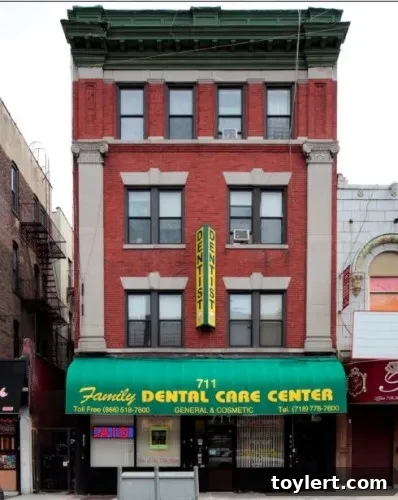
711 Nostrand Avenue: A Glimpse into Brooklyn’s Enduring Architectural Heritage
Brooklyn, one building at a time, reveals a rich tapestry of history, community, and architectural ingenuity. Among its myriad structures, certain buildings stand out not just for their aesthetic appeal but for their profound embodiment of the borough’s evolving spirit. One such emblematic structure is the commercial building with flats above located at 711 Nostrand Avenue. This edifice, like many of its contemporaries, tells a story of urban growth, economic vitality, and the enduring appeal of mixed-use living in one of New York City’s most dynamic boroughs.
The Enduring Charm of Mixed-Use Architecture in Brooklyn
The concept of a commercial building with residential flats above is far from novel; it’s a foundational element of urban planning that dates back centuries. In Brooklyn, particularly along bustling corridors like Nostrand Avenue, this architectural model flourished during the late 19th and early 20th centuries. These buildings were designed to maximize efficiency and convenience, placing essential services and shops at street level, directly accessible to residents living just upstairs. This design fostered a strong sense of local community, allowing residents to walk downstairs for their daily necessities, from groceries to dry cleaning, and interact with their neighbors and local shopkeepers.
711 Nostrand Avenue: A Testament to Urban Living
Located in the heart of Brooklyn, 711 Nostrand Avenue represents this pragmatic yet charming approach to urban development. Its design, typical of the era, likely features durable materials such as brick, often adorned with period-specific details that reflect the architectural trends of the time, whether they lean towards Neo-Renaissance, Romanesque Revival, or simpler, utilitarian designs with subtle embellishments. These details might include decorative cornices, intricate window moldings, or classical pilasters framing the storefronts, all contributing to the building’s unique character and visual appeal.
Such structures are more than just bricks and mortar; they are living monuments to Brooklyn’s past and vibrant contributors to its present. They demonstrate an early understanding of sustainable urbanism, minimizing commutes and creating self-sufficient micro-neighborhoods long before the term became popular.
Nostrand Avenue: A Historic Commercial Corridor
Nostrand Avenue itself is a storied thoroughfare, stretching through several of Brooklyn’s diverse neighborhoods, including the culturally rich Crown Heights. For decades, it has served as a primary artery for commerce, transportation, and community life. The presence of buildings like 711 Nostrand Avenue underscores the avenue’s historical importance as a hub for local businesses and a desirable residential location. Early streetcar lines and later bus routes further cemented Nostrand Avenue’s role as an accessible and convenient place to live and work, drawing a steady stream of residents and entrepreneurs.
The Evolution of a Neighborhood
The area surrounding 711 Nostrand Avenue has witnessed significant transformation over the decades, mirroring Brooklyn’s broader demographic and economic shifts. From a bustling immigrant gateway to a vibrant center for diverse communities, Crown Heights has continually reinvented itself. Buildings like 711 Nostrand Avenue have remained steadfast through these changes, adapting to new commercial needs on the ground floor while continuing to provide essential housing above. This resilience is a hallmark of Brooklyn’s architectural legacy, where structures are not merely static monuments but dynamic spaces that evolve with the city.
Today, Nostrand Avenue continues to thrive, boasting a mix of long-standing family businesses, trendy new establishments, and essential services. The commercial spaces within buildings like 711 Nostrand Avenue are crucial for providing employment opportunities and catering to the daily needs of the local population, solidifying the avenue’s reputation as a vital commercial strip.
Architectural Details and Craftsmanship
While specific architectural drawings for 711 Nostrand Avenue might reveal precise details, we can infer common features of Brooklyn’s commercial-residential buildings of its period. Expect a sturdy brick façade, often in red or brown, signifying durability and traditional craftsmanship. The ground floor would typically feature larger display windows for commercial visibility, perhaps framed by cast-iron or stone elements. Above, the residential floors would exhibit a more domestic scale with regularly spaced windows, potentially featuring decorative lintels or sills that add visual interest.
The roofline might be crowned with a decorative cornice, a signature element of historical urban architecture, providing an elegant finish to the structure. Such cornices were not only ornamental but also served a practical purpose, directing rainwater away from the building’s façade. Inside, the residential units would have been designed for comfort and practicality, often featuring high ceilings, hardwood floors, and period-specific details that contribute to their unique charm.
The Value of Preservation and Modern Relevance
In a city constantly reinventing itself, the preservation of historic buildings like 711 Nostrand Avenue is paramount. These structures offer invaluable insights into Brooklyn’s past, providing a tangible link to previous generations and architectural styles. They also contribute significantly to the aesthetic character and urban fabric of their neighborhoods, preventing a monotonous landscape of new developments.
Maintaining and revitalizing these mixed-use buildings ensures that essential commercial spaces remain available at street level, supporting local economies and providing convenient services to residents. Simultaneously, the residential units continue to offer diverse housing options, from traditional flats to renovated, modern apartments, catering to a wide range of needs and preferences within the community. This adaptive reuse breathes new life into old structures, ensuring their continued relevance in a contemporary urban setting.
The demand for living in historic, character-filled buildings in Brooklyn remains high. Tenants and homeowners alike are often drawn to the unique charm, robust construction, and prime locations that these properties offer. 711 Nostrand Avenue, therefore, is not just a building; it’s a piece of prime Brooklyn real estate that contributes to the unique identity and vibrant community spirit of Crown Heights.
Connecting Past and Present
711 Nostrand Avenue serves as a powerful reminder of how intelligently designed urban spaces can stand the test of time. It embodies a blueprint for sustainable, community-oriented living that remains highly relevant today. By blending commerce with residential life, it fosters a walkable, integrated neighborhood experience where daily needs are met with ease and local interactions are encouraged.
As Brooklyn continues its trajectory of growth and transformation, buildings like 711 Nostrand Avenue are crucial anchors. They provide a sense of place, a connection to history, and a model for balanced urban development. Their sturdy construction and adaptable nature allow them to seamlessly integrate into modern life while retaining their original charm and architectural integrity. They are a continuous testament to the ingenuity and enduring appeal of Brooklyn’s architectural heritage.