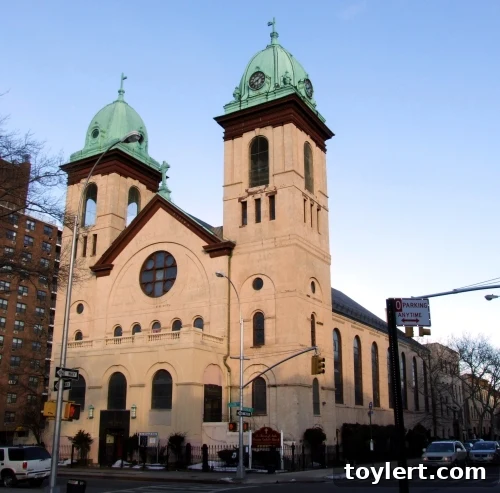
St. Teresa of Avila Catholic Church: A Historic Brooklyn Landmark
In the vibrant tapestry of Brooklyn’s architectural heritage, certain structures stand out not just for their aesthetic grandeur but also for their enduring historical and communal significance. St. Teresa of Avila Catholic Church, majestically situated in the heart of Prospect Heights, is one such venerable institution. Often highlighted as a “Building of the Day” for its remarkable features, this iconic church serves as a profound testament to Brooklyn’s rich past and its vibrant present. Its commanding presence, characterized by stunning architectural details, draws the eye and invites contemplation, making it a true jewel in the borough’s diverse crown.
Established as a spiritual and social anchor for the burgeoning Catholic community in Brooklyn, St. Teresa of Avila has witnessed over a century of profound changes, yet it remains a steadfast symbol of faith and resilience. Its story is inextricably linked with the development of the surrounding neighborhoods, reflecting the aspirations, struggles, and triumphs of generations of Brooklynites. More than just a place of worship, it is a living museum, preserving stories within its stone walls and stained-glass windows, each whispering tales of devotion, community, and architectural mastery.
A Beacon of History in Prospect Heights
Nestled at 563 Sterling Place in Prospect Heights, bordering the dynamic neighborhood of Crown Heights, St. Teresa of Avila Catholic Church has long been a focal point for residents and visitors alike. The parish was officially founded in 1898, a period of significant expansion and population growth in Brooklyn. As new immigrant communities flocked to New York, there was a pressing need for religious institutions to serve their spiritual and social needs. The construction of a grand church like St. Teresa of Avila was not merely an architectural endeavor; it was a foundational act of community building, providing a sanctuary and a center for cultural integration.
The cornerstone for the magnificent church edifice was laid in 1903, with the building completed and dedicated a few years later. The architects behind this impressive structure were the esteemed firm of F.J. Berlenbach Jr. & Son, prominent in designing numerous ecclesiastical buildings across Brooklyn and beyond during the late 19th and early 20th centuries. Their vision for St. Teresa of Avila was ambitious, aiming to create a structure that would inspire awe and reverence, a goal they unequivocally achieved. The chosen location in Prospect Heights was strategic, allowing the church to serve a wide area that was rapidly transforming from rural landscapes to dense urban blocks.
Over the decades, St. Teresa of Avila has been a steadfast witness to critical moments in American history, from two World Wars to the Great Depression, and the subsequent civil rights movement. Through all these periods, the church adapted, offering comfort, guidance, and practical support to its congregation. It has hosted countless baptisms, weddings, funerals, and community events, each contributing to the rich tapestry of life in Brooklyn. Its historical significance extends beyond its religious function, marking it as a cultural touchstone that encapsulates the spirit of Brooklyn’s development and its diverse population.
Architectural Grandeur and Distinctive Style
The architectural style of St. Teresa of Avila Catholic Church is a magnificent example of the Gothic Revival tradition, infused with elements that suggest the evolving tastes of the early 20th century. While retaining the soaring aspirations and intricate detailing characteristic of Gothic architecture, it also exhibits a certain robust quality often associated with Romanesque influences, particularly in its massing and window treatments. The exterior is predominantly constructed of reddish-brown brick with elaborate terra cotta and stone accents, creating a striking visual contrast and adding to its distinguished appearance.
One of the most defining features of the church is its towering twin bell towers, which punctuate the Brooklyn skyline and serve as an unmistakable landmark. These towers, crowned with elegant spires, draw the eye upwards, symbolizing spiritual ascent. The main facade is a masterclass in architectural composition, featuring a grand entrance portal with intricate carvings, flanked by decorative niches and finely crafted windows. The careful placement of pointed arches, traceried windows, and flying buttresses (though more subtly integrated than in classical Gothic cathedrals) contributes to its authentic Gothic appeal.
Step inside, and the grandeur continues. The interior of St. Teresa of Avila is a breathtaking space, characterized by a spacious nave, high vaulted ceilings, and an abundance of natural light streaming through magnificent stained-glass windows. These windows, often depicting biblical scenes and saints, are not merely decorative but serve as visual narratives, enriching the spiritual experience of worshippers. The altar area is typically adorned with ornate carvings, intricate details, and often includes a grand reredos, creating a focal point for devotion. The use of fine woods for pews and altarpieces, coupled with exquisite mosaic work and statuary, completes an atmosphere of solemn beauty and reverence.
The church’s design exemplifies the craftsmanship and artistic sensibilities of its era. Every element, from the meticulously carved stone details to the carefully selected materials, speaks to a commitment to creating a sacred space of lasting beauty and significance. The play of light and shadow within the expansive interior, coupled with the rich acoustics, ensures that St. Teresa of Avila offers a deeply immersive and inspiring experience for all who enter its doors.
A Community Pillar and Enduring Legacy
Beyond its architectural brilliance, St. Teresa of Avila Catholic Church has played an invaluable role as a community pillar for over a century. For generations of immigrants, it was a place of first welcome, offering not just spiritual guidance but also social services, educational programs, and a sense of belonging in a new land. The church’s schools, community centers, and outreach programs have fostered local talent, supported families, and addressed pressing social needs, firmly embedding it within the fabric of Prospect Heights and Crown Heights.
In contemporary Brooklyn, St. Teresa of Avila continues its mission of service and spiritual nourishment. It remains an active parish, adapting to the changing demographics of its surrounding neighborhoods while holding firm to its traditions. The church hosts regular services, community events, and cultural gatherings that bring people together, reinforcing its role as a vibrant hub. Its enduring presence stands as a testament to the power of faith and community action in shaping the urban landscape.
Efforts to preserve and maintain this historic structure are ongoing, ensuring that future generations can continue to admire its beauty and draw strength from its heritage. St. Teresa of Avila is more than just an old building; it is a living monument to the collective spirit of Brooklyn, a place where history, architecture, and community converge. Its story serves as a powerful reminder of how religious institutions have profoundly shaped the identity and development of our cities, offering both physical landmarks and spiritual guidance.
As Brooklyn continues its dynamic evolution, St. Teresa of Avila Catholic Church stands as a timeless symbol of continuity and enduring grace. Its intricate design, rich history, and unwavering commitment to its community ensure its place as one of Brooklyn’s most cherished and significant landmarks, truly embodying the spirit of “Brooklyn, one building at a time.” It invites all to explore its depths, appreciate its artistry, and connect with the rich historical narrative it so beautifully represents.