Unveiling 1940s New York City: A Revolutionary Digital Archive of Historic Tax Photos
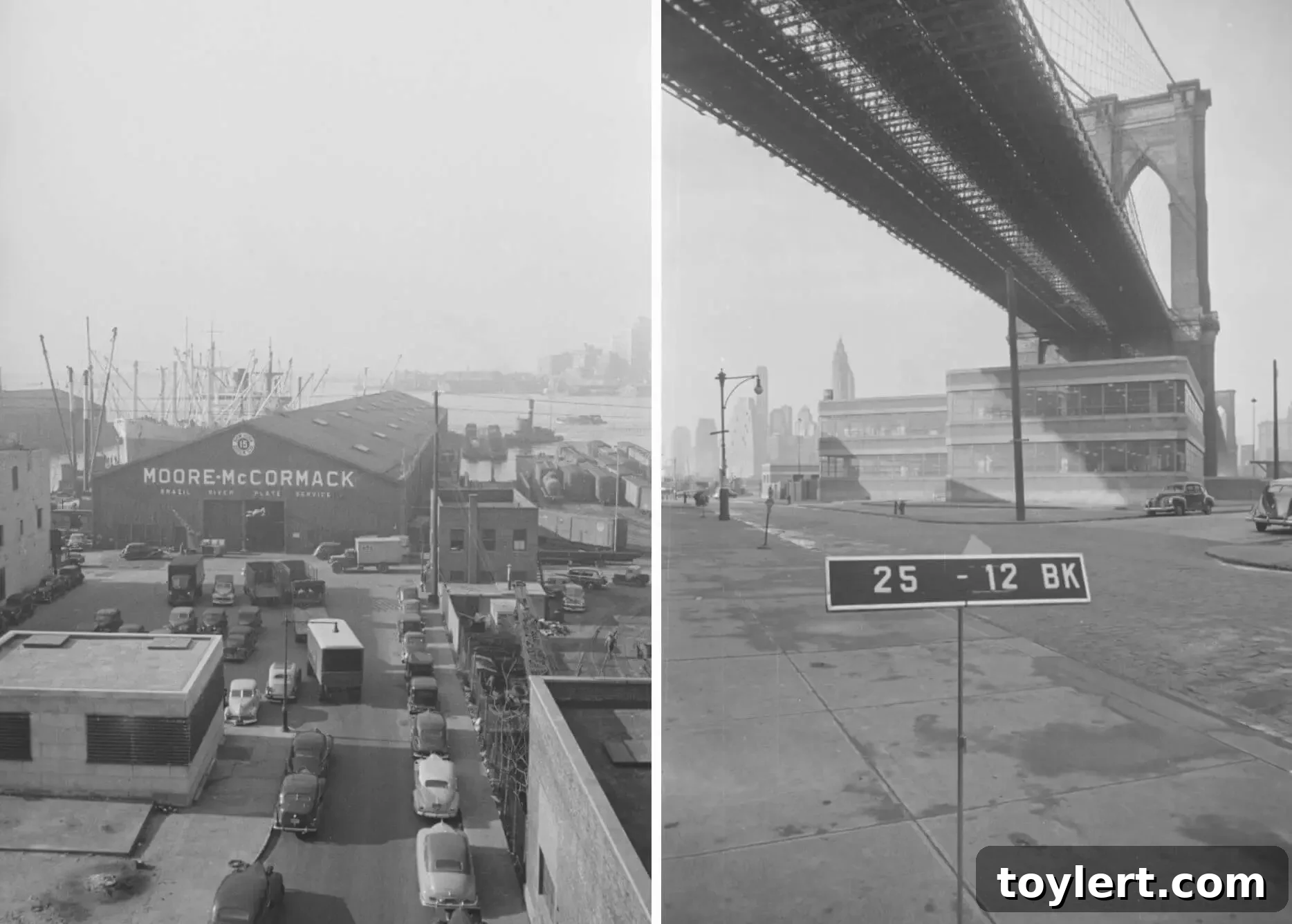
Imagine wandering the streets of New York City as they appeared over eight decades ago, witnessing the architecture, the vibrant streetscapes, and the everyday life of the 1940s. This captivating journey into the past is now made effortlessly accessible thanks to a groundbreaking new website, 1940s.nyc. Created by Brooklyn-based software engineer Julian Boilen, this innovative platform meticulously maps Depression-era tax photos of every single building in the city, transforming a vast, previously unwieldy collection into an intuitive, “Street View of 1940s New York.” For researchers, history buffs, urban planners, and curious citizens alike, this site is an invaluable digital gateway, offering several hundred thousand snapshots that paint a vivid picture of a bygone era.
The Genesis of a Vision: Bringing NYC’s Archives to Life
The inspiration behind 1940s.nyc stems from a common challenge faced by those who delve into historical archives: the sheer volume of data often obscures its accessibility. Julian Boilen, a resident of Park Slope, recognized the immense value of New York City’s historical tax photo collection. “It seemed so obvious. It’s such a great collection of photos, and I know a ton of work went into digitizing and tagging them, but the way they were presented was less than ideal,” Boilen remarked. His keen eye for user experience and his expertise as a software engineer sparked the idea to create a more intuitive, map-based interface.
Launched on August 11, the historic page 1940s.nyc quickly gained traction for its seamless integration of geographic data with visual history. Boilen’s initiative has effectively democratized access to a crucial segment of New York City’s photographic heritage, allowing anyone with an internet connection to explore the detailed facade of buildings across all five boroughs, from the bustling streets of Manhattan to the serene residential blocks of Queens and the historic avenues of Brooklyn.
A Glimpse into the Past: The Richness of Depression-Era Photography
The photos featured on 1940s.nyc were primarily captured between 1939 and 1951 by two pivotal entities: the city Tax Department and the New Deal-era Works Progress Administration (WPA). This period was a transformative time for New York City, emerging from the depths of the Great Depression and on the cusp of significant post-war development. The WPA, a cornerstone of President Franklin D. Roosevelt’s New Deal, employed millions of unemployed Americans to carry out public works projects, including extensive photographic documentation. These images, initially taken for practical purposes like property assessment and urban planning, inadvertently became a priceless visual record of the city’s urban fabric, its social conditions, and its architectural evolution.
Each photograph offers more than just a snapshot of a building; it provides a window into an entire era. Viewers can observe the subtle changes in architectural styles, the presence of vanished businesses, the types of vehicles on the street, and even the attire of pedestrians. This unparalleled detail makes the collection a goldmine for understanding the city’s transformation over time, offering insights into urban density, economic shifts, and the living conditions of New Yorkers during the mid-20th century. Researchers can track the life cycle of individual properties, while genealogists might discover the former residences of their ancestors.
Navigating the Historical Landscape: Features and Benefits of 1940s.nyc
What sets 1940s.nyc apart is its user-friendly interface, which mirrors the intuitive experience of modern online mapping services. Julian Boilen’s brilliant concept of a “Street View of 1940s New York” means that users can simply click on a street or building to instantly view its historical counterpart. This map-based approach eliminates the cumbersome process of sifting through physical archives or less-optimized digital databases, saving countless hours for anyone conducting historical research.
The benefits of such an accessible platform are manifold:
- For Historians and Academics: Provides an unparalleled visual resource for studying urban development, architectural history, social geography, and economic trends in mid-century New York.
- For Urban Planners and Architects: Offers a historical baseline for understanding neighborhood evolution, preserving historic landmarks, and informing contemporary development projects.
- For Genealogists and Family Researchers: Allows individuals to visually connect with the past residences or workplaces of their ancestors, adding a tangible dimension to family history research.
- For Educators and Students: Serves as an engaging educational tool, bringing history to life through direct visual evidence, fostering a deeper understanding of the city’s heritage.
- For Real Estate Professionals: Provides historical context for properties, aiding in appraisals, renovations, and understanding long-term property value changes.
- For General Public and History Enthusiasts: Offers an enjoyable and accessible way to explore their neighborhoods, discover hidden histories, and appreciate the enduring legacy of New York City.
The sheer scale of the project—mapping every building—ensures a comprehensive historical record. Whether you are interested in the iconic skyscrapers of Midtown, the brownstones of Brooklyn, the diverse communities of Queens, the historical charm of the Bronx, or the quiet streets of Staten Island, 1940s.nyc provides an entry point to their past.
The Impact of Digital Archiving: Bridging the Past and Present
The creation of 1940s.nyc underscores the critical importance of digital archiving and the power of technology to unlock historical data. Many invaluable historical collections remain underutilized due to challenges in access and navigation. By applying modern software engineering principles to historical data, Julian Boilen has set a benchmark for how cultural institutions and individual innovators can collaborate (or lead) in making our shared heritage more discoverable and meaningful.
This project is more than just a collection of old photos; it’s a dynamic tool for fostering civic engagement and historical literacy. It encourages citizens to explore their urban environment with new eyes, understanding the layers of history beneath the modern facade. It sparks curiosity about how neighborhoods have changed, what stories lie within the walls of familiar buildings, and how the choices made decades ago continue to shape the city we inhabit today.
The platform also serves as an excellent example of how open data initiatives, when coupled with creative technological solutions, can yield profound public benefits. The original digitization and tagging work by the city’s archives provided the raw material, but it was Boilen’s vision and technical skill that transformed this raw data into an easily navigable and highly engaging experience. This synergy between governmental archives and independent innovation is a powerful model for future historical preservation efforts worldwide.
Conclusion: A Lasting Legacy for New York City’s History
Julian Boilen’s 1940s.nyc stands as a remarkable achievement in digital history. By making hundreds of thousands of Depression-era tax photos of New York City buildings readily available and interactively mapped, he has not only preserved a crucial part of the city’s past but also opened new avenues for discovery and appreciation. This intuitive “Street View of 1940s New York” is a testament to the power of a simple, yet brilliant idea: to take a rich historical collection and present it in a way that is both engaging and profoundly useful. As we navigate the digital present, platforms like 1940s.nyc remind us of the enduring value of our shared history and the innovative spirit that continues to connect us to the past.