Unlocking the Soul of Disco-Era Brooklyn: The Intimate Photography of Dinanda Nooney
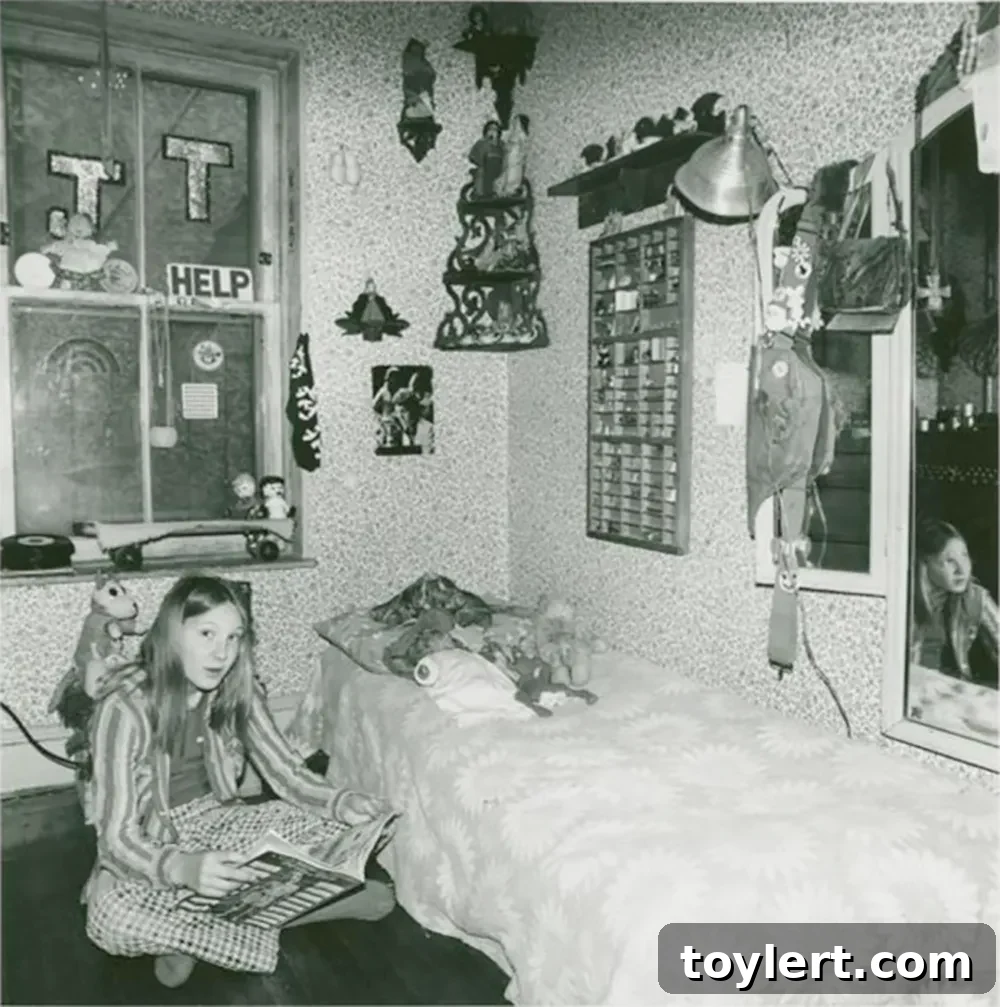
Step back in time to a Brooklyn rarely seen, a borough buzzing with the vibrant, yet often understated, energy of the late 1970s. While popular culture often paints the ‘Disco Era’ with broad strokes of glitter and excess, photographer Dinanda Nooney offered a profoundly different, deeply intimate perspective. Through her compelling series of photographs, Nooney didn’t just document Brooklyn; she immortalized the very soul of its diverse neighborhoods, peering into 150 homes and revealing the lives contained within their walls. Her work stands as an unparalleled visual archive, capturing the essence of a pivotal moment in New York City’s history and preserving the nuanced tapestry of Brooklyn life before its dramatic transformations. This remarkable collection, now a cornerstone of historical photography, invites us to explore the personal spaces and stories of a dynamic urban landscape.
A Lens into a Bygone Era: Brooklyn in the Late 1970s
The Brooklyn of the late 1970s was a borough in flux, a melting pot of cultures, communities, and contrasts. It was a period marked by significant social change, economic challenges, and a distinct raw authenticity that predated the widespread gentrification seen in later decades. From the bustling streets of multicultural enclaves to the quieter, tree-lined avenues of historic districts like Clinton Hill, Brooklyn was a canvas of untold stories waiting to be discovered. Nooney’s project didn’t merely photograph houses; it captured the spirit of an era—the unique fashion choices, the interior decor, the family dynamics, and the personal touches that defined each household. Her images offer a precious glimpse into the daily existence of ordinary and extraordinary Brooklynites, providing invaluable sociological and historical insights into a vibrant yet challenging American urban landscape. These visual narratives paint a picture of resilience, creativity, and the everyday rhythms of life in a city on the cusp of significant change.
Dinanda Nooney’s Unique Vision: Capturing Domesticity
What makes Dinanda Nooney’s collection particularly powerful is her unique, almost ethnographic approach to documentary photography. For 16 intensive months, she embarked on a remarkable journey, visiting people in their homes across Brooklyn. This wasn’t merely about capturing facades or public spaces; Nooney sought and gained access to the most private and personal of environments: bedrooms, living rooms, kitchens, and hallways. Her subjects, whether famous or unknown, appear casually posed, often surrounded by their personal effects – the furniture they cherished, the art they hung, the clothes they wore. This candidness lends an incredible authenticity to her portraits, allowing viewers to feel as if they are stepping directly into these intimate spaces, witnessing genuine moments of life unfolding. Nooney possessed a rare ability to build trust quickly, making her subjects comfortable enough to reveal their true selves, their aspirations, and their realities through the lens. Her commitment to documenting these personal narratives truly sets her work apart as a vital piece of New York City history.
From Basquiat’s Childhood Home to Everyday Lives
Among the many lives Nooney documented were figures who would later achieve widespread recognition, offering a fascinating peek into their formative years. Her lens notably captured the childhood home of the late artist Jean-Michel Basquiat, providing a rare and intimate glimpse into the environment that may have nurtured his early creativity and artistic vision. Another captivating subject was celebrity motorcyclist Johnny Redd, whose abode reflected a different facet of Brooklyn’s diverse personalities and subcultures. However, Nooney’s genius wasn’t limited to capturing nascent celebrities. Her true strength lay in presenting a democratic cross-section of Brooklyn life. From working-class families in vibrant neighborhoods to middle-class residents in historic brownstones, her photographs portray a wide array of individuals and families. Each image is a testament to the borough’s rich human tapestry, showing how people lived, decorated, and expressed themselves within their unique domestic spheres. These photographs are not just portraits of people; they are portraits of homes as extensions of identity, revealing the deep connections between individuals and their living spaces, offering a compelling visual narrative of 1970s Brooklyn.
The Enduring Legacy and Digital Preservation
Thanks to the diligent efforts of institutions like the New York Public Library, Dinanda Nooney’s complete collection of Brooklyn photographs is now widely accessible online. This digital archive is a treasure trove for historians, urban planners, artists, and anyone fascinated by the social fabric of New York City. The ability to explore these images from anywhere in the world ensures that Nooney’s invaluable contribution to documentary photography continues to educate and inspire. The online availability underscores the enduring relevance of her work, allowing new generations to connect with the subtle energies of the late 1970s, a decade often romanticized but rarely depicted with such heartfelt realism. Her photographs serve as vital primary sources, offering visual evidence of the architectural styles, interior design trends, and everyday lives that defined a significant era. This historical photography not only preserves memories but also fosters a deeper understanding of urban evolution and cultural heritage.
Why Dinanda Nooney’s Work Matters Today
Dinanda Nooney’s extraordinary photographic journey through late 1970s Brooklyn transcends mere documentation; it is an act of profound cultural preservation. Her photographs are more than just historical records; they are windows into the human experience, showcasing individuality, community, and the passage of time. They remind us that behind every address lies a story, and within every home, a world of memories and dreams. In an age where urban landscapes are constantly evolving, Nooney’s work offers a poignant anchor to the past, reminding us of the rich layers of history that underpin our modern cities. Her collection stands as a powerful testament to the power of photography to capture, preserve, and communicate the intimate nuances of life, ensuring that the authentic spirit of Disco-era Brooklyn and its residents will continue to resonate for generations to come. These intimate portraits not only showcase a bygone era but also offer timeless reflections on identity, belonging, and the universal desire to create a sense of home, making them a crucial resource for understanding Brooklyn history.