The Art of Selling: Why Flawed Real Estate Marketing Costs Sellers Dearly in Prime Markets like Park Slope
In the fiercely competitive and increasingly digital landscape of modern real estate, the initial presentation of a property to potential buyers holds unprecedented weight. This is especially true when dealing with high-value assets in coveted urban enclaves, such as the historic brownstones of Park Slope, Brooklyn. A property’s online debut is no longer merely a formality; it is arguably the most critical juncture in the entire sales process, setting the tone for buyer interest, perceived value, and ultimately, the final sale price. Unfortunately, far too many sellers find themselves undermined by a fundamental flaw: inadequate real estate marketing that fails to capture the true essence and worth of their home.
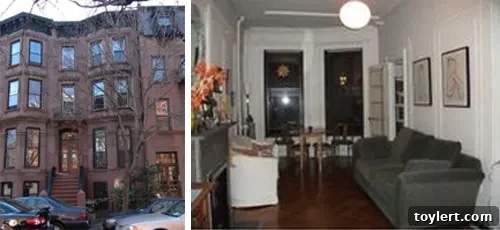
This critical oversight can transform a lucrative opportunity into a frustrating ordeal, costing sellers significant portions of their potential profit. Consider the perplexing saga of 104 Berkeley Place, a magnificent, older brownstone perfectly situated in one of Park Slope’s most prestigious locations. This isn’t just a house; it’s a testament to Brooklyn’s rich architectural heritage, a multi-family dwelling with inherent charm and enormous investment potential. Yet, despite these compelling attributes and a substantial asking price of $2,500,000, its introduction to the market was remarkably underwhelming. For a property where the selling agent stood to earn a staggering $150,000 commission, the marketing effort delivered was shockingly sparse and unprofessional, raising serious questions about the value provided.
The Digital Gateway: Your Property’s Critical First Impression
The vast majority of home searches today commence online. Before a single physical showing is scheduled, prospective buyers have already scoured countless listings, filtering properties based on visual appeal, detailed descriptions, and virtual tours. This digital storefront serves as the primary gateway, dictating which homes make the cut for an in-person visit. An expertly crafted online listing doesn’t just attract casual browsers; it sparks genuine interest, cultivates anticipation, and motivates serious buyers to take the crucial next step. Conversely, a poorly executed listing can act as an impenetrable barrier, effectively disqualifying a property before it has had the chance to truly impress.
The Unforgivable Sin: Subpar Photography
At the core of every compelling online listing are high-quality, professional photographs. Visuals are paramount, and in the case of 104 Berkeley Place, this foundational principle was regrettably neglected. Despite the broker’s potential six-figure commission—a figure that should signify a commitment to excellence—the property’s representation on StreetEasy consisted of a mere two interior photos. These images were not only few in number but also captured at night, plunging the rooms into shadows and obscuring any architectural detail, spaciousness, or unique character the brownstone undoubtedly possesses. Such an amateurish approach is not merely ineffective; it actively detracts from the property’s perceived value.
Professional real estate photography is an art and a science. It harnesses natural light to illuminate spaces, utilizes wide-angle lenses to convey expansive layouts, and meticulously stages rooms to highlight their most attractive features. Imagine the stark contrast: instead of two dark, uninviting snapshots, potential buyers could have been greeted by a gallery of vibrant, high-resolution images showcasing sun-drenched living areas, gleaming hardwood floors, intricate crown molding, and perhaps even a charming, well-maintained backyard. This difference in visual quality profoundly impacts a buyer’s emotional connection and willingness to consider the property at its asking price, making the cost of professional photography a negligible expense compared to the potential loss from a poor presentation.
Beyond the Image: Crafting Compelling Online Descriptions and Comprehensive Information
While captivating photographs draw the eye, a well-written, informative description is what truly engages the mind and cultivates serious interest. An online listing should tell a compelling story, detailing the property’s history, unique features, recent upgrades, and its harmonious integration within the vibrant neighborhood. For a three-family brownstone in Park Slope, this means elaborating on potential rental income streams, flexible living arrangements, preserved original period details, and any modern conveniences that enhance its appeal. A comprehensive listing typically includes detailed floor plans, immersive virtual tours, energy efficiency ratings, and a narrative that vividly portrays the lifestyle the property affords.
The noticeable absence of such crucial information for 104 Berkeley Place represents a colossal missed opportunity. Even if a buyer managed to look past the inadequate photos, there was little substantive content to pique their interest, address inevitable questions, or justify the multi-million dollar price tag. This lack of transparency and detail not only frustrates discerning buyers but also inadvertently raises red flags, suggesting either a profound lack of effort on the broker’s part or a deliberate attempt to conceal potential drawbacks. It’s truly baffling how such fundamental marketing principles could be overlooked when a significant commission and a seller’s considerable investment are on the line.
A Case Study in Missed Potential: 104 Berkeley Place, Park Slope
Park Slope is much more than a geographical location; it’s a coveted lifestyle brand synonymous with stately brownstones, picturesque tree-lined streets, top-tier schools, and a dynamic community spirit. Properties here are often cherished architectural treasures, representing both a significant financial and emotional investment. A multi-family brownstone, like 104 Berkeley Place, offers exceptional versatility, appealing to a broad spectrum of buyers, from owner-occupants seeking supplemental rental income to extended families desiring ample space, or savvy investors looking for a prized asset in a stable market. The inherent value of such a property is immense, rooted deeply in its location, historical significance, and structural integrity.
The asking price of $2,500,000 for a brownstone of this caliber in Park Slope is well within the expected market range for a well-maintained, desirable property. However, whether that figure is perceived as “justified” becomes highly subjective when the online presentation actively undermines its intrinsic value. Today’s buyers are incredibly savvy; they cross-reference listings, comparing every detail against meticulously curated presentations of other properties in the same price tier. When 104 Berkeley Place appears with its scant, poorly lit photos, it immediately diminishes its appeal and pushes it lower down the list of serious considerations. In this scenario, the broker isn’t just underperforming; they are inadvertently devaluing their client’s most significant asset through sheer neglect of basic marketing tenets.
The concept of “negative bias” is particularly potent in such situations. Instead of approaching the property with excitement and an open mind, buyers are prone to view it with skepticism, wondering what potential flaws the subpar marketing might be attempting to obscure. They might leap to conclusions about the property’s condition, assume underlying structural issues, or perceive the seller as desperate, leading to a much weaker negotiating position. This psychological hurdle is incredibly challenging to overcome during a physical showing, even if the property itself is magnificent. It establishes an adversarial dynamic from the outset, making negotiations tougher and ultimately driving down the potential offer price. For a $150,000 commission, sellers are entitled to expect a masterclass in comprehensive, strategic marketing, not a rushed, amateurish effort that ultimately costs them far more than the commission itself.
The Intricacies of Marketing a Historic Brownstone
Effectively marketing a historic brownstone demands a nuanced understanding of its unique allure. These properties are not mass-produced; they possess an individual character, a storied past, and intricate architectural details that modern constructions simply cannot replicate. The marketing strategy should celebrate these distinctive attributes, showcasing the elaborate fireplaces, original hardwood, soaring ceilings, and grand proportions that define quintessential brownstone living. It’s a delicate balance of revering history while seamlessly integrating the conveniences of contemporary living, demonstrating how these timeless residences can be both classic and perfectly suited for modern lifestyles.
More Than Just a House: The Allure of Park Slope Living
A crucial component of selling a Park Slope brownstone is selling the aspirational lifestyle that comes with residing in this vibrant community. A comprehensive marketing package for 104 Berkeley Place should expertly highlight its enviable proximity to the verdant expanse of Prospect Park, its acclaimed culinary scene, unique independent boutiques, highly-rated public and private schools, and the strong, engaging sense of community that defines the neighborhood. By immersing potential buyers in this compelling narrative—painting a vivid picture of leisurely weekend strolls, bustling farmers’ markets, and tranquil evenings on a picturesque, tree-lined street—this contextual storytelling significantly enhances the property’s perceived value. It appeals not just to a financial investment, but to an emotional connection, fostering a deeper desire to call such a place home.
The True Cost of Cutting Corners: Financial Implications for Sellers
The repercussions of poor real estate marketing extend far beyond mere aesthetic disappointment; they carry substantial financial weight for the seller. When a property is inadequately presented, it frequently leads to several detrimental outcomes:
- Reduced Offers: Buyers, armed with a negative first impression, are more inclined to submit lower initial offers, or may not submit any at all. They perceive less value and are less motivated to engage in competitive bidding wars.
- Prolonged Market Time: Properties that fail to captivate online tend to linger on the market for extended periods. A lengthy listing duration often signals to subsequent buyers that there might be underlying issues, further diminishing interest and increasing the likelihood of significant price reductions.
- Opportunity Cost: Every additional day a property remains unsold represents missed opportunities. The seller may continue to incur carrying costs (mortgage, taxes, utilities), miss out on other investment ventures, or face delays in their own personal and financial plans.
- Erosion of Perceived Value: A property that becomes “stale” on the market can lose its initial luster. Even if subsequent marketing efforts are improved, they may struggle to overcome the entrenched negative perception created by the initial poor showing.
The substantial commission paid to a real estate broker is intended to secure expert guidance, a thorough market analysis, astute negotiation skills, and, paramountly, top-tier marketing execution. When this marketing falls significantly short, the commission transforms from a sound, value-generating investment into a regrettable, costly expense, directly eroding the seller’s net profit and causing unnecessary stress. A $150,000 commission should guarantee peace of mind and maximize financial return, not introduce doubts and erect avoidable obstacles to a successful sale.
Best Practices for Selling Your Home in a Competitive Market
Sellers must be proactive and well-informed consumers when selecting a real estate broker. Here are essential best practices to ensure your property is marketed effectively and achieves its maximum market value:
- Insist on Professional Photography and Videography: This is non-negotiable. Demand high-resolution, professionally lit, daytime photos that exquisitely showcase every room from its most advantageous angle. Consider drone photography for unique exteriors and neighborhood context, and professional videography for engaging virtual tours and social media content.
- Cultivate a Comprehensive Digital Presence: Ensure your listing is prominently displayed across all major real estate platforms (e.g., StreetEasy, Zillow, Redfin, Realtor.com) with detailed, keyword-rich descriptions, accurate floor plans, and immersive virtual walk-throughs. The listing content must be optimized for search engine visibility.
- Strategic Staging: Whether it involves professional staging services or thoughtful decluttering, depersonalization, and minor touch-ups, preparing your home meticulously for both photos and physical showings makes an undeniable and dramatic difference in buyer perception.
- Craft a Compelling Narrative: Collaborate closely with your broker to develop a captivating story about your home, meticulously highlighting its unique features, historical significance, and the desirable lifestyle it offers, especially crucial for distinctive historic properties like brownstones.
- Leverage Neighborhood Appeal: Thoroughly integrate local amenities, renowned school districts, convenient transportation options, and vibrant community highlights into all your marketing materials, painting a holistic picture of the location.
- Choose the Right Broker: Conduct thorough interviews with several agents. Prioritize those with a proven track record, a strong local presence, and a clear, detailed, and data-driven marketing plan that demonstrably aligns with your expectations. Do not hesitate to request comprehensive examples of their previous listing photos and online presentations.
- Transparency and Accessibility: Ensure all relevant documents—including property disclosures, detailed floor plans, permits for renovations, and any other pertinent information—are readily available and easily accessible to serious, pre-qualified buyers.
A holistic, meticulous, and professionally executed approach to real estate marketing is not an optional extravagance; it is an absolute necessity in today’s fiercely competitive market. It represents the fundamental difference between achieving a swift, top-dollar sale and enduring a frustrating, protracted process that ultimately results in your property being undersold.
Conclusion: Empowering Sellers Through Informed Choices
The narrative of 104 Berkeley Place serves as a poignant and unequivocal reminder of the profound impact of real estate marketing, for better or for worse. In a market where millions of dollars are at stake, sellers simply cannot afford to settle for mediocrity. The onus of responsibility rests not only with the real estate agent to deliver exemplary, top-tier service but also crucially with sellers themselves to demand nothing less. By remaining informed, asking incisive questions, and diligently scrutinizing a prospective broker’s marketing strategy and demonstrated capabilities, homeowners can effectively protect their most significant investment and ensure their property truly shines brightest in a crowded and discerning digital marketplace.
Ultimately, a property’s maximum value is achieved when its unique story is told with compelling clarity, visual brilliance, and comprehensive detail. It’s imperative for sellers to recognize that a substantial commission should unequivocally translate into substantial results, driven by an unwavering commitment to excellence in every single facet of the marketing process. Do not allow your cherished home to become another cautionary tale of missed opportunities; empower yourself to demand and secure the exceptional marketing it truly deserves.
104 Berkeley Place [Exit All Seasons Realty] GMAP P*Shark