Discovering Brooklyn’s Architectural Heritage: The Enduring Charm of Fort Greene’s Greek Revival Row Houses
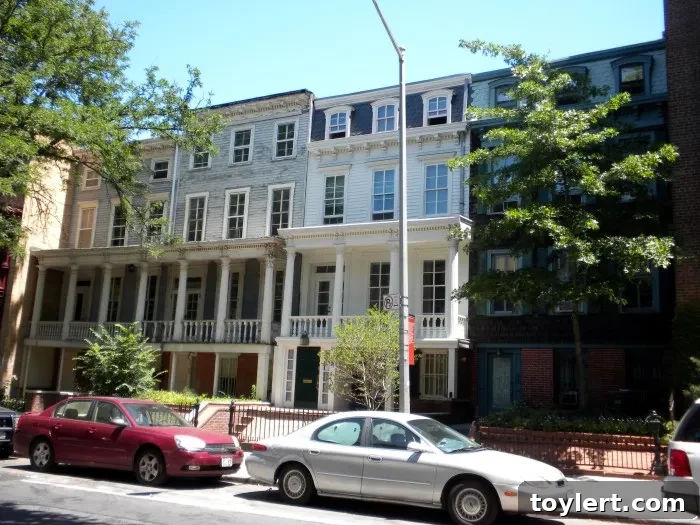
Brooklyn is a borough teeming with architectural wonders, each structure telling a chapter of its vibrant history. Among its most cherished neighborhoods, Fort Greene stands as a beacon of preserved 19th-century elegance, characterized by its picturesque tree-lined streets, cultural richness, and distinguished residential architecture. Nestled within this historic fabric are the remarkable wood-framed row houses at 293-299 Cumberland Street, which beautifully embody the Greek Revival style and offer a compelling window into Brooklyn’s past and its enduring urban development.
These specific homes are more than just dwellings; they are significant landmarks that capture the essence of a pivotal era in Brooklyn’s growth. Their design, materials, and location reveal much about the architectural trends, societal values, and building practices of the mid-19th century. As we delve into their story, we uncover the meticulous craftsmanship and thoughtful design that contribute to Fort Greene’s unique aesthetic.
An Architectural Profile: 293-299 Cumberland Street
To truly appreciate these magnificent structures, it is essential to highlight their key attributes, which position them firmly within Brooklyn’s rich architectural narrative:
- Building Type: Wood-framed Row Houses
- Address: 293-299 Cumberland Street
- Cross Streets: Situated gracefully between Lafayette and Greene Avenues
- Neighborhood: Fort Greene, Brooklyn
- Year Built: 1853
- Architectural Style: Predominantly Greek Revival, featuring various alterations that speak to its long history and adaptation over time
- Architect: Unknown. This is characteristic of many speculative developments during this period, where builders often relied on established pattern books rather than commissioning individual architects for each row house.
- Landmarked Status: Yes, these buildings are protected as an integral part of the Fort Greene Historic District, a designation proudly bestowed in 1978 to safeguard the area’s unique historical and architectural character.
Fort Greene’s Historical Tapestry: The Context of Cumberland Street
Fort Greene’s evolution into a prominent residential area in the mid-19th century was no accident. Its strategic location, offering convenient access to Manhattan, combined with thoughtful urban planning – including the development of Fort Greene Park by the renowned landscape architects Frederick Law Olmsted and Calvert Vaux – made it highly attractive to Brooklyn’s burgeoning middle class. Cumberland Street, particularly the stretch between Lafayette and Greene Avenues, exemplifies the typical residential development patterns of this period.
The construction of wood-framed houses here in 1853 is particularly telling. While brownstone and brick became increasingly prevalent, wood remained a favored material for its availability, cost-effectiveness, and ease of construction, allowing for rapid expansion to meet the demands of a growing population. These wood-framed homes provided a more accessible, yet equally elegant, option for those seeking a stylish residence in a desirable neighborhood, often mimicking the more expensive masonry facades with sophisticated detailing and paint finishes.
The Distinctive Allure of Wood-Framed Homes in 19th-Century Brooklyn
While the iconic brownstones often steal the spotlight in discussions about Brooklyn’s historic housing, wood-framed row houses hold a significant and often overlooked place in the borough’s architectural story. In the mid-19th century, timber was an abundant resource, making it an efficient and practical choice for builders. These structures typically featured sturdy timber frames clad with clapboard siding, which was often painted in light, muted tones to emulate the look of stone and emphasize their classical Greek Revival lines. The enduring presence of these homes, like those on Cumberland Street, speaks to their inherent resilience and adaptability. They offer a unique aesthetic that beautifully complements, rather than competes with, the more widely recognized masonry buildings, contributing a vital layer to Brooklyn’s diverse architectural landscape.
Greek Revival Architecture: A Style Forged in American Ideals
The Greek Revival architectural style, which surged in popularity across the United States from the 1820s to the 1850s, was far more than a passing trend; it was a profound declaration of the young nation’s identity and aspirations. In its quest to establish itself as a beacon of democracy, distinct from the monarchical traditions of Europe, America found deep resonance with the democratic principles and classical grandeur of ancient Greece. This ideological connection powerfully manifested in an architectural movement that embraced the monumental proportions, harmonious symmetry, and refined aesthetics of classical Greek temples.
The style conveyed a sense of dignity, reason, and timelessness, making it an ideal choice for public buildings, churches, and increasingly, residential homes across the rapidly expanding American landscape. It was seen as an architectural language that spoke to the very foundation of the republic, embodying virtues of order, strength, and enlightened governance. The adoption of Greek Revival in urban row houses, such as those in Fort Greene, represented a democratization of these grand ideals, bringing classical elegance to the everyday lives of the burgeoning middle class.
Defining Elements of the Greek Revival Style in Residential Architecture
While the grand, white temple-fronted buildings with imposing columns and pediments are the quintessential image of Greek Revival, its application in urban residential architecture, like the row houses of Fort Greene, involved clever and elegant adaptations. These homes translated the monumental scale into human-centered proportions, maintaining the style’s core principles. Key features frequently observed include:
- Impeccable Symmetry and Proportionality: A fundamental emphasis on balanced facades and aesthetically pleasing scaling, creating a sense of order and calm.
- Low-Pitched Gable Roofs: Often subtly concealed behind a robust cornice or a decorative parapet wall, maintaining clean rooflines.
- Prominent, Heavy Cornices: Bold, projecting eaves that crown the building, providing a strong horizontal termination and visual weight.
- Pilasters: Flattened, rectangular columns that are integrated into the wall surface, offering the visual appeal of freestanding columns without significant protrusion, thereby conserving valuable sidewalk space in urban settings.
- Refined Entablatures: The horizontal bands positioned above columns or pilasters, frequently adorned with classical moldings and friezes.
- Elaborate Door Surrounds: Entryways were often focal points, featuring intricate designs with sidelights (vertical windows flanking the door), transoms (horizontal windows above the door), and classical motifs such as Doric, Ionic, or Corinthian pilasters and decorative cornices.
- Tall, Double-Hung Windows: Typically proportioned for elegance, often with deep sills and simple yet refined frames that allowed ample natural light while maintaining classical lines.
- Understated Ornamentation: In contrast to the elaborate styles that would follow, Greek Revival often favored clean lines and strong geometric forms over excessive Victorian-era embellishment, allowing the inherent beauty and purity of the classical forms to dominate the aesthetic.
The houses at 293-299 Cumberland Street beautifully showcase many of these defining characteristics, even with the “alterations” that have occurred over their long lifespan. Such modifications are a natural part of a building’s evolution, reflecting changing tastes, functional requirements, and ongoing maintenance spanning nearly two centuries. These alterations – which might include updates to stoops, replacement of windows, or subtle adjustments to rooflines – each add a unique layer to the building’s rich narrative, ideally while respecting and preserving its original architectural integrity.
Brooklyn’s Mid-19th Century Boom: The Backdrop of 1853
The year 1853, when these elegant Cumberland Street homes were constructed, was a period of extraordinary and transformative growth for Brooklyn. During the mid-19th century, Brooklyn was rapidly ascending from a collection of distinct towns into a formidable urban center. By 1860, it had become the third-largest city in the United States, a testament to its dynamic economy, strategic location, and burgeoning population, prior to its eventual consolidation with New York City in 1898.
This remarkable expansion was fueled by a robust economy, significant improvements in transportation such as enhanced ferry services to Manhattan, and a continuous influx of merchants, professionals, and skilled artisans. These individuals sought residential tranquility and open spaces away from the increasing congestion and commercial bustle of Manhattan. Developers and speculative builders were instrumental in shaping Brooklyn’s urban landscape during this era. They frequently acquired large tracts of land, systematically subdivided them into individual lots, and then constructed entire rows of houses based on popular architectural pattern books. The designation “unknown architect” for 293-299 Cumberland Street is perfectly representative of this period, as many builders meticulously worked from established, widely published designs rather than commissioning a named architect for each individual row house. These builders aimed to create appealing, functional homes that meticulously met the aesthetic demands and social aspirations of the time. The Greek Revival style, with its dignified, respectable, and classical appearance, was an ideal choice for attracting and satisfying a rapidly expanding middle-class clientele.
Safeguarding the Past: The Fort Greene Historic District
The establishment of the Fort Greene Historic District in 1978 was a pivotal moment in recognizing and actively protecting the neighborhood’s unparalleled architectural and historical character. Being situated within a designated historic district implies that buildings like those on Cumberland Street are subject to specific, carefully crafted guidelines enforced by the Landmarks Preservation Commission (LPC). These vital guidelines ensure that any proposed exterior alterations or new construction respect the original design, period aesthetics, and the collective historic integrity of the district. This protective status is absolutely crucial for safeguarding the visual coherence, historical authenticity, and irreplaceable charm of areas like Fort Greene, effectively preventing inappropriate modifications that could irrevocably erode their unique historical fabric.
The visionary decision to landmark Fort Greene has allowed successive generations to not only appreciate but also actively reside within its beautifully preserved streetscapes. It serves as a guarantee that the rich legacy of 19th-century Brooklyn, exquisitely exemplified by the Greek Revival row houses at 293-299 Cumberland Street, continues to inspire, educate, and captivate. These homes are far more than mere physical structures; they are dedicated custodians of history, embodying the architectural ambition, societal values, and the dynamic spirit of a transformative period in American urban development.
Conclusion: An Enduring Legacy in Brownstone Brooklyn
The wood-framed Greek Revival row houses at 293-299 Cumberland Street stand as a powerful testament to Brooklyn’s rich architectural legacy and the timeless allure of classical design. They proudly represent the deep historical layers of Fort Greene, providing a tangible and evocative connection to the vibrant urban development of mid-19th-century New York. Through their elegant facades, intricate detailing, and profound historical significance, these remarkable buildings continue to enchant residents and visitors alike, serving as a vital reminder of the immense importance of preserving the unique character of our urban environments, celebrating each magnificent building, one at a time.