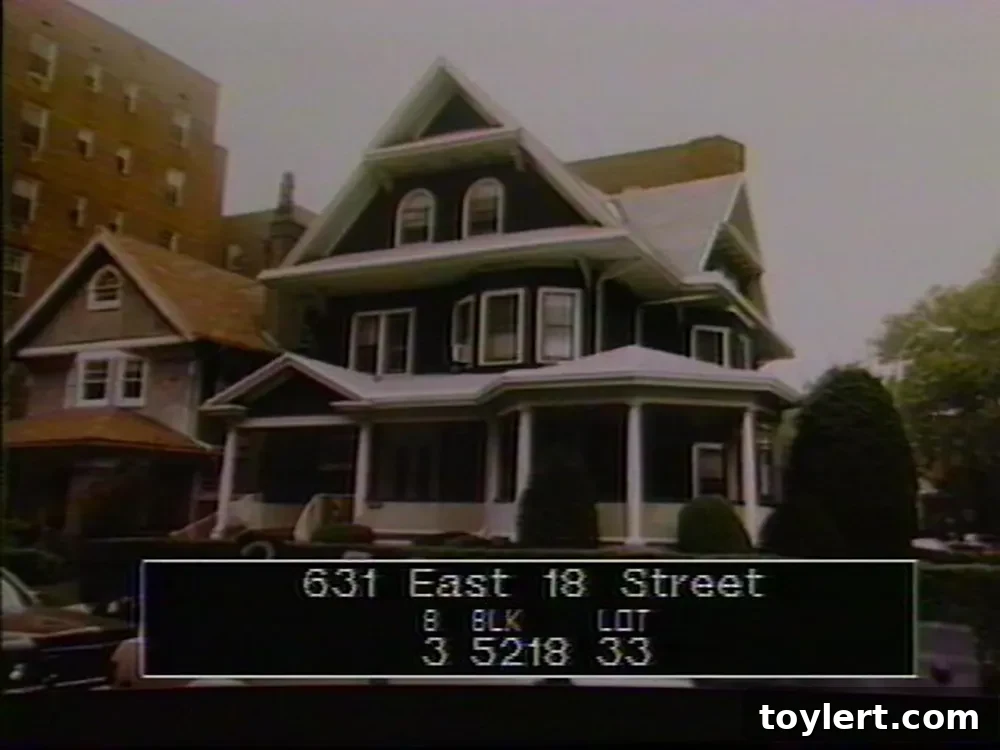
The End of an Era: Ditmas Park’s Iconic Victorian Yields to Seven-Story Development
Ditmas Park, a cherished Brooklyn neighborhood renowned for its unique collection of freestanding Victorian homes, is on the brink of a significant transformation. One of its iconic standalone Victorian residences is slated for demolition, making way for a modern, seven-story apartment building. This development sparks considerable debate among residents, preservationists, and urban planners, highlighting the constant tension between historic preservation and the pressures of urban growth and increased housing demand in rapidly evolving areas like Brooklyn. The impending loss of this architectural gem represents more than just the removal of a structure; it symbolizes a shift in the neighborhood’s character, prompting a collective reflection on what defines Ditmas Park’s identity and future.
Ditmas Park: A Sanctuary of Architectural Heritage
For over a century, Ditmas Park has stood as a picturesque anomaly within New York City’s urban sprawl. Its wide, tree-lined streets are adorned with magnificent Victorian houses, each a testament to a bygone era of craftsmanship and architectural grandeur. Unlike the ubiquitous brownstones or rowhouses found elsewhere in Brooklyn, these homes offer expansive yards, front porches, and intricate detailing that transport visitors to a different time. This distinct ambiance has long attracted those seeking a suburban feel within a vibrant city, fostering a strong sense of community and a deep appreciation for its unique historical fabric. The neighborhood’s charm isn’t merely aesthetic; it’s a living museum of American residential architecture, making every loss deeply felt by its inhabitants.
The Unique Charm of Victorian Homes in Brooklyn
The Victorian homes of Ditmas Park are not just old houses; they are historical artifacts that tell a story of early 20th-century Brooklyn. Built primarily between 1900 and 1910, these houses showcase a remarkable array of styles, including Queen Anne, Colonial Revival, and Shingle Style architecture. Characterized by their elaborate turrets, wrap-around porches, stained-glass windows, and detailed woodworking, they represent a significant chapter in American architectural history. Each home contributes to a cohesive, enchanting streetscape that sets Ditmas Park apart as a truly special place. The beauty and historical significance of these structures are key to the neighborhood’s appeal, drawing visitors and new residents who are captivated by their distinct character and the serene environment they create amidst the bustling borough.
The Looming Transformation: A New Apartment Building Takes Root
The proposed seven-story apartment building will drastically alter the visual landscape of the area where the Victorian once stood. While details regarding its exact design are still emerging, it is expected to feature a contemporary aesthetic, a stark contrast to the historic charm that defines Ditmas Park. This shift from low-density, single-family homes to higher-density residential units reflects broader development trends in Brooklyn, where land is scarce and demand for housing is continually escalating. Developers often eye areas with older, less protected structures as prime opportunities for new construction, aiming to maximize their investment by building taller and denser. This particular project exemplifies the ongoing tension between preserving existing architectural heritage and accommodating the growing population needs of a dynamic urban center.
Contrasting Visions: Developer’s Ambition vs. Community Preservation
The developer’s vision for a modern, multi-unit dwelling undoubtedly centers on meeting contemporary housing demands and capitalizing on Brooklyn’s robust real estate market. New apartment buildings often feature amenities like gyms, roof decks, and updated interiors, appealing to a different demographic than traditional Victorian homes. From a commercial standpoint, replacing a single-family house with dozens of new units represents a significant profit opportunity. However, this ambition frequently clashes with the desires of existing residents who prioritize the preservation of their neighborhood’s historical and aesthetic integrity. Community groups and local activists often rally against such projects, fearing that unchecked development will erode the very qualities that make their area desirable in the first place, leading to concerns about increased traffic, strained infrastructure, and the loss of unique architectural heritage.
Understanding the Urban Landscape: Zoning and Development Realities
The ability to replace a historic home with a large apartment complex often hinges on the specific zoning regulations governing the parcel of land. Many areas in Ditmas Park are not part of a designated historic district, leaving individual properties vulnerable if they lack specific landmark status. Zoning laws dictate the permissible height, density, and usage of buildings in a given area. If the lot is zoned for multi-family residential development at a certain height, developers can proceed with projects that may seem out of character with the surrounding neighborhood. Understanding these regulations is crucial for residents and preservationists, as it determines what types of construction are legally allowed. The absence of stringent preservation controls can inadvertently open the door for projects that prioritize density and profit over historical context and community aesthetics, making the fight for landmark designation a critical battle for advocates.
The Heart of the Debate: Preservation, Progress, and Landmarking
The core of the conflict surrounding the demolition of this Ditmas Park Victorian lies in the enduring debate between progress and preservation. New York City, particularly Brooklyn, is experiencing unprecedented growth, leading to immense pressure on land and housing. While new housing is vital to accommodate a growing population and alleviate affordability issues, the question remains: at what cost? Each time a historic structure is lost, a piece of the city’s narrative and architectural legacy disappears with it. This specific case is a poignant reminder of the vulnerabilities faced by unprotected historic homes in desirable neighborhoods. It forces a critical examination of urban planning strategies and whether enough is being done to safeguard the unique character of communities while simultaneously addressing the need for modern development and increased housing supply.
The Unprotected Gem: Why This Victorian Missed Landmark Status
A central question in this unfortunate scenario is why this particular Victorian home was not designated as a landmark. Landmark status, granted by the New York City Landmarks Preservation Commission (LPC), offers vital protection against demolition and significant alteration. The process for designation can be complex and lengthy, requiring extensive research into a property’s architectural, historical, and cultural significance. Often, individual homeowners or community groups must petition the LPC, and the property must meet specific criteria. Without this designation, or if it falls outside a larger historic district, even the most beautiful and historically significant homes can be demolished if the owner chooses to sell to a developer. This highlights a systemic challenge: many beautiful structures are unprotected simply because they haven’t gone through the rigorous and often reactive landmarking process, leaving them susceptible to market forces.
Economic Forces and the Demand for Modern Housing Solutions
The driving force behind many development projects like the one in Ditmas Park is undeniable economic pressure. Brooklyn’s real estate market is fiercely competitive, with a continuous demand for new housing units. Developers are keen to maximize the value of their land holdings, and replacing a single, older structure with a multi-unit building is often the most lucrative option. This economic reality is compounded by factors such as rising property taxes and maintenance costs for older homes, which can make it challenging for long-term owners to retain their properties, potentially incentivizing them to sell to developers offering substantial sums. While proponents argue that new developments contribute to addressing the city’s housing crisis and bring economic benefits through job creation and tax revenue, critics emphasize the social and cultural costs associated with losing irreplaceable historic assets and altering the fundamental character of established neighborhoods.
Community Voices: Reactions, Concerns, and the Future of Ditmas Park
The news of the Victorian’s demolition has predictably ignited a passionate response within the Ditmas Park community. Residents, many of whom chose the neighborhood specifically for its historic charm and low-density living, express profound sadness and anger. They fear that this development sets a dangerous precedent, opening the floodgates for similar projects that could gradually erode the unique identity of their beloved neighborhood. Concerns range from the aesthetic impact of a modern, towering structure amidst Victorians to practical issues such as increased traffic congestion, parking shortages, and potential strain on local infrastructure like schools and public transportation. These community reactions underscore a deeper attachment to place, where homes are not just buildings but integral parts of a collective identity and shared heritage.
Residents Rally: The Fight to Maintain Neighborhood Character
In the face of such developments, residents often mobilize quickly, forming advocacy groups, launching petitions, and organizing protests to voice their opposition. Their efforts are typically aimed at preserving the existing neighborhood character, advocating for more stringent zoning regulations, or pushing for the designation of historic districts to provide broader protections. While these battles can be uphill, especially when properties are not already landmarked, community activism plays a crucial role in raising awareness, influencing policy, and sometimes, even in delaying or modifying development plans. The fight to maintain the essence of Ditmas Park reflects a broader movement in many historic neighborhoods across New York City, where residents are increasingly vocal about protecting their community from what they perceive as insensitive and disruptive development.
Setting a Precedent: Implications for Brooklyn’s Historic Enclaves
The demolition of a significant Victorian in Ditmas Park carries implications that extend far beyond this single lot. It serves as a stark reminder and a potential precedent for other historic enclaves in Brooklyn that are not fully protected by landmark designations. Developers observe these outcomes closely, understanding where opportunities lie for maximizing land value. If similar unprotected homes are perceived as ripe for redevelopment, other neighborhoods with distinct architectural styles, such as parts of Bay Ridge, Prospect Park South, or Bushwick, could face similar pressures. This particular case highlights the urgent need for proactive planning and comprehensive landmarking efforts to safeguard Brooklyn’s diverse architectural heritage before it is irreversibly altered by the relentless march of urban development and the ever-growing demand for new construction projects.
Navigating the Path Forward: Balancing Growth with Heritage
Finding a harmonious balance between urban growth and heritage preservation is one of the most complex challenges facing cities like New York. While the need for additional housing and economic development is undeniable, it should not come at the wholesale expense of irreplaceable historical and cultural assets. Strategies for navigating this path forward often include robust urban planning initiatives that identify sensitive areas, proactive landmarking efforts to protect significant structures, and creative incentives for developers to incorporate existing heritage into new projects rather than simply demolishing it. Exploring adaptive reuse options, encouraging contextual design that respects neighborhood scale, and fostering strong dialogue between developers, city planners, and community members are crucial steps. The goal should be to allow for necessary progress while intelligently preserving the unique architectural and cultural identity that makes each neighborhood special and contributes to the city’s rich tapestry.
Furthermore, city policies could be reviewed to offer more avenues for community input early in the development process, potentially leading to more collaborative outcomes. Educating property owners about the benefits and process of landmarking their homes could also empower them to protect their properties. Ultimately, the future of Ditmas Park and similar neighborhoods will depend on a collective commitment to thoughtful development that respects history, embraces the present, and plans responsibly for future generations. This requires a nuanced understanding of economic pressures, community desires, and the intrinsic value of architectural heritage, ensuring that Brooklyn’s character evolves rather than being entirely erased by the demands of a modern metropolis.
Conclusion: An Evolving Landscape in the Heart of Brooklyn
The impending demolition of a cherished Victorian home in Ditmas Park to make way for a seven-story apartment building is more than just a local incident; it’s a microcosm of the broader challenges facing historic neighborhoods across Brooklyn and beyond. It underscores the critical need for balanced urban planning that recognizes the value of architectural heritage while addressing the imperatives of growth and housing demand. As the Ditmas Park landscape continues to evolve, the community grapples with the difficult questions of identity, progress, and preservation. The loss of this iconic structure serves as a powerful reminder for policymakers, developers, and residents alike to engage in thoughtful dialogue and implement proactive strategies to protect the unique charm and historical legacy of New York City’s cherished enclaves, ensuring that the stories embedded in their architecture endure for generations to come, even as the city continues its relentless transformation.