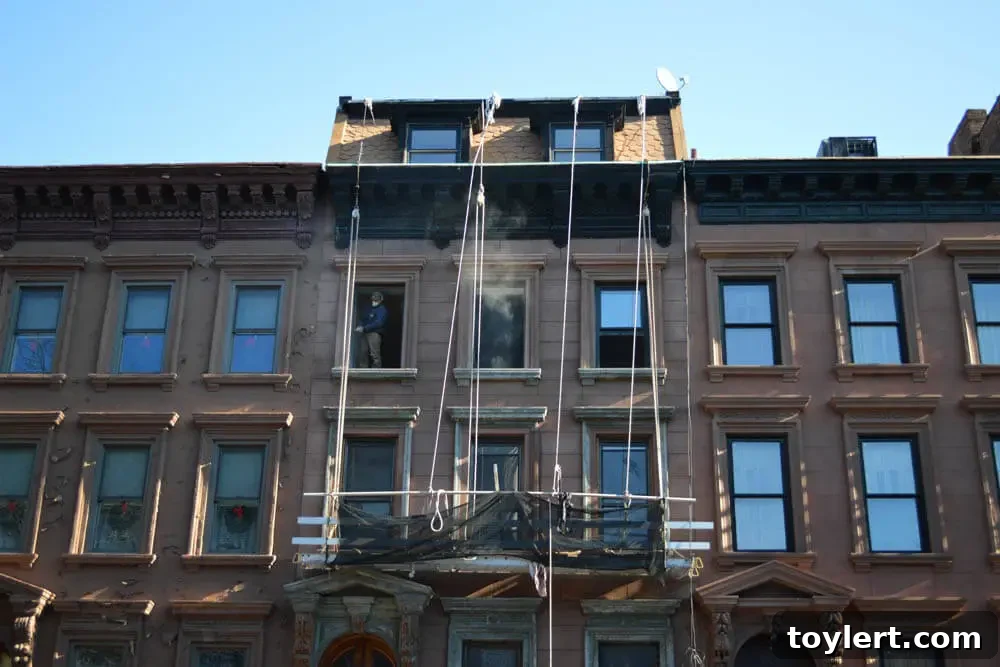
Navigating NYC DOB Permits: The Alt-1 vs. Alt-2 Dilemma for Two-Family Homes in Brooklyn
The journey of homeownership in New York City often comes with its unique set of challenges, particularly when it involves interacting with the Department of Buildings (DOB). For property owners in vibrant neighborhoods like Clinton Hill, Brooklyn, understanding the nuances of building permits is not just a bureaucratic hurdle but a critical aspect of protecting their investment and ensuring compliance. A common, and often frustrating, scenario arises when the DOB’s records conflict with a homeowner’s understanding of their property’s classification, leading to significant delays and unexpected costs.
Consider the recent predicament faced by a Brownstoner reader in Clinton Hill. This homeowner embarked on the seemingly straightforward process of filing an Alt-2 permit for their property, which they rightfully considered a two-family house. To their surprise and dismay, the Department of Buildings countered their filing, asserting that the property was, in fact, classified as a one-family residence. This reclassification isn’t merely a matter of semantics; it triggers a cascade of implications, primarily demanding an Alt-1 permit for any alteration that would convert it to a two-family dwelling. The shift from an Alt-2 to an Alt-1 permit represents a substantial leap in complexity, cost, and the time required for approval, putting the homeowner in a challenging bind.
This situation begs several crucial questions: How frequently do such discrepancies occur? Is the DOB prone to errors in its property classifications? And, most importantly, what steps can homeowners take to effectively navigate these bureaucratic quagmires and ensure their property’s status is accurately reflected?
Understanding the Core Conflict: Alt-1 vs. Alt-2 Permits
To fully grasp the homeowner’s dilemma, it’s essential to differentiate between Alt-1 and Alt-2 permits within the NYC DOB framework. These classifications dictate the scope of work, the required documentation, and the overall complexity of a building project.
What is an Alt-2 Permit?
An Alt-2 permit (Alteration Type 2) is typically filed for minor alterations or repairs within an existing building that do not involve a change in occupancy, egress, or use. It’s for work that affects the interior layout or structural components but does not fundamentally change how the building functions or its legal occupancy classification. For instance, renovating a kitchen, updating bathrooms, replacing windows, or minor structural repairs in a house that maintains its existing one-family or two-family status would generally fall under an Alt-2 permit. The process for an Alt-2 permit is generally less exhaustive, requiring fewer sign-offs and often a quicker review period.
What is an Alt-1 Permit?
In stark contrast, an Alt-1 permit (Alteration Type 1) is mandated for more significant projects. This includes alterations that involve a change in occupancy, egress, or use of a building, or major structural work that significantly modifies the building’s footprint or safety systems. Crucially, converting a one-family home into a two-family home, or vice-versa, unequivocally falls under the purview of an Alt-1 permit. These projects necessitate a new or amended Certificate of Occupancy (CofO), demanding comprehensive architectural and engineering plans, adherence to stricter fire and safety codes, and typically a longer, more rigorous review process involving multiple city agencies.
Why the DOB Might Misclassify a Property
The homeowner’s experience highlights a critical issue: the potential for a disconnect between a property’s actual, historical use and its official classification within DOB records. Several factors can contribute to such discrepancies:
- Outdated Records: NYC’s housing stock is rich with history. Many brownstones and multi-family homes have existed for over a century, and their initial classifications or subsequent, perhaps unpermitted, conversions may not be accurately reflected in modern digital databases.
- Unpermitted Conversions: Historically, some homeowners converted single-family homes into multi-family dwellings without obtaining the necessary permits, especially decades ago when enforcement was less stringent. While these units may have been occupied as separate residences for generations, they technically remain unpermitted in the DOB’s eyes.
- Ambiguous Certificate of Occupancy (CofO): The CofO is the official document stating a building’s legal use and occupancy. If a property has an old or ambiguous CofO, or if the current use diverges from what’s stated on the CofO, it can lead to conflicts.
- Administrative Errors: Despite best efforts, administrative mistakes can occur during data entry, record transfers, or inspections, leading to incorrect classifications.
The Implications of Misclassification
Being forced to file an Alt-1 permit instead of an Alt-2 for what you believe is an existing two-family home carries significant consequences:
- Increased Costs: Alt-1 projects demand more extensive architectural and engineering work, detailed plans, and potentially higher permit fees. There may also be requirements for additional fireproofing, soundproofing, or egress improvements that were not anticipated.
- Extended Timelines: The review and approval process for an Alt-1 permit is considerably longer, leading to project delays. This can be especially frustrating if you have tenants lined up or are on a strict renovation schedule.
- Legal and Financial Headaches: Operating an unpermitted multi-family dwelling can expose homeowners to fines, penalties, and even difficulty with insurance claims or future sales. Lenders may also have issues with properties not aligning with official records.
- Scope Creep: What started as a simple renovation might expand into a much larger project, requiring upgrades to meet current codes for a multi-family dwelling, even if your intended work was minimal.
Strategies for Homeowners Facing DOB Discrepancies
If you find yourself in a similar situation, where the DOB challenges your property’s classification, proactive and informed action is crucial. Here’s a comprehensive approach:
1. Thoroughly Review Your Certificate of Occupancy (CofO)
The CofO is the authoritative document defining your building’s legal use and occupancy. Obtain the most recent CofO for your property from the DOB website or archives. Carefully examine it to see if it explicitly states “two-family dwelling” or if it indicates “one-family” or another classification. If your CofO clearly states two-family, you have strong evidence to support your Alt-2 filing.
2. Dig into Property Records and Historical Documentation
Beyond the CofO, gather all available property records. This includes tax records, deeds, and any historical documents you might possess. Sometimes, old property listings, utility bills showing multiple meters, or even past lease agreements can serve as anecdotal evidence of the property’s long-standing use as a two-family home. Search the DOB’s online Building Information System (BIS) for past permits or violations that might shed light on your property’s history.
3. Seek Expert Professional Advice Immediately
This is arguably the most critical step. Do not attempt to navigate this complex terrain alone. Consult with:
- A Licensed Architect or Professional Engineer: They can review your property, assess its physical configuration, and compare it against the DOB’s records. They are experts in building codes and the permit application process, and their professional assessment carries weight with the DOB.
- An Experienced Expediter: Expeditors specialize in navigating the DOB’s bureaucracy. They know the ins and outs of the system, can communicate directly with DOB officials, and help gather necessary documentation.
- A Real Estate Attorney Specializing in DOB Issues: If the dispute is significant or involves legal technicalities, an attorney can provide legal counsel, help interpret obscure regulations, and represent your interests.
4. Prepare a Compelling Case with Evidence
Once you’ve consulted with professionals, work with them to compile a robust package of evidence. This could include:
- A formal letter from your architect or engineer explaining why the property should be classified as a two-family, based on physical evidence and historical use.
- Copies of your CofO and any other official documents supporting your claim.
- Photographs illustrating the property’s configuration (separate entrances, kitchens, utility meters).
- Affidavits from long-term residents or neighbors attesting to its use as a two-family home.
- Historical tax bills or utility bills indicating two separate units.
5. Engage in Constructive Dialogue with the DOB
With your evidence prepared, your architect or expeditor can help you engage with the DOB. This might involve meeting with plan examiners, supervisors, or even filing an appeal if necessary. The goal is to present your case clearly and professionally, aiming to correct the misclassification without having to endure the full Alt-1 conversion process if the property is already legally a two-family home.
6. Understand Zoning and Historic District Regulations
While the CofO is paramount, it’s also worth understanding how zoning regulations and historic district designations might impact your property. These factors, while not directly tied to the Alt-1 vs. Alt-2 permit type, can influence what alterations are permissible and might add layers of complexity if a conversion is ultimately required.
Learning from Shared Experiences
The situation in Clinton Hill is far from unique. Many homeowners, particularly in areas like Brooklyn with its rich history of brownstones and varied housing types, have encountered similar frustrations. Comment sections on community forums often overflow with stories of unexpected permit requirements, protracted negotiations with the DOB, and the financial strain of unplanned architectural work. These shared experiences underscore the importance of due diligence before purchasing a property and maintaining meticulous records throughout ownership.
Some homeowners have successfully argued their case by demonstrating long-standing, pre-existing two-family use, particularly if their CofO was ambiguous or they could provide compelling historical evidence. Others, unfortunately, have had to bite the bullet and proceed with an Alt-1 permit, enduring the associated costs and delays. Each case is unique, depending heavily on the specifics of the property, the available documentation, and the expertise of the professionals involved.
Prevention is Key: Due Diligence for Prospective Buyers
For those looking to purchase a multi-family home in NYC, especially in neighborhoods known for historic conversions, proactive due diligence is paramount. Always:
- Verify the CofO: Before signing any contracts, obtain and scrutinize the property’s Certificate of Occupancy. Ensure it matches the number of units you intend to purchase and operate.
- Consult with an Attorney: A real estate attorney familiar with NYC building codes can help identify potential permit issues or discrepancies in property records.
- Consider a Pre-Purchase Inspection by an Architect: Beyond a standard home inspector, an architect can provide insights into the legality of existing structures and potential compliance issues.
Conclusion: Diligence and Expertise are Your Allies
The challenge faced by the Clinton Hill homeowner perfectly encapsulates the intricate and often bewildering nature of navigating the NYC Department of Buildings. What begins as a seemingly minor permit application can quickly escalate into a significant hurdle if a property’s classification is contested. The distinction between an Alt-1 and Alt-2 permit is not a trivial administrative detail but a gateway to vastly different project requirements, costs, and timelines.
For any homeowner finding themselves in a similar situation, the path forward is clear: gather all available documentation, thoroughly understand your property’s history, and most importantly, engage experienced professionals – architects, expediters, and potentially attorneys – to advocate on your behalf. Their expertise will be invaluable in presenting a compelling case to the DOB, hopefully resolving the discrepancy efficiently and allowing your project to move forward as intended.
Have you been in a similar situation? How did you resolve your permit issues with the Department of Buildings? We invite you to share your experiences and insights. Your stories can provide invaluable guidance and support to other homeowners grappling with the complexities of NYC building regulations.