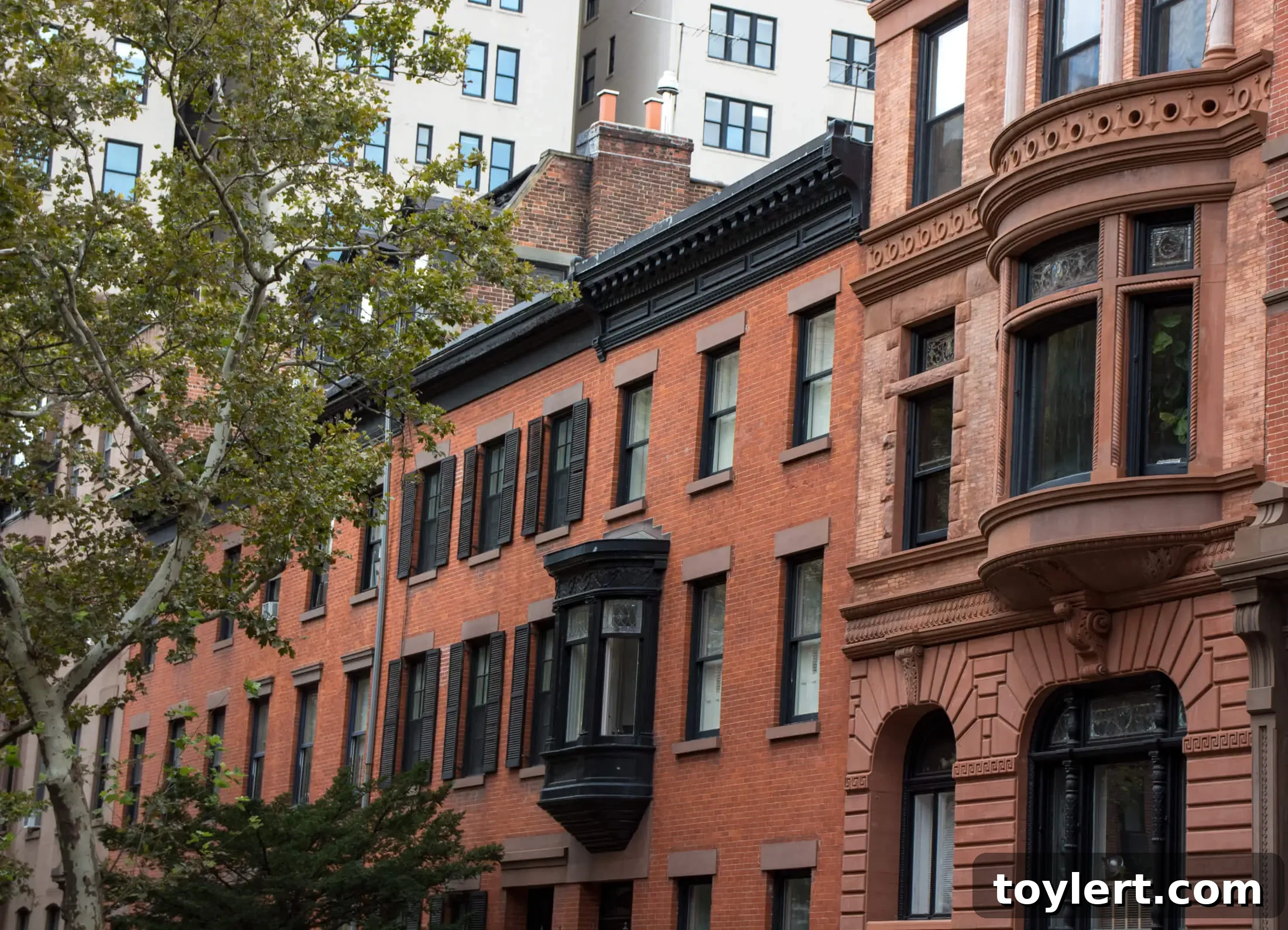
Navigating New York: Key Developments and Community Voices Across NYC
New York City is a dynamic metropolis, constantly evolving and facing new challenges. Keeping a pulse on local developments is crucial for residents, community leaders, and anyone interested in the city’s future. From significant policy changes affecting housing and public services to urban planning initiatives transforming neighborhoods and cultural events enriching daily life, recent headlines paint a vivid picture of the diverse issues at play. This article offers an in-depth look at some of the most pressing and engaging topics currently shaping the fabric of New York City, particularly focusing on Brooklyn’s vibrant communities and the broader urban landscape.
Addressing Critical Issues in Housing and Social Welfare
Housing remains a central concern for many New Yorkers, intertwined with issues of affordability, oversight, and effective service delivery for vulnerable populations. Recent reports have brought to light the complexities and controversies within the city’s shelter system, raising questions about accountability and resource allocation. For instance, news highlighting a “Housing Boss” earning a substantial salary despite a “Troubled Past” underscores the urgent need for transparency and stringent oversight in organizations tasked with aiding the homeless. This kind of scrutiny is vital to ensure that funds intended for the city’s most vulnerable are managed with integrity and efficiency, directly impacting the quality of life for thousands.
Beyond individual oversight, community access to essential services and recreational facilities is equally important. The disparity in “Community Discounts” at facilities like the Crown Heights Armory Recreation Center sparked discussions about equitable access for local residents. Public spaces and resources, funded by taxpayers, are meant to serve the entire community. When specific groups or neighborhoods face barriers to access, it highlights broader issues of social equity and the need for local government to implement policies that genuinely benefit all citizens. These instances collectively emphasize the ongoing struggle to balance budgetary constraints with the fundamental right of every New Yorker to safe housing, supportive services, and accessible public amenities.
Transforming Urban Landscapes: Infrastructure, Planning, and Public Transit
New York City’s urban fabric is in constant flux, with significant projects aimed at improving infrastructure, transportation, and public spaces. These initiatives, while promising progress, often come with their own set of community discussions and challenges. The “McGuinness Boulevard Redesign” in Brooklyn, for example, represents a major undertaking by the Department of Transportation. Such projects are critical for enhancing pedestrian safety, improving traffic flow, and potentially revitalizing commercial corridors. However, they also require careful planning and robust community engagement to ensure the redesign truly serves the needs of local businesses and residents, balancing safety improvements with economic viability and neighborhood character.
Advancements in public transportation continue to be a cornerstone of urban efficiency. The introduction of the “OMNY Card” by the MTA signifies a step forward in modernizing the transit payment system, offering greater convenience and accessibility for daily commuters. As the city transitions from older MetroCard technology, the widespread adoption and smooth implementation of OMNY are essential for maintaining the fluidity of one of the world’s largest public transit networks. These technological upgrades are not merely about convenience; they reflect the city’s commitment to keeping pace with modern demands and ensuring seamless mobility for millions. Furthermore, broader urban planning also touches upon the city’s financial mechanisms. Proposed “Changes to City’s Tax Lien Sale” by a special task force could have significant implications for property owners, real estate development, and affordable housing initiatives. Such policy discussions underscore the complex interplay between municipal finance, property rights, and the city’s long-term economic health.
Celebrating Community, Culture, and Artistic Expression
Amidst the hustle and bustle of urban development and policy debates, New York City’s vibrant cultural scene and strong community spirit continue to thrive and adapt. Art often serves as a powerful reflection of the city’s soul, capturing its energy and diverse narratives. An “Artist’s Subway-Stitched Portraits at Pioneer Works in Red Hook” offers a unique perspective on the everyday lives of New Yorkers, transforming mundane commutes into works of art. Such exhibitions not only provide aesthetic pleasure but also foster a deeper appreciation for the city’s unique character and the stories of its inhabitants.
Community spaces, whether formal or informal, are the lifeblood of neighborhoods. The closing of “Crown Heights Loses a Vital, Community-Driven Hangout” can profoundly impact local residents, highlighting the fragility of these essential social hubs in a rapidly changing urban environment. These gathering places are more than just businesses; they are venues for connection, collaboration, and the preservation of local identity. Simultaneously, the enduring spirit of creativity and freedom finds expression in unexpected places, as “Skateboarders Tell a Story of Freedom at Fort Greene Skate Park.” Public spaces like skate parks become arenas for self-expression, fostering subcultures and providing important outlets for youth and adults alike. These cultural narratives, whether through art, community hubs, or recreational activities, are integral to the well-being and identity of New York’s diverse communities.
Upholding Public Trust: Law Enforcement and Accountability
Public trust in institutions, particularly law enforcement, is paramount for the stability and safety of any city. Recent events have again brought the crucial topic of accountability and transparency within the NYPD to the forefront. News regarding a “Hack of Oath Keepers Group Includes Names of NYPD Officers” has raised serious concerns about potential affiliations between active law enforcement personnel and extremist organizations. Such revelations necessitate immediate and thorough investigation to ensure the integrity of the police force and to uphold the public’s confidence in those sworn to protect and serve.
The presence of law enforcement officers in groups with anti-government or extremist ideologies can erode trust and jeopardize the impartiality expected of public servants. Mayor-led investigations into such matters are critical steps towards maintaining public safety and ensuring that all officers adhere to the highest standards of conduct and ethics. These investigations are not just about individual accountability but also about reinforcing the foundational principles of a fair and just society. Ensuring that law enforcement agencies are free from internal biases and external influences that contradict their mission is essential for the continued health and safety of New York City and its residents.
Conclusion: A City in Constant Motion
From the intricate details of housing policy and urban infrastructure projects to the vibrant expressions of community culture and critical issues of public trust, New York City remains a place of constant activity and significant discussion. The headlines of today reflect the ongoing efforts to improve city living, address inequalities, and preserve the unique character of its many neighborhoods. Staying informed about these diverse developments allows residents to engage meaningfully with their city, advocate for their communities, and contribute to the ongoing narrative of one of the world’s most iconic urban centers. As NYC continues to navigate its future, the collective voice of its inhabitants will undoubtedly shape its path forward.
Further Reading: Recent Highlights from Across NYC
- Housing Boss Earns $1 Million to Run Shelters Despite a Troubled Past [NYT]
- An Artist’s Subway-Stitched Portraits at Pioneer Works in Red Hook [NYT]
- Department of Transportation Kicks Off McGuinness Boulevard Redesign [BP]
- Crown Heights Armory Rec Center Falls Short on Community Discounts [The City]
- Hack of Oath Keepers Group Includes Names of NYPD Officers [Gothamist]
- This Is the OMNY Card, and You Might Be Able to Buy One [Curbed]
- Crown Heights Loses a Vital, Community-Driven Hangout [Eater]
- Skateboarders Tell a Story of Freedom at Fort Greene Skate Park [BK Reader]
- Task Force Lays Out Possible Changes to City’s Tax Lien Sale [TRD]