Downtown Brooklyn’s Rapid Transformation: A Historic Block Faces Demolition Amidst Unprecedented Times
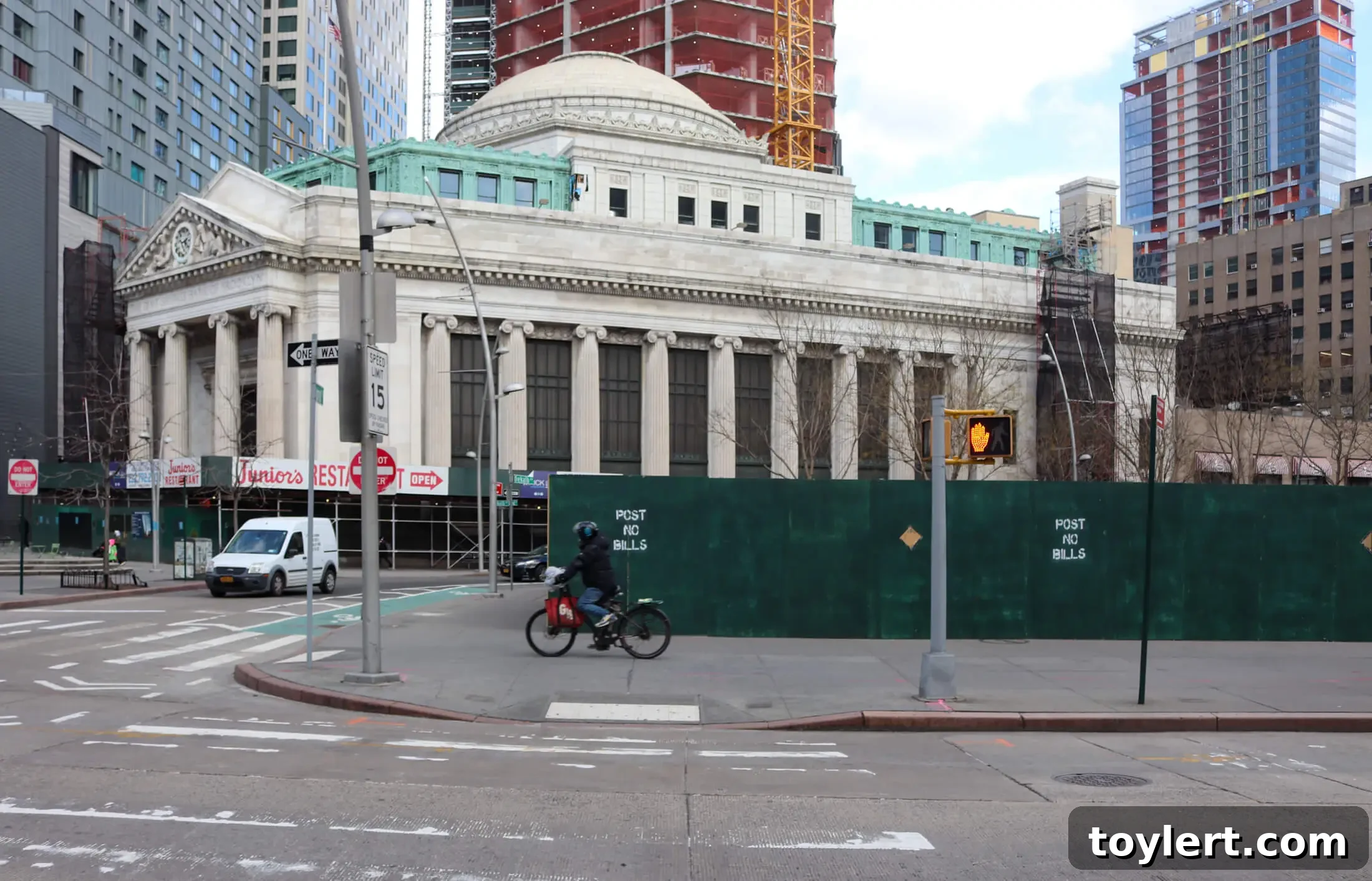
Downtown Brooklyn, a vibrant epicenter of commerce, culture, and residential life, is undergoing yet another significant transformation. A prominent triangular block, steeped in history and character, is currently being dismantled brick by brick. This ambitious demolition project, unfolding rapidly during the pandemic, marks a pivotal moment for the borough, reshaping a crucial intersection that has long been a focal point for locals and visitors alike. With 10 of the 16 original structures already reduced to rubble, the landscape fronting Fulton Street, Dekalb Avenue, Flatbush Extension, and Bond Street is irreversibly changing, paving the way for a new era of development.
The area, known for its dynamic energy and a seamless blend of historical architecture with modern high-rises, is witnessing a concentrated wave of urban renewal. This particular block, distinctive for its flatiron shape, has long served as a gateway to the bustling Fulton Street Mall and the broader Downtown Brooklyn commercial district. Its removal signifies not just the tearing down of old buildings, but the redefinition of an entire streetscape, inviting both anticipation for future possibilities and a sense of nostalgia for what once was.
The Disappearance of a Landmark: 547 Fulton Street and ESPO’s Iconic Mural
Among the buildings that have fallen, one held a special place in the hearts of many Brooklynites: 547 Fulton Street. Positioned strategically at the very tip of the flatiron-shaped block, this building offered a commanding view of Albee Square, a public plaza that serves as a community hub. More notably, it was adorned with a celebrated mural by the renowned street artist Steve “ESPO” Powers, which boldly declared, “All I Need Is You and New Shoes.” This captivating piece of public art was more than just paint on a wall; it was an integral part of Downtown Brooklyn’s visual identity, a quirky and poignant message that resonated with the spirit of the neighborhood. ESPO, famous for his accessible and often humorous text-based works, had created a piece that encapsulated urban romance and consumer culture in one simple, memorable phrase.
The demolition of 547 Fulton Street means the loss of this beloved mural, a significant cultural marker that added a unique artistic flair to the urban environment. While temporary, street art often becomes intertwined with the identity of a place, acting as a visual landmark for residents and a draw for tourists. Its disappearance underscores the fleeting nature of urban art and the constant flux of metropolitan landscapes. For many, ESPO’s mural was a subtle yet powerful reminder of Brooklyn’s artistic soul, a counterpoint to the towering glass and steel structures that increasingly define its skyline. Its removal sparks conversations about the balance between progress and preservation, and how cities evolve while striving to maintain their distinctive character and cultural narratives.
The Driving Force Behind the Demolition: RedSky Capital’s Vision
The extensive demolition work is primarily spearheaded by RedSky Capital, a prominent real estate development firm known for its significant investments and transformative projects across Brooklyn. RedSky Capital, often in partnership with other developers, has accumulated an impressive portfolio of properties in strategic locations throughout the borough, indicating a clear vision for the future of Downtown Brooklyn. This specific project is part of a larger strategy to redevelop the entire triangular block, signaling a major capital injection into the area’s real estate market. While specific detailed plans are often subject to change and city approvals, the scale of the demolition suggests an ambitious mixed-use development that will likely feature a combination of high-end retail, modern office spaces, and luxury residential units.
Developers like RedSky Capital are keenly aware of Downtown Brooklyn’s immense potential. Its superb transit connectivity, proximity to educational institutions, and burgeoning cultural scene make it an attractive location for both businesses and residents. The redevelopment of this crucial block is poised to further solidify Downtown Brooklyn’s status as a premier destination, drawing in new enterprises and residents seeking a dynamic urban lifestyle. The architectural design of the new structures will undoubtedly aim to be iconic, contributing to the district’s evolving modern aesthetic while maximizing floor space and capitalizing on the area’s commanding views.
Economic and Social Implications for Downtown Brooklyn
The redevelopment of such a significant block has far-reaching economic and social implications for Downtown Brooklyn. On the economic front, the new development promises a substantial boost through job creation during the construction phase and sustained economic activity once the buildings are occupied. New retail spaces will attract national and international brands, enhancing the area’s shopping experience and generating significant tax revenue for the city. Furthermore, the introduction of new office spaces could draw in major corporations, further diversifying Brooklyn’s commercial ecosystem and reducing reliance on Manhattan as the sole business hub.
Socially, the project introduces new dynamics. The influx of new residents, particularly in high-end residential units, will contribute to the ongoing demographic shifts in Downtown Brooklyn. While this brings new energy and investment, it also raises concerns about affordability and the displacement of long-standing local businesses and residents. Maintaining a diverse and inclusive community amidst rapid gentrification remains a critical challenge for urban planners and city officials. The redevelopment, therefore, is not merely about erecting new buildings; it’s about shaping the future social fabric and economic trajectory of one of New York City’s most vibrant boroughs. Public discussions and community engagement become crucial in ensuring that such large-scale developments benefit the broader community and not just a select few.
The Pandemic’s Shadow: Demolition in Unprecedented Times
The timing of this significant demolition during a global pandemic adds another layer of complexity and poignancy to the narrative. While construction and demolition activities were deemed essential in many phases of the pandemic, pushing forward with such a massive undertaking during a period of widespread uncertainty highlights the resilience and unwavering momentum of New York City’s real estate market. However, it also casts a unique shadow over the process. The absence of the usual hustle and bustle, the masked workers, and the stark contrast between rapid destruction and a city grappling with a health crisis, makes this transformation particularly striking.
The pandemic has reshaped urban living and working patterns, leading to questions about the future demand for office spaces and traditional retail environments. Developers are now tasked with designing spaces that are not only aesthetically pleasing and functional but also adaptable to evolving health and safety standards. This demolition and subsequent redevelopment project in Downtown Brooklyn will serve as an interesting case study, showcasing how major urban centers continue to evolve and adapt even in the face of unprecedented global challenges. It reflects a long-term confidence in Brooklyn’s future, a belief that despite temporary disruptions, its fundamental appeal as a place to live, work, and thrive remains robust.
Looking Ahead: The Future of a Transformed Corner
As the dust settles and new structures begin to rise from the footprint of the old, this triangular block will once again become a beacon, albeit a dramatically different one, for Downtown Brooklyn. The future development promises to integrate cutting-edge architecture, sustainable design principles, and a vibrant mix of uses that will contribute to the district’s ongoing revitalization. It represents a forward-looking vision for urban living, combining convenience, style, and connectivity.
The transformation of this prominent corner reflects the broader narrative of Brooklyn itself: a borough in constant motion, reinventing itself while striving to honor its rich past. While the loss of cherished landmarks like ESPO’s mural might evoke a sense of melancholy, the promise of new architecture, expanded amenities, and renewed economic vitality offers an exciting glimpse into the future. Downtown Brooklyn continues its dynamic evolution, and this pivotal redevelopment project stands as a testament to its enduring appeal and its crucial role in shaping the identity of New York City.