Downtown Brooklyn’s Dynamic Transformation: Unpacking the Unintended Outcomes of the 2004 Rezoning
Downtown Brooklyn has undergone a remarkable metamorphosis over the past two decades, evolving into one of New York City’s most vibrant and densely populated neighborhoods. While this surge in activity has undoubtedly brought economic growth and a renewed sense of urban dynamism to the area, it has also sparked significant debate regarding its original intent. The 2004 rezoning of Downtown Brooklyn, orchestrated by the Bloomberg Administration, was primarily conceived to establish the district as a premier commercial and office hub, a rival to Midtown Manhattan. However, the ensuing years have witnessed an unanticipated explosion in residential development, transforming the area into a landscape dominated by luxury condominiums and high-end rental apartments, a far cry from its initial vision.
This unexpected trajectory has prompted a crucial re-evaluation of the neighborhood’s evolving needs and the urban planning strategies required to sustain its growth responsibly. Addressing these burgeoning challenges, Borough President Eric Adams released a pivotal report titled “A Decade Later in Downtown Brooklyn.” This comprehensive analysis delves into the profound impacts of the 2004 rezoning, meticulously examining why residential construction significantly outpaced commercial building and outlining actionable steps the city can take to bolster Downtown Brooklyn’s infrastructure and foster a truly balanced, mixed-use future.
The Vision Behind the 2004 Downtown Brooklyn Rezoning
The 2004 rezoning initiative was a cornerstone of the Bloomberg Administration’s broader urban development strategy, aimed at decentralizing New York City’s economic power and creating new job centers outside of traditional Manhattan business districts. Downtown Brooklyn, with its strategic location, excellent transit access, and historical significance, was identified as a prime candidate for such an ambitious undertaking. The primary goal was to incentivize the construction of millions of square feet of new office space, attracting major corporations and creating thousands of jobs. Policy makers envisioned a bustling commercial district that would complement Manhattan, reducing commuting burdens for Brooklyn residents and stimulating local economic activity through a robust commercial tax base.
The rezoning introduced significant changes to zoning regulations, increasing allowable building heights and densities, particularly for commercial projects. Tax abatements and other incentives were also put in place to encourage developers to build office towers. The expectation was that these measures would unlock Downtown Brooklyn’s potential as a major employment center, fostering a diverse economic ecosystem that would benefit the entire borough. It was a bold plan designed to modernize the urban fabric, enhance public spaces, and position Downtown Brooklyn as a competitive business destination on a global scale.
From Commercial Hub to Residential Haven: An Unforeseen Shift
Despite the well-intentioned goals of the 2004 rezoning, the market forces that subsequently emerged led to a dramatically different outcome. Instead of the anticipated influx of new office buildings, Downtown Brooklyn experienced an unprecedented surge in residential construction. Several factors contributed to this unforeseen shift. The early 21st century saw a booming demand for housing in New York City, driven by population growth, changing lifestyle preferences, and a strong global economy that attracted significant real estate investment. Developers, seeing a more immediate and often more lucrative return on investment in residential projects, pivoted rapidly to meet this demand.
The rezoning’s increased density allowances, while intended for commercial use, were equally, if not more, appealing for residential developers. Constructing luxury condominiums and rental units proved to be a faster and less risky venture compared to speculative office building, which often requires anchor tenants and longer lease-up periods. Furthermore, the allure of Downtown Brooklyn as a residential neighborhood grew exponentially. Its proximity to Manhattan, excellent subway connections, and evolving cultural scene made it highly attractive to young professionals, families, and empty nesters alike. This confluence of high housing demand, favorable zoning, and developer incentives effectively transformed Downtown Brooklyn from a nascent commercial hub into a sprawling landscape of towering residential buildings, offering a mix of high-end and market-rate housing options.
Analyzing the Impact: Benefits and Burdens of Rapid Residential Growth
The rapid residentialization of Downtown Brooklyn has brought both significant benefits and considerable challenges, necessitating a careful assessment of its long-term sustainability.
Economic Vibrancy and Community Life
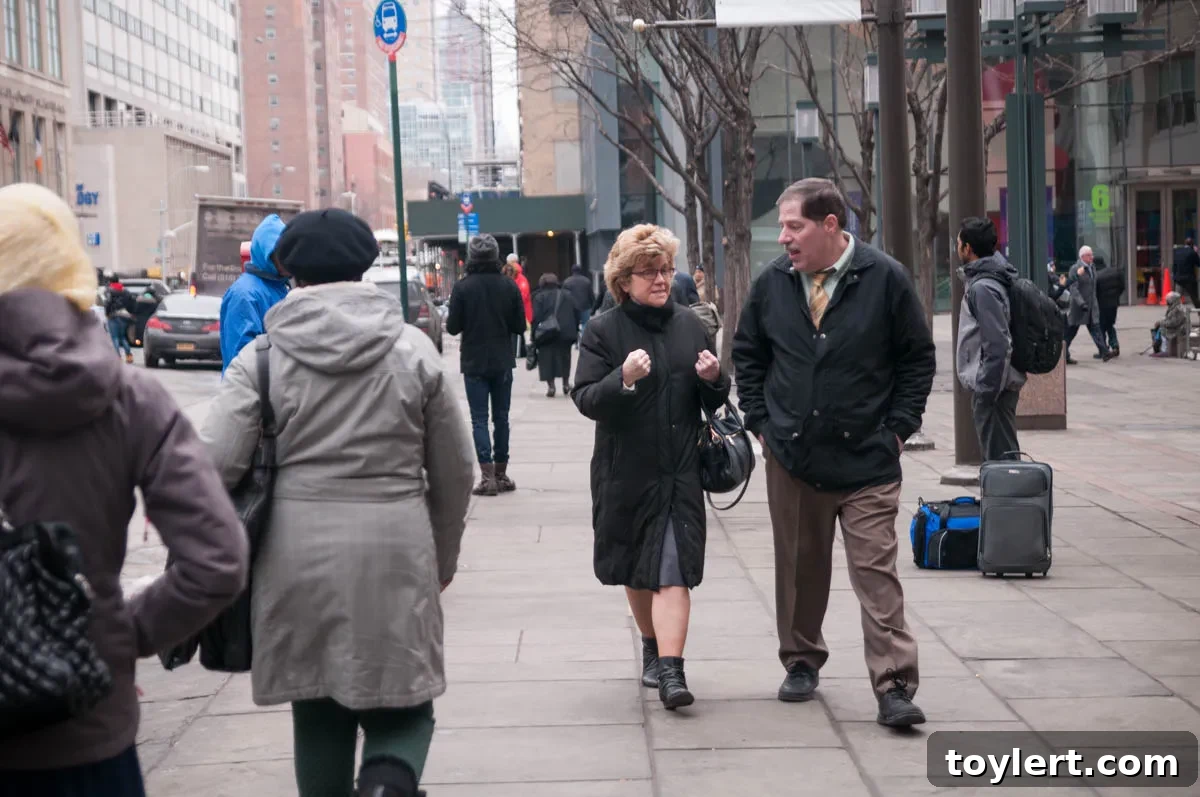
On the positive side, the influx of thousands of new residents has undeniably injected tremendous vitality into Downtown Brooklyn. The once quiet streets after business hours now teem with activity, fostering a vibrant street life. The increased population has stimulated the local economy, leading to the proliferation of new retail establishments, restaurants, cafes, and service businesses, catering directly to the needs and preferences of its diverse residents. This growth has created local jobs, enhanced the tax base, and attracted further private investment, making Downtown Brooklyn a dynamic and sought-after place to live and visit. The neighborhood has also seen the development of new public spaces and cultural institutions, enriching the quality of life for its inhabitants and drawing visitors from across the city.
Strained Infrastructure and Public Services
However, the sheer pace and scale of residential growth have placed immense strain on the existing infrastructure and public services, which were not designed to accommodate such a dramatic population boom. Public transportation, particularly the subway lines serving the area, frequently experiences overcrowding, leading to longer commute times and decreased rider satisfaction. Local schools are struggling to keep pace with the growing number of children, leading to overcrowded classrooms and the need for new facilities. Parks and green spaces, while some new ones have been created, remain insufficient for the substantially larger population, impacting residents’ access to recreational areas. Essential utilities, from water and sewer systems to waste management, face increased pressure, highlighting the critical need for significant upgrades and expansions to ensure the neighborhood’s long-term liveability and functionality.
The Challenge of Affordability and Equity
Another profound consequence of this residential explosion is the exacerbation of affordability challenges. As new luxury developments have proliferated, property values and rents have soared, making it increasingly difficult for long-term residents and low-to-middle-income families to afford to live in the area. This phenomenon, often referred to as gentrification, risks displacing existing communities and eroding the very diversity that defines Brooklyn. While some new developments include affordable housing components through inclusionary zoning, these measures often fall short of addressing the massive demand and impact of rising costs across the board. Ensuring that Downtown Brooklyn remains accessible and equitable for all income levels is a crucial challenge that must be addressed to foster a truly sustainable and inclusive urban environment.
Borough President Eric Adams’ Call for Strategic Re-evaluation
Recognizing these complex challenges and the deviation from the original rezoning goals, Borough President Eric Adams spearheaded the “A Decade Later in Downtown Brooklyn” report. This critical document serves as a comprehensive post-mortem of the 2004 rezoning, offering an in-depth analysis of its unintended consequences and proposing forward-thinking solutions. The report emphasizes the urgent need for the city to adapt its planning strategies to address the current reality of Downtown Brooklyn, rather than clinging to an outdated vision. It underscores the importance of a holistic approach that considers not just economic growth, but also infrastructure, social equity, and environmental sustainability.
“A Decade Later in Downtown Brooklyn”: Key Insights and Recommendations
While the full details of Adams’ report extend beyond the initial summary, its core message revolves around developing a more responsive and integrated strategy for Downtown Brooklyn’s future. Based on common urban planning principles and the report’s stated focus, key recommendations likely include:
- Fostering Commercial Development: Re-evaluating incentives to genuinely encourage the creation of new, high-quality office space and job opportunities, ensuring the area becomes more than just a bedroom community. This could involve targeted tax breaks, public-private partnerships, or streamlined approval processes for commercial projects.
- Enhancing Transit and Transportation Networks: Advocating for significant investment in subway capacity expansion, bus rapid transit solutions, and improved pedestrian and cycling infrastructure to alleviate congestion and accommodate the increased population.
- Investing in Public Spaces and Green Infrastructure: Expanding and improving existing parks, creating new public plazas, and developing green infrastructure solutions to enhance residents’ quality of life, mitigate climate impacts, and provide much-needed recreational space.
- Prioritizing Affordable Housing Initiatives: Strengthening inclusionary zoning policies, exploring new mechanisms for creating and preserving affordable housing units, and ensuring that future residential development contributes meaningfully to housing affordability across income spectrums.
- Expanding Educational and Community Resources: Securing funding and planning for new schools, libraries, community centers, and healthcare facilities to adequately serve the growing population and support robust community life.
The report underscores that a truly thriving urban center requires a delicate balance of living, working, and recreational spaces, supported by robust infrastructure. It advocates for a proactive planning approach that anticipates future needs rather than reacting to existing crises, ensuring Downtown Brooklyn’s growth is sustainable and equitable.
Crafting a Balanced Mixed-Use Future for Downtown Brooklyn
The ultimate goal for Downtown Brooklyn, as highlighted by Borough President Adams’ report, is to cultivate a truly balanced, mixed-use environment. This means moving beyond the current residential dominance to create a neighborhood where commercial, residential, retail, cultural, and public spaces seamlessly intertwine and mutually support each other. A successful mixed-use district is resilient, vibrant, and offers a high quality of life. It provides diverse job opportunities, a range of housing options, accessible green spaces, and a thriving cultural scene. Achieving this balance requires strategic planning that encourages varied development types, prioritizes community needs, and ensures equitable access to resources for all residents.
Lessons for Urban Planning: Adapting to Dynamic Cityscapes
The experience of Downtown Brooklyn offers valuable lessons for urban planners and policymakers worldwide. It demonstrates that even the most meticulously crafted rezoning plans can yield unexpected outcomes due to dynamic market forces and evolving societal needs. The case highlights the critical importance of adaptive planning – the continuous monitoring of urban development, regular post-implementation assessments, and the flexibility to adjust policies in response to real-world impacts. Cities must be prepared to re-evaluate their strategies, engage with communities, and invest proactively in infrastructure to support growth. The ability to learn from past experiences and pivot effectively is paramount in shaping truly sustainable and equitable urban environments for the future.
Conclusion: Charting Downtown Brooklyn’s Next Chapter
Downtown Brooklyn stands at a pivotal juncture in its ongoing evolution. The dramatic residential boom, while fostering vibrancy and economic activity, has underscored the critical need for a more integrated and forward-looking urban planning approach. Borough President Eric Adams’ report provides a crucial framework for understanding these complex dynamics and charting a more sustainable path forward. By strategically fostering commercial development, investing heavily in infrastructure, prioritizing affordable housing, and expanding public services, New York City can help Downtown Brooklyn realize its full potential as a truly balanced, mixed-use urban district. The challenge now lies in translating these insights into actionable policies that ensure Downtown Brooklyn’s future growth is not only robust but also equitable, resilient, and serves the needs of all its residents and businesses for decades to come.