Shaping the Future: Join the Historic Preservation Conversation with HDC
Are you passionate about safeguarding our invaluable architectural heritage and ensuring that the stories embedded within our historic buildings endure for generations to come? Do you believe that the future of our urban landscapes should be shaped by the collective wisdom and diverse perspectives of the community? Then mark your calendars for an unparalleled event designed to foster exactly that: meaningful dialogue and collaborative action in the realm of historic preservation.
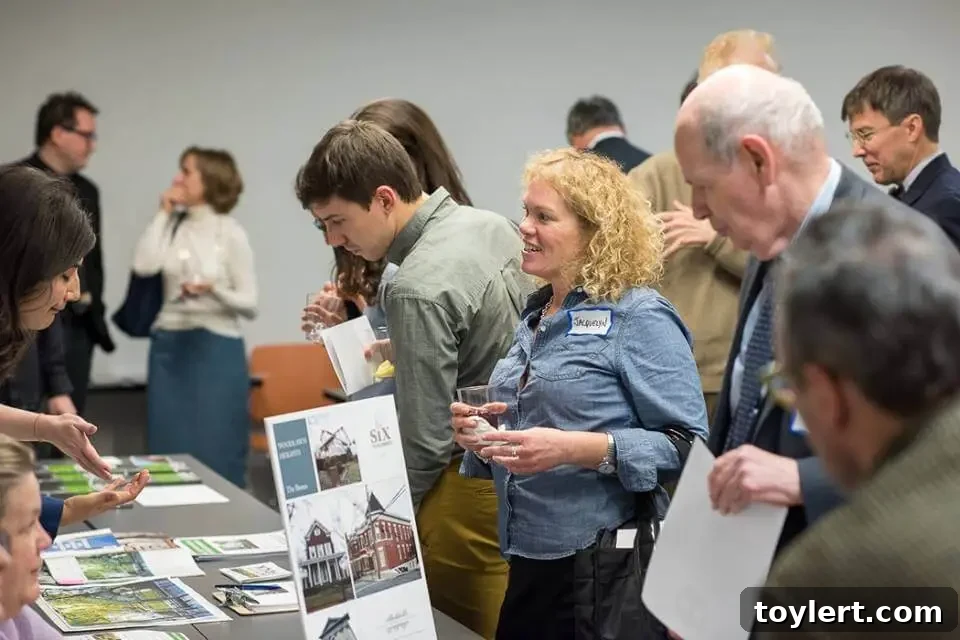
On March 3, the esteemed Historic Districts Council (HDC), a leading nonprofit organization dedicated to preserving New York City’s historic neighborhoods, will host its highly anticipated annual conference. This isn’t just another lecture series; it’s a dynamic, participant-driven forum where your insights and experiences are not merely welcomed, but are absolutely integral to the discussions. Unlike conventional conferences where audiences passively absorb information from a pre-selected panel of experts, HDC’s model champions an environment where every attendee has the opportunity to contribute, debate, and collaboratively forge innovative solutions for urban revitalization and building conservation.
An Innovative Approach to Collaborative Learning: The Un-Conference Model
The HDC annual conference distinguishes itself through its innovative “un-conference” format, a refreshing departure from traditional academic gatherings. This unique structure ensures that the agenda truly reflects the most pressing concerns and topics that matter most to the preservation community right now. Instead of a fixed schedule determined months in advance, the conference topics are dynamically decided on the very morning of the event, empowering attendees to directly influence the day’s discussions.
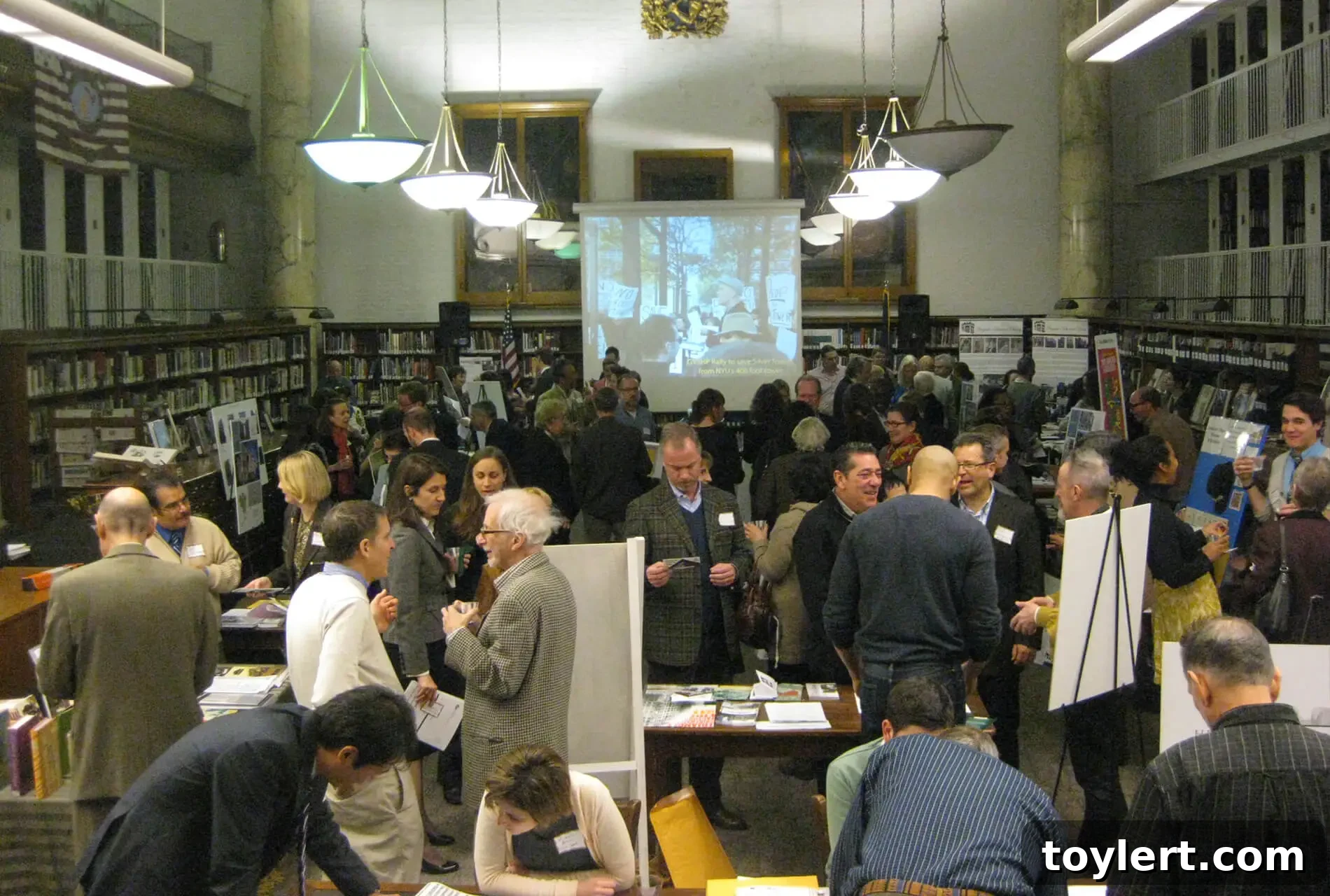
Here’s how it works: Participants are invited to propose and sign up to lead sessions on subjects they are passionate about or have expertise in. Following an inspiring keynote address that sets the stage and frames the broader context of current preservation challenges and opportunities, the audience then casts their votes for their preferred sessions. From these proposals, twelve possible sessions are selected, which then form the comprehensive and engaging schedule for the entire day. This democratic process ensures that the discussions are always relevant, timely, and driven by the collective interests of those actively involved in preservation.
Attendees are not confined to a single track; rather, they are actively encouraged to move freely from room to room, exploring different sessions as their interests dictate. This flexibility allows for a richer, more diverse learning experience, enabling participants to dip into various topics, engage with a wider array of professionals and enthusiasts, and gain the most comprehensive understanding from the day’s offerings. It fosters an environment of continuous learning, cross-pollination of ideas, and dynamic interaction, making it an invaluable experience for anyone invested in the future of our built environment.
Why Historic Preservation Matters: Beyond Bricks and Mortar
The importance of historic preservation extends far beyond merely saving old buildings. It’s a multifaceted discipline that plays a crucial role in shaping vibrant communities, preserving cultural identity, and fostering sustainable urban development. By protecting and adaptively reusing historic structures, we are not only honoring the past but also making intelligent investments in our future. These tangible links to history provide a sense of place, continuity, and belonging that is often lost in rapidly developing urban areas.
Economically, historic preservation is a powerful engine for local development. Rehabilitating historic buildings creates local jobs, attracts tourism, stimulates small businesses, and often leads to increased property values in surrounding areas. It encourages investment in existing infrastructure, reducing the need for costly new construction and conserving resources. Moreover, the unique character of historic districts can be a significant draw for residents and businesses seeking authentic, distinctive environments.
Environmentally, preservation is a cornerstone of sustainability. The greenest building is often one that already exists. Reusing historic structures reduces landfill waste, conserves raw materials, and minimizes the energy consumption associated with new construction. It embodies principles of resource efficiency and sustainable living, aligning perfectly with modern environmental goals and promoting a circular economy within the built environment.
Culturally, historic buildings are repositories of our collective memory and identity. They tell stories of the people, events, and innovations that shaped our communities. Preserving them ensures that these narratives continue to educate and inspire future generations, fostering a deeper understanding of our heritage and promoting cultural diversity. It allows us to learn from the past, appreciate the craftsmanship of previous eras, and maintain a tangible connection to our roots.
The Historic Districts Council: A Beacon for Preservation Advocacy
For decades, the Historic Districts Council has stood as New York City’s advocate for historic neighborhoods, buildings, and cultural landscapes. As a non-profit organization, HDC works tirelessly to empower local communities and individuals to protect their architectural heritage through education, advocacy, and technical assistance. Their mission is rooted in the belief that community involvement is paramount to successful preservation efforts.
HDC’s work encompasses a wide range of activities, including reviewing proposed changes to designated historic properties, offering guidance on preservation best practices, and actively lobbying for stronger preservation policies at city and state levels. They serve as a vital resource for community groups, property owners, and public officials, providing the tools and knowledge necessary to navigate the complexities of preservation regulations and achieve positive outcomes. The annual conference is just one manifestation of their commitment to fostering an informed and engaged preservation community.
Who Should Attend and What You Can Gain
This conference is designed for a broad audience, reflecting the diverse facets of the preservation movement. Whether you are an architect, urban planner, historian, community activist, property owner in a historic district, a student of preservation, or simply a concerned citizen with a love for local history and distinctive architecture, this event offers invaluable opportunities. It’s a rare chance to connect with like-minded individuals, share challenges and successes, and contribute to the collective wisdom of the field.
Attendees can expect to gain a wealth of benefits: acquire new knowledge and skills from peer-led discussions, network with professionals and community leaders from various backgrounds, find inspiration for local projects, and even influence the broader discourse on preservation policy. The interactive format encourages direct engagement, allowing you to ask questions, share your own experiences, and perhaps even discover innovative solutions to specific preservation dilemmas you might be facing. It’s an ideal platform for professional development and personal growth within the preservation community.
Your Voice, Your Impact: Shaping the Future of Preservation
The participant-driven nature of the HDC conference underscores a fundamental truth: the future of historic preservation depends on active community engagement. Each voice contributes to a richer, more nuanced understanding of the challenges and opportunities at hand. By proposing a session, voting on topics, or simply participating in the discussions, you are directly contributing to the intellectual capital of the preservation movement and helping to shape its future direction.
This is more than just a day of learning; it’s an opportunity to be part of a vibrant, passionate community working towards a common goal: ensuring that the unique character and history of our places are cherished and protected for future generations. The insights generated, the connections made, and the inspiration sparked at this conference have a ripple effect, empowering attendees to return to their communities with renewed vigor and actionable strategies.
Don’t miss this chance to connect, learn, and contribute. Join the Historic Districts Council on March 3 for an unforgettable day of collaborative preservation conversation. Your perspective is not just valuable; it’s essential to the ongoing effort to preserve our collective heritage and build sustainable, historically rich communities. Be a part of the movement that champions our past for a brighter future.