Brooklyn’s Enduring Legacy: A Deep Dive into 2021 Landmark Designations
As the curtain drew on 2021, a pivotal year for urban landscapes and historical recognition, the Landmarks Preservation Commission (LPC) continued its vital work of safeguarding New York City’s architectural and cultural heritage. Each year, communities eagerly anticipate the LPC’s decisions, which shape the future of significant buildings and neighborhoods across the five boroughs. In Brooklyn, a borough renowned for its rich tapestry of history, diverse architecture, and vibrant communities, 2021 proved to be a remarkably quiet year for new designations, with just a solitary individual landmark receiving approval. Yet, this single designation, a culmination of decades of tireless advocacy and community effort, stands as a profound testament to the power of preservation and the enduring spirit of historical inquiry.
The Solitary Star of 2021: The Harriet and Thomas Truesdell House at 227 Duffield Street
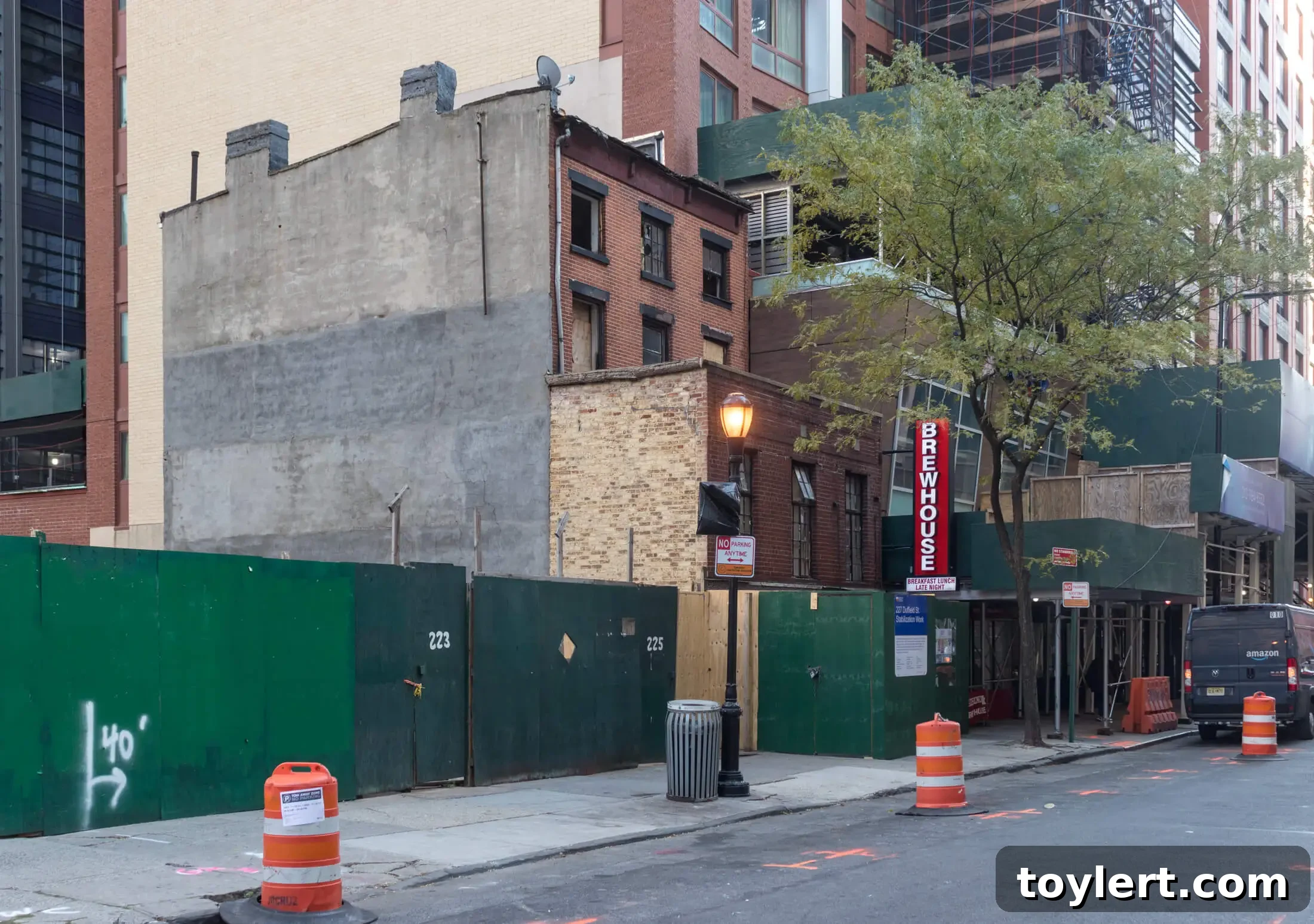
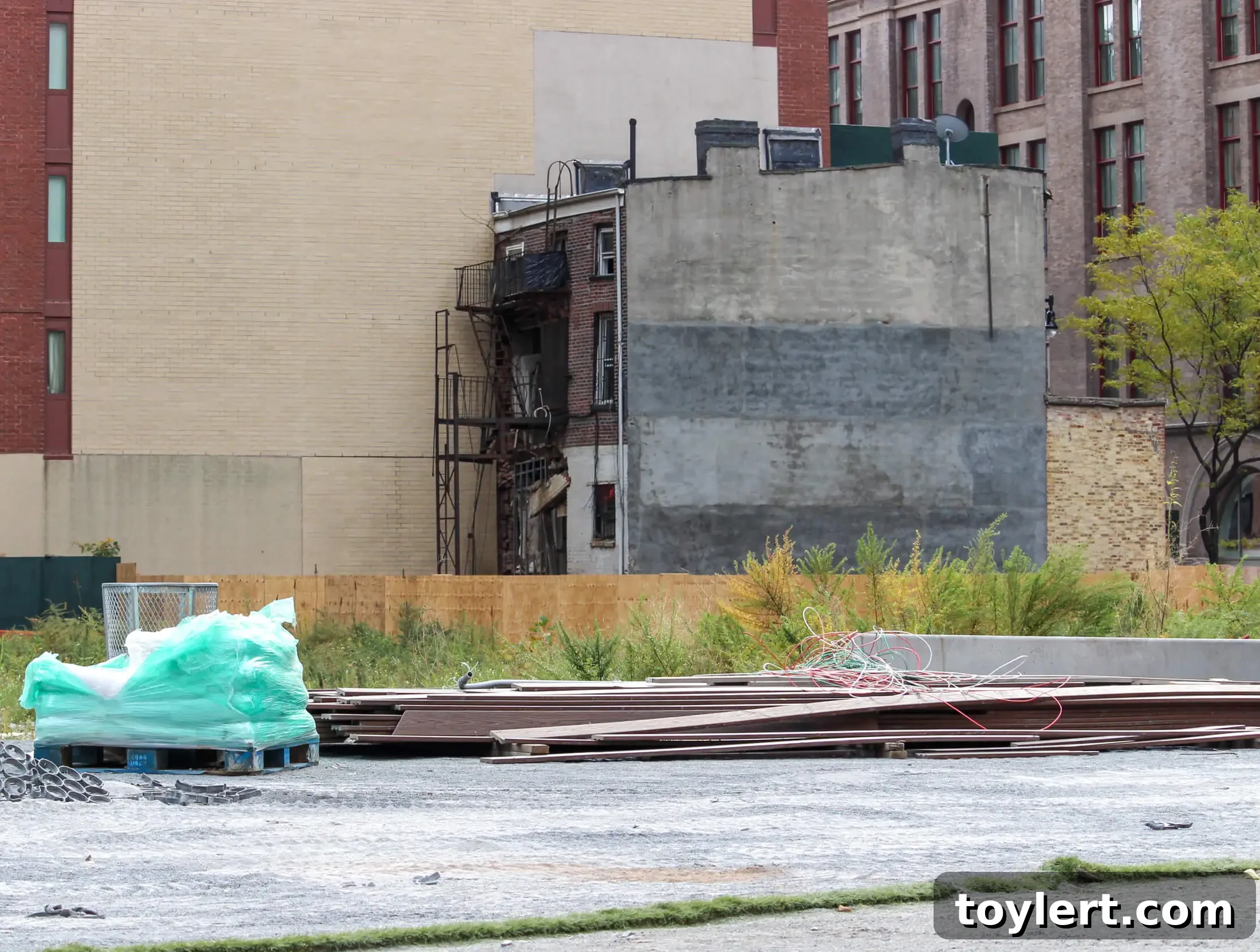
Amidst the ever-evolving cityscape of Downtown Brooklyn, where modern high-rises increasingly dominate a landscape once characterized by charming brick and frame houses, a true historical gem received its long-awaited recognition. The Harriet and Thomas Truesdell House, located at 227 Duffield Street, proudly stands as the last remaining vestige of its kind on a block that has undergone dramatic transformation. Erected between 1848 and 1851, this stately three-story brick residence has transcended its architectural origins to become a powerful symbol of courage and resistance. Its designation was not merely about bricks and mortar, but about honoring the extraordinary legacy of its former inhabitants, Harriet and Thomas Truesdell, active abolitionists who resided there from 1851 to 1863, transforming their home into a potential haven for those fleeing enslavement.
A Beacon of Freedom: The Truesdell Legacy and Brooklyn’s Abolitionist Movement
The significance of the Truesdell House extends far beyond its architectural charm. It serves as a tangible link to a pivotal, yet often overlooked, chapter of American history: the abolitionist movement in Brooklyn. Harriet and Thomas Truesdell were not passive observers; they were dedicated activists deeply embedded in the local and national struggle against slavery. Their home, situated in a bustling urban center, was strategically positioned to play a crucial role in the clandestine network known as the Underground Railroad. While direct documentary evidence for every ‘station’ on the Underground Railroad is rare due to the inherent secrecy of its operations, the Truesdells’ known abolitionist activities, coupled with the house’s location and historical context, strongly suggest its involvement as a safe house for freedom seekers. This house, therefore, embodies the bravery of countless individuals who risked their lives to defy injustice, offering refuge, guidance, and hope to those desperately seeking liberty.
Brooklyn, in the mid-19th century, was a hotbed of abolitionist sentiment. Churches, community halls, and private residences often served as meeting points and safe havens. Figures like Henry Ward Beecher and other prominent abolitionists had strong ties to the borough, fostering an environment ripe for resistance. The Truesdells’ commitment to this cause placed their home at the heart of a moral battle that ultimately reshaped the nation. Recognizing their home as a landmark not only preserves a physical structure but also illuminates the profound human stories of courage, compassion, and defiance that unfolded within its walls. It’s a reminder that ordinary citizens played extraordinary roles in the fight for human rights, transforming their private spaces into battlegrounds for freedom.
Architectural Resilience: A Glimpse into 19th-Century Downtown Brooklyn
Beyond its abolitionist narrative, 227 Duffield Street offers a valuable architectural glimpse into Downtown Brooklyn during the mid-19th century. Built in the popular Italianate style, characteristic of the period, the house features a modest yet elegant brick facade, indicative of the burgeoning middle-class residences that once lined the street. Its survival amidst the aggressive redevelopment of the area is nothing short of miraculous. For decades, Duffield Street, once a residential thoroughfare, has been steadily transformed into a dense commercial and civic hub. High-rise office buildings, residential towers, and government structures have replaced much of the historic fabric, making the Truesdell House an increasingly rare and precious artifact. Its designation ensures that future generations can witness, firsthand, a piece of Brooklyn’s architectural past, providing a stark contrast to its contemporary surroundings and fostering a deeper understanding of urban evolution.
The house’s simple, sturdy construction speaks to a bygone era of craftsmanship and urban planning. Its three stories, typical of row houses of its time, provided ample space for a family and, importantly, for the covert activities associated with the Underground Railroad. The details, such as the window treatments and the brickwork, while unassuming, are authentic to its period of construction. This preservation effort highlights not just grand mansions but also the homes of everyday people who shaped history, allowing us to connect with the texture of daily life in 19th-century Brooklyn.
The Battle for Preservation: Decades of Advocacy and a Landmark Victory
The journey to landmark designation for 227 Duffield Street was anything but straightforward. It was a process initiated in 2020when the house was first “calendared” by the LPC, signaling its potential for designation. However, the true struggle for its preservation had been ongoing for decades, involving a persistent and dedicated coalition of community activists, historians, and local residents. This complicated struggle unfolded against a backdrop of competing interests, particularly from developers eager to acquire prime Downtown Brooklyn real estate. The property’s tangled ownership history, which included records of developers making strikingly low payments to long-time owners, further complicated efforts to secure its future.
Activists tirelessly campaigned, highlighting the house’s profound historical significance, especially its connection to the Underground Railroad, which was at risk of being erased. Public hearings were held, petitions circulated, and stories shared, all underscoring the irreplaceable value of 227 Duffield Street. The culmination of these efforts arrived in February of this year, when the LPC cast a unanimous vote to officially designate the Harriet and Thomas Truesdell House as an individual New York City Landmark. This victory was a monumental achievement, celebrating not only the building itself but also the unwavering commitment of those who fought to protect it, ensuring that a crucial piece of abolitionist history would not be lost to development.
A New Chapter: City Acquisition and Future Stewardship
With the landmark designation secured, a new and crucial chapter began for 227 Duffield Street. In a significant move that solidified its long-term preservation, the property’s ownership was finally secured by the city. In March 2021, the Department of Citywide Administrative Services (DCAS) finalized the purchase of the building for $3.2 million. This acquisition marked a pivotal moment, transforming the house from a vulnerable private property into a publicly owned asset, thereby guaranteeing its protection for generations to come. The financial investment by the city underscores the profound recognition of the house’s historical and cultural value.
Following the purchase, work to stabilize the building commenced almost immediately. Given its age and the decades of uncertainty surrounding its fate, structural stabilization is a critical first step. This essential work involves assessing the building’s condition, making necessary repairs to ensure its integrity, and protecting it from further deterioration. This initial phase is crucial for preparing the house for its eventual restoration and, potentially, its opening to the public. While the exact long-term plans for 227 Duffield Street are still evolving, the city’s commitment suggests its future as a vibrant educational and interpretive center, a place where the stories of Harriet and Thomas Truesdell, and the broader narrative of Brooklyn’s role in the fight for freedom, can be shared with all who visit.
The Role of the Landmarks Preservation Commission (LPC) in Brooklyn’s Heritage
The Landmarks Preservation Commission plays an indispensable role in safeguarding New York City’s built environment. Established in 1965, its mission is to protect architecturally, historically, and culturally significant buildings and sites. The process for designation is rigorous, involving extensive research, public hearings, and careful deliberation based on specific criteria such as architectural merit, historical association, and cultural significance. While 2021 may have seen only one individual landmark designated in Brooklyn, this does not diminish the LPC’s ongoing commitment or the continuous efforts to identify and evaluate potential landmarks across the borough. Many properties are constantly under review, and the process can often be lengthy, extending over several years as historical documentation is gathered and community input is considered.
The Truesdell House designation exemplifies the LPC’s dedication to preserving sites that tell the fuller, more complex story of the city. It highlights the importance of recognizing not just grand public buildings, but also residences that served as quiet, yet powerful, catalysts for social change. In a borough as dynamic and rapidly developing as Brooklyn, the LPC’s work is crucial for maintaining a balance between progress and preservation, ensuring that the echoes of the past are not drowned out by the clamor of the present.
Looking Ahead: The Future of Historic Preservation in Brooklyn
The designation of the Harriet and Thomas Truesdell House serves as a powerful reminder of Brooklyn’s rich and layered history, a narrative woven with threads of activism, resilience, and profound social change. As Brooklyn continues to evolve, the ongoing importance of historic preservation cannot be overstated. Each landmark preserved is a tangible link to our past, offering invaluable lessons and inspiration for the future. It allows us to understand where we come from, appreciate the struggles and triumphs of those who came before us, and connect with the unique identity of our neighborhoods.
The success of the Truesdell House preservation effort demonstrates the impact of community advocacy and the commitment of city agencies when working in concert. It sets a precedent and encourages continued vigilance and passion for identifying and protecting other irreplaceable historical sites across Brooklyn. As we look ahead, the hope is that this solitary but significant designation from 2021 will inspire more individuals and groups to champion the cause of historic preservation, ensuring that Brooklyn’s diverse heritage continues to be recognized, celebrated, and protected for generations to come.