Dumbo’s 247 Water Street: From Contentious Past to Potential Luxury Hotel
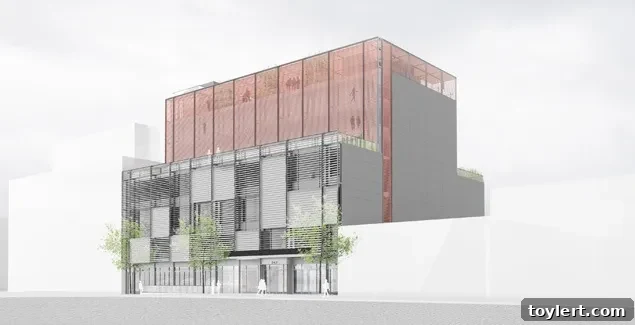
The vibrant, cobblestone streets of Dumbo, Brooklyn, are renowned for their stunning waterfront views, thriving arts scene, and a unique blend of industrial heritage and modern innovation. Amidst this dynamic landscape, a property with a particularly storied past at 247 Water Street has once again captured the attention of developers, residents, and urban planners alike. This iconic address, infamous for a notorious landlord-tenant dispute and a subsequent fire, is now poised for a transformative future: a potential luxury hotel development that promises to reshape a corner of this coveted neighborhood.
A Site Steeped in History and Controversy
The journey of 247 Water Street has been anything but straightforward. For years, the building was at the epicenter of a protracted and often bitter conflict between its then-owner and long-term tenants. Such disputes are not uncommon in rapidly gentrifying areas like Dumbo, where rising property values and development pressures often clash with the desire to preserve existing communities and affordable housing. The situation at 247 Water Street escalated dramatically, culminating in a devastating fire that left the structure significantly damaged and its future uncertain. This history serves as a poignant reminder of the complex social and economic forces at play in Brooklyn’s most desirable locales, adding a layer of intrigue to any future development proposals.
The challenges faced by the original residents and the building’s tumultuous past have left an indelible mark on its legacy. Any new project at this site must navigate not only zoning regulations and architectural considerations but also the collective memory of the community. The very notion of transforming a building with such a difficult history into a symbol of modern luxury presents both an opportunity for renewal and a delicate balancing act for developers and designers, ensuring that respect for the past is woven into the fabric of the future.
Dumbo: A Prime Location for Hospitality
Dumbo, an acronym for “Down Under the Manhattan Bridge Overpass,” has evolved dramatically from its industrial roots into one of New York City’s most sought-after neighborhoods. Its strategic location offers unparalleled views of the Manhattan skyline, the Brooklyn Bridge, and the East River, drawing millions of tourists annually. Beyond its picturesque aesthetics, Dumbo is also a bustling hub for technology startups, creative agencies, and high-end retail, making it a magnet for both leisure and business travelers.
The demand for premium accommodation in Dumbo has steadily grown, driven by its unique charm and proximity to major attractions in both Brooklyn and Manhattan. Visitors are drawn to its historic architecture, vibrant arts scene, excellent dining options, and easy access to Manhattan via multiple subway lines and the scenic East River Ferry. A luxury hotel at 247 Water Street would not only cater to this existing demand but also further elevate Dumbo’s status as a premier destination, providing a much-needed increase in high-quality lodging options for an area that continues to attract global attention. Its presence would undoubtedly enhance the local economy by drawing more visitors to explore Dumbo’s distinctive offerings.
The Vision: AB Architekten’s Ambitious Design
The current owner’s ambition to transform this challenging site into a landmark hotel began with a new building application filed in January. The initial proposal outlined a seven-story hotel, aiming to partially preserve the existing structure – a thoughtful nod to the building’s history and the neighborhood’s appreciation for its industrial heritage. However, these initial plans encountered obstacles and were subsequently disapproved in April, signaling the rigorous review process projects of this scale undergo in New York City. Such early rejections are not uncommon and often lead to refined proposals that better address regulatory requirements and community feedback.
Despite the initial setback, the vision for 247 Water Street remains compelling, as evidenced by the detailed renderings and descriptions released by AB Architekten. Their conceptual design presents an even grander eight-story hotel, boasting approximately 46,000 square feet of meticulously designed space. The architectural firm’s vision emphasizes a blend of modern sophistication with elements that respectfully acknowledge Dumbo’s unique character. The renderings suggest a structure that is both contemporary and contextual, aiming to integrate seamlessly into the existing streetscape while making a distinct architectural statement.
The proposed amenities are crafted to meet the expectations of discerning travelers seeking a luxury experience in Brooklyn. Plans include a high-end restaurant, offering gourmet dining experiences that could become a destination in itself, attracting both hotel guests and local residents. Multiple lounges are envisioned as sophisticated spaces for relaxation, networking, and socializing, potentially featuring panoramic views of the surrounding urban landscape, including glimpses of the iconic bridges and Manhattan skyline. Furthermore, a state-of-the-art gym and fitness center underscores the hotel’s commitment to wellness, catering to guests who prioritize their health and routine even while traveling. These comprehensive facilities are designed not just for hotel guests but also to potentially serve as vibrant community spaces, attracting locals and fostering a dynamic environment within the building, contributing to the area’s lively atmosphere.
Navigating Development Challenges and Community Expectations
Developing a property with such a contentious past in a historically significant and highly sought-after neighborhood like Dumbo presents numerous challenges. The initial disapproval of the seven-story plan highlights the strict regulatory environment and the careful scrutiny applied to new constructions in areas with special zoning considerations, particularly within New York City’s Landmark Preservation District. Developers often face the delicate task of balancing ambitious design goals with community concerns, historic preservation guidelines, and environmental impact assessments. Navigating this intricate web of regulations and stakeholder interests requires significant expertise and a collaborative approach.
The concept of “partially preserving the existing structure” is particularly noteworthy and aligns with modern urban development philosophies. This approach reflects a growing trend to honor a site’s history while embracing modern functionality and sustainability. For 247 Water Street, it could mean integrating original facades, structural elements, or historical motifs into the new design, creating a powerful dialogue between past and future. Such preservation efforts can enhance the unique identity of a building, contributing to the rich tapestry of Dumbo’s architectural landscape, rather than erasing its narrative entirely. This careful balance can often result in buildings that are both historically resonant and functionally innovative.
Community engagement will undoubtedly play a crucial role in the eventual success and acceptance of this project. Residents of Dumbo are deeply invested in their neighborhood’s character and are often vocal about development proposals, advocating for designs that complement the area and address potential impacts. Successful projects typically involve transparent communication, addressing concerns related to increased traffic, potential noise disturbances during construction and operation, shadow impacts on neighboring properties, and maintaining the area’s unique charm and scale. A hotel at this location, while bringing economic benefits, also needs to consider its integration into the daily lives of those who call Dumbo home, ensuring it enhances rather than detracts from the local quality of life.
Economic Impact and Future Outlook
Should the hotel project at 247 Water Street eventually come to fruition, its economic impact on Dumbo and broader Brooklyn would be substantial. A luxury hotel would create numerous job opportunities, from skilled construction labor during its development phase to a wide range of hospitality staff roles, including management, culinary arts, housekeeping, and guest services. It would also contribute significantly to the local tax base through property and sales taxes, providing vital revenue for public services and community initiatives. Furthermore, by attracting affluent visitors, the hotel could stimulate local businesses, including restaurants, boutiques, and art galleries, further cementing Dumbo’s reputation as a prime tourist destination and a vibrant economic hub.
The initial completion schedule, which optimistically aimed for this year, has clearly been impacted by the planning hurdles. However, development in New York City is often a marathon, not a sprint. It is common for large-scale projects, especially those in historically sensitive areas, to undergo multiple revisions, resubmissions, and extended periods of public review before final approval. The commitment shown by the owner and the detailed vision from AB Architekten suggest that this project is far from over. Revised plans, potentially addressing the specific reasons for the initial disapproval and incorporating community feedback, are likely to emerge, offering new insights into the future of this pivotal Dumbo address and its potential to become a cornerstone of the neighborhood’s evolving landscape.
A New Chapter for Water Street
The proposed hotel at 247 Water Street represents more than just a new building; it symbolizes a potential new chapter for a site that has witnessed significant historical events and community struggles. As Dumbo continues its trajectory as a global hotspot, the integration of thoughtful, high-quality hospitality developments is crucial for meeting the demands of its growing appeal while preserving its unique character. The transformation of this contentious location into a welcoming, luxurious destination could serve as a powerful testament to urban renewal, blending respect for the past with an ambitious, forward-looking vision for the future.
The ongoing discussions surrounding its design, its integration into the historic fabric of Dumbo, and its potential impact on the community are vital. The ultimate outcome of this project will not only define the fate of 247 Water Street but also offer a compelling case study in sustainable and community-conscious urban development in one of New York City’s most cherished neighborhoods. Its success will undoubtedly contribute to Dumbo’s continued growth as a vibrant, desirable destination for both residents and visitors.
For a deeper dive into the architectural vision and to view additional renderings, we encourage you to explore project details directly on AB Architekten’s official website. We invite our readers to share their thoughts on this exciting proposal. What are your expectations for a luxury hotel in Dumbo? How do you envision a balance between preserving history and embracing modern development at such a significant and unique location?