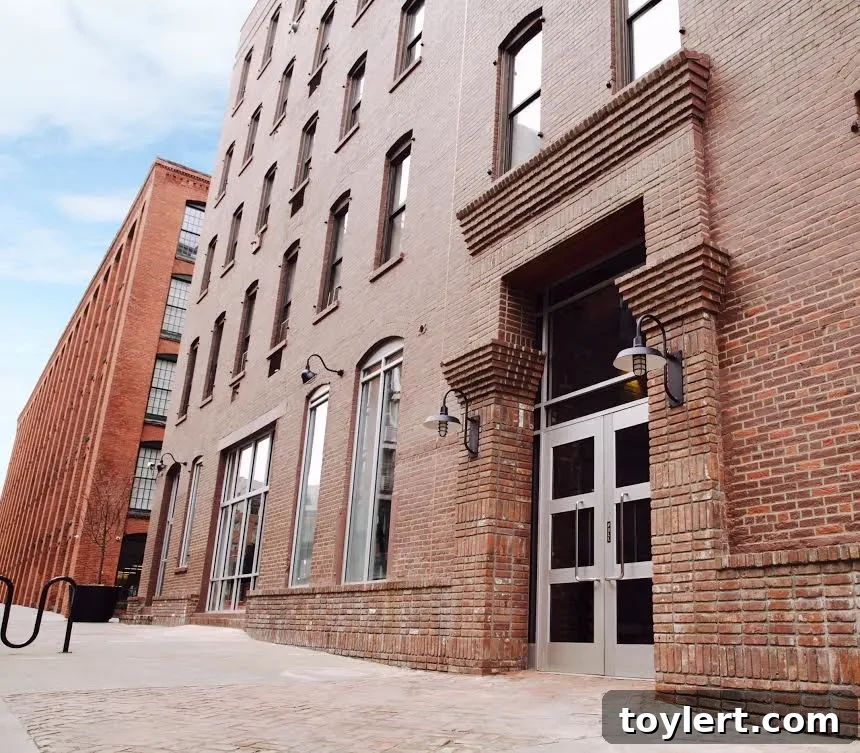
Revitalizing History: The Grand Restoration of 50 Bridge Street Condos in Dumbo, Brooklyn
In the vibrant, historic waterfront neighborhood of Dumbo, Brooklyn, a significant restoration project has recently concluded, breathing new life into one of its most iconic buildings. The luxury condominium building located at 50 Bridge Street, a structure steeped in history and architectural significance, has proudly unveiled the results of an extensive $3.5 million exterior renovation. Spanning two-and-a-half years, this meticulous project has not only enhanced the building’s aesthetic appeal but also reinforced its structural integrity, ensuring its enduring presence as a beacon of 19th-century industrial elegance in a rapidly evolving urban landscape. For residents and admirers alike, the completion of this monumental undertaking marks a triumphant return to the building’s original grandeur, seamlessly blending historic charm with modern luxury.
A Landmark Transformation: From Industrial Powerhouse to Elite Residence
The story of 50 Bridge Street is a quintessential narrative of Dumbo’s own transformation. Erected in 1894, the building originally served as a bustling hub for a soap manufacturing company, a testament to Brooklyn’s industrial prowess during the late 19th century. Its robust construction and distinctive architectural style were designed for utility and endurance, characteristics that would later become highly coveted in the residential market. For over a century, the building stood as a silent witness to the changing tides of industry and urban development. However, as the 21st century dawned, Dumbo began its metamorphosis from an industrial zone into one of New York City’s most sought-after residential enclaves. In 2004, 50 Bridge Street embarked on its next chapter, successfully converting into a prestigious 58-unit luxury condominium building. This conversion cleverly retained much of its industrial heritage while integrating the sophisticated amenities and finishes demanded by discerning modern urban dwellers. The recent exterior restoration project is a continuation of this commitment to preserving the building’s soul while providing an unparalleled living experience for its residents.
The Multi-Million Dollar Facade Renewal: Unveiling 19th-Century Grandeur
The decision to undertake such an ambitious restoration was driven by a deep respect for the building’s past and a forward-thinking vision for its future. The exterior, exposed to over a century of elements and urban wear, was in need of comprehensive attention. The $3.5 million investment focused on critical areas, most notably the building’s magnificent original brick facade. This extensive project meticulously addressed issues ranging from wear and tear to structural integrity, ensuring the building’s longevity and enhancing its visual prominence.
Understanding the Scope: A 2.5-Year Commitment to Excellence
The restoration was a complex endeavor, requiring specialized skills and a significant time commitment. Over two and a half years, workers carefully executed a multi-faceted plan. A primary focus was on comprehensive waterproofing, a crucial step to protect the building from moisture infiltration, which can lead to significant structural damage over time. This involved sealing joints, repairing mortar, and ensuring the building envelope was entirely secure against the elements. Simultaneously, a painstaking process of stripping layers of old paint from the original brick facade commenced. This wasn’t merely a cosmetic update; it was an archaeological effort to reveal the authentic beauty of the 19th-century brickwork, often concealed beneath decades of coatings that diminished its natural texture and color. The combined efforts have resulted in a facade that is not only robustly protected but also visually stunning, showcasing the rich character of its historic materials.
The Art and Science of Historic Brick Restoration
Restoring a historic brick facade is a delicate balance of art and science. It requires an understanding of traditional masonry techniques coupled with modern waterproofing solutions. The process typically involves several key stages: detailed assessment of the existing conditions, meticulous cleaning to remove grime and previous coatings without damaging the brick, careful repointing of mortar joints using historically accurate materials and methods, and finally, comprehensive waterproofing treatments. For 50 Bridge Street, this meant carefully evaluating each section of the facade, identifying areas of decay or damage, and implementing tailored solutions. Stripping old paint, particularly from porous materials like brick, demands precision to avoid damaging the underlying surface. The goal was to restore the brick to its original appearance, allowing its natural hues and textures to shine through, a visual tribute to the craftsmanship of its original builders. This commitment to authenticity ensures that the building continues to contribute significantly to Dumbo’s unique architectural tapestry.
Architectural Significance and Collaboration with Landmarks
The architectural style of 50 Bridge Street is a magnificent example of 19th-century industrial architecture. Characterized by its sturdy brick construction, large windows designed to maximize natural light for factory operations, and a pragmatic yet elegant design, these buildings represent a crucial era in New York City’s development. “We are thrilled by these significant renovations that have resulted in the restoration of much of our building’s original character,” proudly stated the condo’s board in a press release. They further emphasized, “The building is a beautiful example of 19th-century industrial architecture and we have worked closely with Landmarks throughout this project.” This collaboration with the New York City Landmarks Preservation Commission (LPC) was integral to the project’s success. Working with Landmarks ensures that any modifications or restorations to historically significant buildings adhere to strict guidelines, preserving the city’s architectural heritage. This collaborative approach underscores the commitment to authenticity and the deep respect for the building’s historical context, ensuring that the renovation honors its past while securing its future.
The Allure of 50 Bridge Street: Luxury Living in Historic Dumbo
Beyond its impeccably restored exterior, 50 Bridge Street offers a lifestyle defined by luxury, convenience, and a deep connection to history. As a 58-unit luxury building, it provides residents with a unique opportunity to experience urban living at its finest, nestled within one of Brooklyn’s most vibrant and picturesque neighborhoods. The allure of living in such a historically significant building, now impeccably maintained, is immense. Residents benefit not only from the aesthetic beauty of their surroundings but also from the inherent value of a building that has been meticulously cared for and upgraded.
Beyond the Facade: What Defines Luxury at 50 Bridge Street?
- Historic Character: Exposed brick, high ceilings, and industrial-era windows offer a unique charm unmatched by new constructions.
- Modern Amenities: While preserving its historic shell, the building integrates state-of-the-art amenities, typically including modern kitchens, luxurious bathrooms, and advanced climate control systems.
- Waterfront Living: Its prime Dumbo location provides easy access to Brooklyn Bridge Park, offering stunning waterfront views, recreational activities, and green spaces.
- Cultural Richness: Residents are steps away from art galleries, boutique shops, world-class restaurants, and cultural venues that define the Dumbo experience.
- Excellent Connectivity: Proximity to multiple subway lines and the NYC Ferry ensures easy commutes to Manhattan and other parts of Brooklyn.
- Investment Value: A meticulously restored historic building in a prime location like Dumbo represents a sound and appreciating real estate investment.
The careful integration of modern comforts within the historic framework ensures that residents enjoy the best of both worlds – the charm of a bygone era with the convenience and sophistication of contemporary luxury living.
Dumbo: A Neighborhood Defined by History and Modernity
The story of 50 Bridge Street is inextricably linked to the narrative of Dumbo itself. Once a thriving industrial and manufacturing district, Dumbo (Down Under the Manhattan Bridge Overpass) has undergone one of New York City’s most remarkable transformations. Today, it stands as a testament to successful urban revitalization, blending its industrial past with a vibrant present and a promising future. The neighborhood is celebrated for its cobblestone streets, iconic views of the Manhattan and Brooklyn bridges, and an eclectic mix of converted warehouse buildings that now house luxury residences, tech startups, art galleries, and acclaimed restaurants.
The Dumbo Renaissance: A Blend of Past and Present
Dumbo offers an unparalleled lifestyle. Its proximity to Brooklyn Bridge Park provides residents with sprawling green spaces, playgrounds, sports fields, and breathtaking waterfront promenades, all set against the dramatic backdrop of the Manhattan skyline. The neighborhood is also a cultural hub, home to numerous art galleries, performance spaces, and a thriving creative community. From the monthly First Thursday Gallery Walks to the annual Dumbo Arts Festival, there’s always something to engage and inspire. The culinary scene is equally impressive, with a diverse array of eateries ranging from casual cafes to Michelin-starred restaurants. Living at 50 Bridge Street places residents at the heart of this dynamic and desirable environment, where history is honored, and modern living thrives.
The Experts Behind the Restoration: Cowley Engineering and Flag Waterproofing and Restoration
The success of a project of this magnitude hinges on the expertise and dedication of the teams involved. For the 50 Bridge Street restoration, two highly reputable firms were entrusted with the critical work: Cowley Engineering and Flag Waterproofing and Restoration. Cowley Engineering, known for its deep understanding of structural integrity and historic preservation, provided the essential engineering oversight and guidance throughout the project. Their expertise ensured that all renovations were structurally sound and adhered to the highest standards of safety and durability. Flag Waterproofing and Restoration, specialists in preserving and restoring building exteriors, executed the hands-on work of waterproofing and facade revitalization. Their skilled craftsmen meticulously removed the old paint, repaired and repointed the brickwork, and implemented advanced waterproofing solutions, bringing their extensive experience to bear on every detail. The synergy between these two firms was instrumental in achieving the exceptional quality and authenticity seen in the completed restoration.
A Testament to Preservation: Impact and Future Outlook
The completion of the exterior restoration at 50 Bridge Street is more than just a renovation; it is a profound testament to the value of historic preservation in contemporary urban development. It demonstrates a commitment to maintaining the architectural integrity that makes neighborhoods like Dumbo so unique and desirable. For the residents, the project signifies an enhanced quality of life, increased property value, and renewed pride in their home. The building now stands as a beautifully preserved example of its kind, offering a robust and attractive facade that will withstand the test of time for decades to come.
This $3.5 million investment secures 50 Bridge Street’s place not only as a luxury residence but also as an integral part of Dumbo’s rich historical fabric. It serves as an inspiration for other historic buildings, showcasing how thoughtful restoration can bridge the gap between a storied past and a vibrant future, ensuring that the charm and character of Brooklyn’s architectural heritage continue to captivate generations to come.