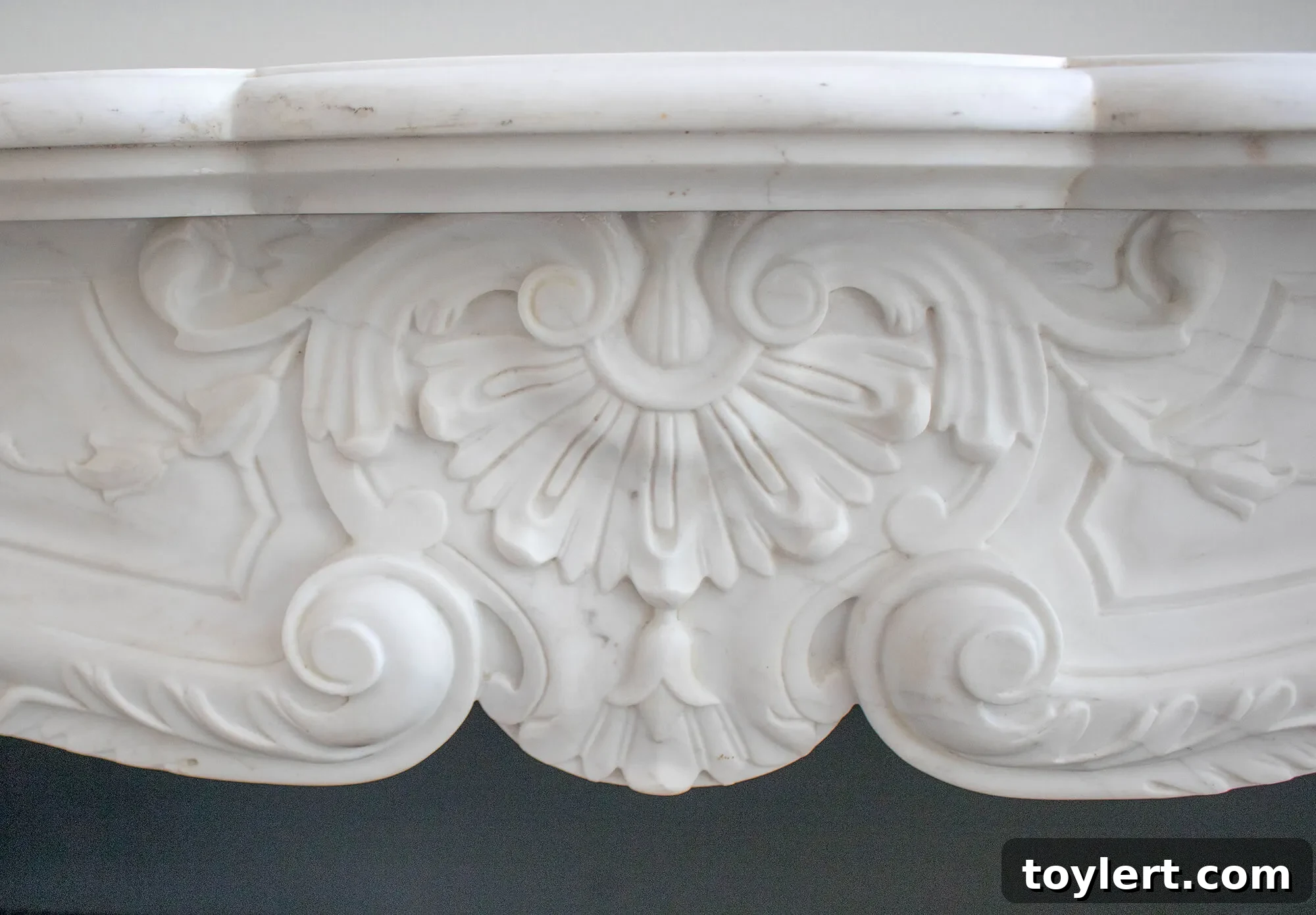
The Definitive Guide to Cleaning and Maintaining Your Marble Mantel
Marble mantels stand as a testament to timeless elegance, adding a touch of grandeur and sophistication to any home. Whether gracing a historic brownstone or a contemporary living space, their unique veining and luminous surface capture the eye and become a focal point. If you are fortunate enough to live with such a magnificent architectural feature, you undoubtedly want to preserve its beauty for generations to come. The good news is that maintaining a marble mantel, or even restoring a dingy one, is surprisingly straightforward, relying on simple, time-tested methods rather than harsh chemicals. The secret? Often, it’s just soap and water.
Why Marble Demands Special Care: Understanding Its Delicate Nature
Before diving into cleaning techniques, it’s crucial to understand why marble requires a particular approach. Marble is a metamorphic rock, primarily composed of calcite, a form of calcium carbonate. While incredibly beautiful and durable in many respects, its chemical composition makes it vulnerable to acidic substances. When acids come into contact with marble, they react with the calcium carbonate, causing a chemical burn known as etching. This etching removes the polished surface, leaving behind dull, rough, or lighter-colored spots that can be difficult to reverse without professional intervention.
Furthermore, marble is a porous stone. This means it has microscopic pores and capillaries that can absorb liquids, making it susceptible to staining. Unlike granite, which is much denser, marble can readily soak up spills like coffee, wine, oil, or even colored liquids, leading to unsightly marks. Understanding these characteristics is the first step towards proper care, emphasizing gentle methods and preventative measures to protect your mantel’s exquisite finish.
The Golden Rule of Marble Cleaning: Simple Soap and Water
When it comes to cleaning marble, the guiding principle should always be “do no harm.” This restoration adage is particularly relevant for natural stone surfaces. Faced with a dirty or dusty marble mantel, it’s natural to reach for the strongest cleaner or a common household staple like vinegar. However, for marble, simplicity is key, and harsh chemicals are the enemy. Your marble mantel’s best friend is a solution of mild, pH-neutral soap and warm water.
A gentle dish soap, formulated for hand washing dishes, is typically pH-neutral and effectively cuts through grime without damaging the stone. This simple solution lifts dirt and dust from the marble surface without introducing any corrosive elements that could lead to etching or discoloration. The goal is to clean gently, rinse thoroughly, and dry completely to reveal the marble’s natural luster without risking its integrity.
What to Absolutely AVOID: The Marble Mantel Don’ts
Just as important as knowing what to use is knowing what to avoid. Many common household cleaners and substances can cause irreversible damage to your beautiful marble mantel. Steer clear of these at all costs:
- Acidic Cleaners: This is the biggest offender. Vinegar, lemon juice, orange cleaner, and many bathroom cleaners contain acids that will etch marble on contact. Even diluted, they can cause dull spots or permanent damage.
- Abrasive Cleaners: Powdery cleansers, scouring pads, and scrub brushes can scratch the delicate surface of polished marble, leading to a dull finish and making it more prone to staining in the future.
- Harsh Chemicals: Ammonia-based cleaners, bleach, glass cleaners, and all-purpose cleaners often contain chemicals that are too strong for marble. They can strip sealants, cause discoloration, or leave behind streaks and residue that dull the surface.
- Unknown Cleaners: If you’re unsure whether a product is safe for marble, err on the side of caution and do not use it. Always check product labels for “safe for natural stone” or “pH-neutral” indications.
Using any of these forbidden items can lead to costly repairs, requiring professional re-polishing or even replacement, which can be far more expensive than simply using the correct, gentle cleaning method.
Step-by-Step Guide to Cleaning Your Marble Mantel
Cleaning your marble mantel is a straightforward process that, when done regularly, will keep it looking pristine. Follow these steps for the best results:
Gather Your Supplies
- A small bucket of warm water
- Mild, pH-neutral dish soap (e.g., Dawn, Palmolive)
- Several soft, clean microfibre cloths or sponges (non-abrasive)
- A dry, soft towel for buffing (e.g., cotton or microfibre)
- A spray bottle (optional, for rinsing)
Dusting and Preparation
Begin by removing any decorative items from your mantel. Then, use a soft, dry microfibre cloth or a feather duster to gently wipe away any loose dust, cobwebs, or debris from the entire surface of the marble. This initial dusting prevents you from grinding abrasive particles into the stone when you introduce moisture, which could lead to tiny scratches. Pay attention to crevices and carved details where dust tends to accumulate.
Gentle Cleaning
In your bucket, mix about a teaspoon of mild dish soap with a gallon of warm water. The solution should be slightly sudsy, not heavily foamy. Dip one of your clean, soft cloths into the soapy water, wring it out thoroughly so it’s damp, not dripping wet. Starting from the top, gently wipe down the marble surface in small sections. Work in a methodical manner, overlapping your strokes slightly to ensure complete coverage. For more intricate carvings or tough-to-reach spots, you can use a soft-bristled toothbrush dipped in the solution.
Avoid scrubbing vigorously, as marble is not meant to withstand abrasive cleaning. The damp cloth with mild soap is usually sufficient to lift dirt and fingerprints. If you encounter a slightly stubborn spot, allow the damp, soapy cloth to sit on it for a minute or two to loosen the grime before gently wiping.
Rinsing Thoroughly
This is a critical step to prevent soap residue from dulling your marble. After cleaning a section, immediately take a fresh, clean cloth, dampen it with plain warm water (no soap), and wipe down the area you just cleaned. The goal is to remove all traces of soap. You might need to rinse your cloth frequently or use multiple rinsing cloths. Alternatively, you can fill a spray bottle with plain warm water and lightly mist the cleaned area, then wipe it dry with a clean cloth. Ensuring no soap film is left behind is vital for a streak-free, gleaming finish.
Drying and Polishing
Once you’ve thoroughly rinsed an area, immediately dry it with a clean, soft, dry towel. Buffing the surface gently as you dry will help prevent water spots and enhance the marble’s natural sheen. Work quickly, as allowing water to air dry on marble can sometimes lead to mineral deposits or water spots, especially in areas with hard water. A final quick buff with a very soft, dry cloth will bring out the mantel’s full luster.
Tackling Stubborn Stains on Marble
Despite best efforts, stains can sometimes occur. Addressing them promptly is key, and using the right method for the right type of stain is crucial. General cleaning with soap and water won’t remove all stains. For tougher marks, a poultice method is often recommended. A poultice is a paste-like substance that is applied to the stain, designed to draw the offending material out of the porous stone.
Organic Stains (Coffee, Tea, Food, Paper, Tobacco)
These stains are typically brownish or pinkish. Mix a small amount of hydrogen peroxide (3% or 6%) with a white absorbent material like baking soda or unbleached flour to create a thick paste. Apply the paste directly over the stain, covering it with plastic wrap and taping the edges to seal it. Let it sit for 12-24 hours. The hydrogen peroxide acts as a gentle bleach, and the absorbent material draws the stain out. After the time has passed, remove the plastic, let the poultice dry, then scrape it off with a plastic scraper and rinse thoroughly. Repeat if necessary.
Oil-Based Stains (Grease, Cosmetics, Cooking Oil)
These stains usually appear dark and will darken the stone. For these, mix baking soda or talc powder with mineral spirits (paint thinner) or acetone to form a thick paste. Apply as with organic stains, cover with plastic wrap, and let it sit for 12-24 hours. The solvent helps break down the oil, and the powder absorbs it. Scrape, rinse, and dry.
Rust Stains (from metal objects)
Rust stains are tricky and appear reddish-brown. They require a specific rust remover designed for natural stone. **Do not use off-the-shelf rust removers designed for metal, as these are typically acidic and will etch the marble.** Seek a non-acidic rust stain remover from a stone care specialist. Always test in an inconspicuous area first.
For any severe or deep-set stains, or if you’re unsure about the type of stain, it’s always safest to consult a professional stone restoration expert. Attempting to remove certain stains with the wrong method can permanently damage your marble.
Preventative Maintenance: Keeping Your Marble Pristine
Beyond cleaning, regular preventative maintenance plays a vital role in preserving the beauty and longevity of your marble mantel. A little foresight can save a lot of effort in the long run.
- Regular Dusting: Make dusting your marble mantel a part of your regular cleaning routine. A quick wipe with a soft, dry cloth or duster every few days will prevent dust and grime from building up and bonding to the surface.
- Immediate Spill Cleanup: Accidents happen, but prompt action is crucial for marble. Blot spills immediately with a soft, clean cloth. Do not wipe or rub, as this can spread the liquid and push it deeper into the pores. Blot gently until the liquid is absorbed. Then, clean the area with a damp cloth and mild soap solution, rinse, and dry.
- Use Protectors: If you place decorative items like vases, candles, or plants on your mantel, always use felt pads, coasters, or protective liners underneath them. This prevents scratches, prevents moisture from seeping into the marble, and provides a barrier against heat from candles.
- Avoid Direct Heat: While a mantel is designed for fireplaces, direct and prolonged exposure to intense heat from certain types of candles or excessively hot objects can potentially affect the marble. Ensure candles are placed on stable, heat-resistant bases.
The Role of Sealing Your Marble Mantel
Given marble’s porous nature, sealing is an essential preventative measure, particularly for mantels that see a lot of use or are in high-traffic areas. A sealant acts as a protective barrier, filling the microscopic pores in the marble and making it less absorbent. This doesn’t make the marble stain-proof, but it significantly slows down the absorption of liquids, giving you more time to clean up spills before they penetrate and cause a permanent stain.
Most marble mantels in homes benefit from periodic sealing. The frequency depends on the type of marble, the quality of the sealant used, and how much exposure it gets. Typically, a good quality penetrating sealer might last anywhere from 1 to 5 years, but it’s important to test your marble regularly.
How to Test if Your Marble Needs Sealing
A simple water droplet test can tell you if your marble needs resealing. Place a few drops of water on an inconspicuous area of the marble surface. If the water beads up and sits on the surface for several minutes, your sealant is likely still effective. If the water quickly soaks into the stone, darkening the area, then it’s time to reseal your marble.
Sealing Process (Brief Overview)
Applying a sealant is generally straightforward. After ensuring the marble is thoroughly clean and dry, apply a high-quality penetrating stone sealer (available at home improvement stores or stone suppliers) according to the manufacturer’s instructions. Usually, this involves applying the sealer with a clean cloth, letting it dwell for a specified time, and then wiping off any excess before it dries on the surface. Always ensure proper ventilation when using sealers.
When to Call the Professionals
While DIY cleaning and maintenance are effective for routine care, there are situations where professional help is invaluable. You should consider calling a stone restoration specialist if:
- Your marble mantel has extensive etching that cannot be buffed out with gentle cleaning.
- There are deep-set stains that you cannot remove with poultices.
- The marble has significant chips, cracks, or structural damage.
- The overall surface appears dull and lifeless, requiring professional honing or polishing to restore its original sheen.
- You are dealing with an antique mantel that requires delicate historical restoration.
Professionals have specialized tools, knowledge, and products to safely restore marble to its former glory, often achieving results that are impossible with household methods.
The Timeless Elegance of Marble Mantels: A Brief History
The allure of marble mantels dates back centuries, tracing its origins to ancient Greek and Roman architecture where marble was revered for its beauty and durability. During the Renaissance, skilled artisans transformed marble into intricate sculptures and architectural elements, and by the 17th and 18th centuries, marble fireplaces became a symbol of status and wealth in European palaces and grand homes. From the ornate carvings of French Rococo designs to the more understated elegance of Neoclassical styles, marble mantels have evolved while retaining their iconic presence.
In American architecture, particularly during the 19th and early 20th centuries, marble mantels were a common feature in brownstones, Victorian houses, and federal-style homes, often imported from Europe or crafted by local artisans. These mantels, often surviving multiple renovations, carry a rich history within their veins. Understanding this legacy only adds to the appreciation of these magnificent pieces and reinforces the importance of preserving them with proper care and attention.
In conclusion, your marble mantel is more than just a fireplace surround; it’s a piece of art, a slice of history, and a cornerstone of your home’s aesthetic. Its maintenance doesn’t have to be daunting or complex. By embracing the simple power of mild soap and water, avoiding harmful chemicals, and committing to a routine of gentle care and preventative measures, you can ensure your marble mantel continues to radiate its natural beauty and elegance for many years to come.