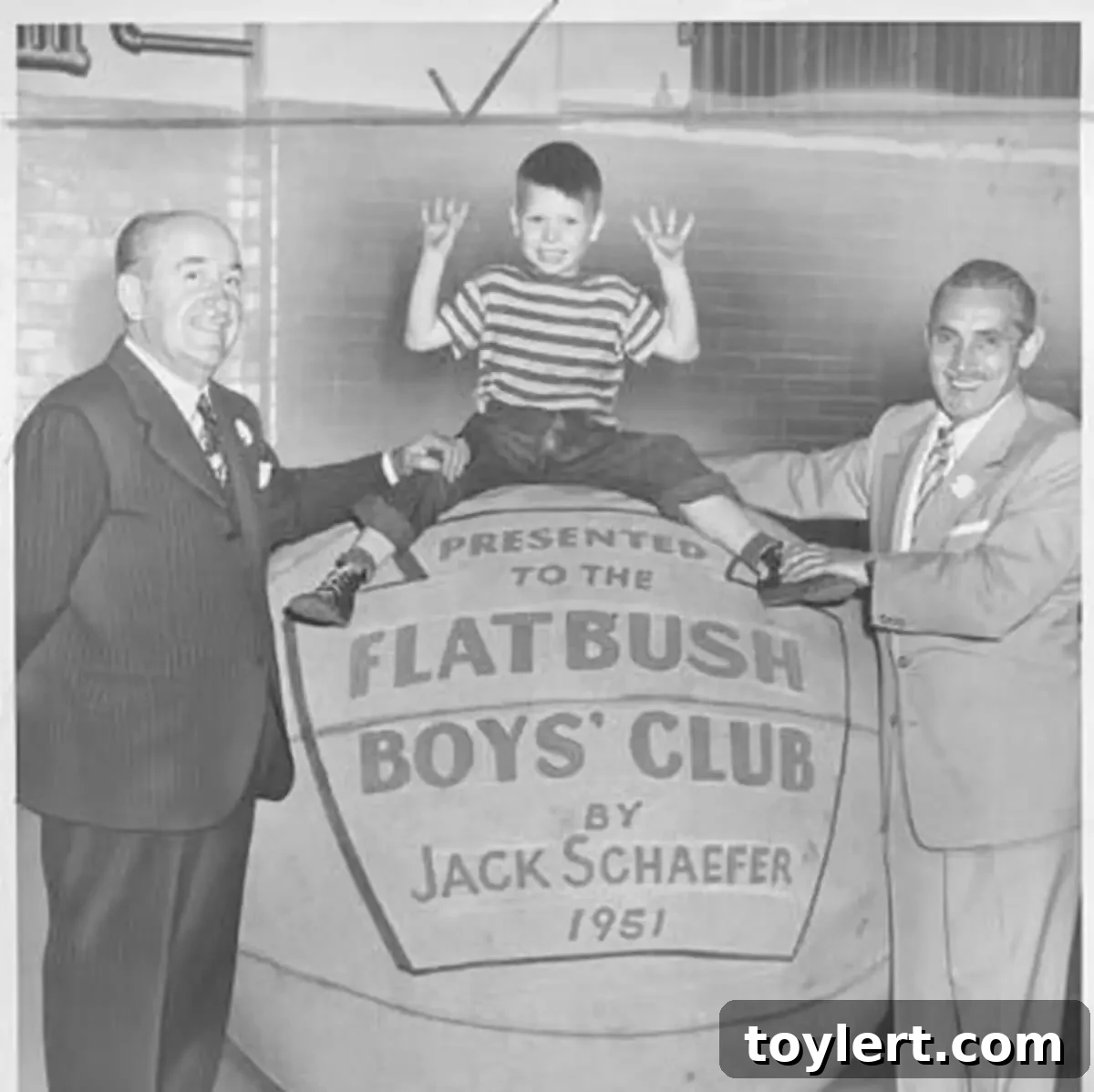
Flatbush Boys Club: A Century of Empowering Brooklyn Youth
In the heart of Flatbush, Brooklyn, an institution has quietly but profoundly shaped the lives of countless young individuals for over a century. The Flatbush Boys Club, originally located at 2245 Bedford Avenue, emerged as a vital haven for Brooklyn youngsters, offering essential development programs, engaging them in sports and recreation, and providing a safe, nurturing environment designed to keep them off the bustling streets. This deep dive uncovers the fascinating journey of a club that has consistently adapted to the changing needs of its community, leaving an indelible mark on generations of Brooklynites.
A Legacy Forged in Flatbush: The Early Years of the Boys Club
The early 20th century presented a unique set of challenges and opportunities for urban youth. Rapid urbanization, coupled with the need for structured activities, led to the formation of clubs like the Flatbush Boys Club. Established with a clear vision, its founders understood the critical importance of providing young Brooklynites with more than just a place to play. They envisioned an environment where character could be built, skills could be honed, and futures could be inspired. The club’s strategic location on Bedford Avenue in Flatbush made it easily accessible, quickly becoming a central pillar of the neighborhood’s social fabric.
From its inception, the Flatbush Boys Club committed itself to a holistic approach to youth development. Programs were meticulously designed not only to entertain but also to educate and uplift. Children participated in a wide array of activities, from organized sports that taught teamwork and discipline to creative arts and crafts that fostered imagination and self-expression. Educational support was also paramount, with tutors and mentors on hand to assist with homework and encourage academic excellence. These early initiatives laid the groundwork for a legacy of empowerment, ensuring that every child who walked through its doors felt valued and equipped with the tools to succeed.
The club served as a crucial counterbalance to the potential pitfalls of urban life, offering a positive alternative to street life. It cultivated a sense of belonging and camaraderie among its members, instilling values of respect, responsibility, and community engagement. For many families in Flatbush, the Boys Club was an indispensable resource, a trusted partner in raising resilient, well-rounded young citizens.
Nurturing Growth: Life Inside the Flatbush Boys Club
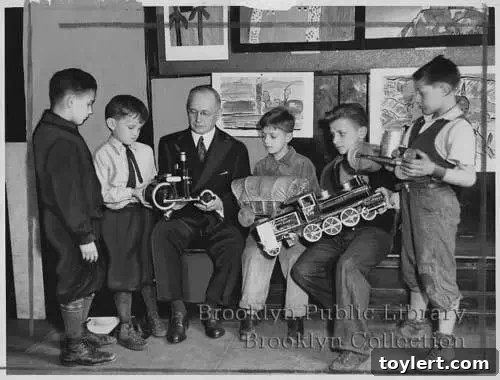
The photograph from 1936 vividly illustrates the innovative spirit and vibrant atmosphere that defined the Flatbush Boys Club. Club President Ralph Annis’s presence alongside members, who proudly display their handcrafted tin-can train, speaks volumes about the value placed on mentorship, creativity, and the joy of accomplishment. This annual exhibition of crafts was just one of many avenues through which the club encouraged self-expression and practical skill development among its young participants.
Daily life at the club was a dynamic blend of structured activities and free play, all supervised by dedicated staff and volunteers. Beyond the popular sports like basketball, baseball, and swimming, the club offered a diverse curriculum designed to appeal to varied interests. There were woodworking shops where boys learned valuable manual skills, debate clubs that sharpened their critical thinking and public speaking abilities, and reading programs that fostered a lifelong love of learning. These programs were not merely pastimes; they were carefully curated experiences aimed at developing well-rounded individuals prepared for the challenges of adulthood.
Mentorship played a pivotal role in the Flatbush Boys Club’s success. Older members often guided younger ones, creating a powerful sense of community and responsibility. The adult staff, comprising both paid employees and passionate volunteers, served as role models, offering guidance, encouragement, and a listening ear. This network of support extended beyond the club’s walls, often providing a safety net for boys facing difficulties at home or in school. The relationships forged within the club were often lifelong, creating bonds that strengthened the entire Flatbush community.
Evolving with Brooklyn: Challenges and Adaptations
As Brooklyn underwent significant demographic and social changes throughout the mid to late 20th century, the Flatbush Boys Club faced its own set of challenges and opportunities for growth. Remaining relevant and effective required constant adaptation. The club continually assessed the needs of the youth it served, adjusting its programs to reflect contemporary issues and interests. This flexibility ensured that it remained a vital resource, capable of addressing evolving community needs, whether it was providing support during economic downturns or addressing new educational requirements.
The commitment to keeping youngsters engaged and off the streets remained central to its mission, even as the nature of those “streets” changed. New sports gained popularity, technological advancements introduced new forms of recreation, and educational demands shifted. The club responded by integrating new activities, updating its facilities, and refining its pedagogical approaches. Its ability to navigate these changes, while staying true to its core values of youth empowerment and community service, is a testament to the foresight of its leadership and the dedication of its supporters.
Funding and community support were, and continue to be, crucial for the club’s longevity. Through various fundraising initiatives, volunteer efforts, and partnerships with local businesses and philanthropists, the Flatbush Boys Club managed to sustain its operations and even expand its reach. This unwavering support from the Flatbush community underscored the deep value placed on institutions that actively contribute to the positive development of its youngest residents.
The Modern Era: Thomas S. Murphy Clubhouse
The Flatbush Boys Club continues its powerful mission today, albeit under a new name and as part of a larger, impactful network. In its current Flatbush incarnation, the historic institution is known as the Thomas S. Murphy Clubhouse. This renaming signifies both a tribute to a significant benefactor or leader and a broader strategic alignment designed to enhance its capacity and reach.
The Thomas S. Murphy Clubhouse is now proudly run by the esteemed Madison Square Boys and Girls Club of America. This affiliation brings numerous benefits, including access to broader resources, enhanced programmatic frameworks, and a national network of support and expertise. The Madison Square Boys and Girls Club is renowned for its comprehensive approach to youth development, focusing on academic success, healthy lifestyles, and good character and citizenship. This partnership has allowed the Flatbush location to strengthen its offerings, ensuring that it remains a leading force in youth empowerment in Brooklyn.
While the name has evolved, the core values and foundational mission remain steadfast. The Thomas S. Murphy Clubhouse continues to be a safe haven, a center for learning, and a launchpad for future success for children and teens in Flatbush. It stands as a beacon of hope and opportunity, deeply rooted in the community it serves, much as it did over a century ago.
Programs for Today’s Youth: A Holistic Approach to Development
Today, the Thomas S. Murphy Clubhouse offers a vibrant and comprehensive suite of programs tailored to meet the diverse needs of contemporary youth, ranging from elementary school children to teenagers. These programs are designed to inspire curiosity, foster personal growth, and prepare members for successful futures in an ever-changing world. The clubhouse prides itself on providing a safe, positive, and engaging environment where every child can discover their potential.
The current programmatic offerings span several key areas:
- Academic Success: Beyond homework help, programs focus on literacy, STEM (Science, Technology, Engineering, and Math) education, and college and career readiness. These initiatives provide crucial support, helping members achieve academic excellence and envision future educational and professional pathways.
- Healthy Lifestyles: Emphasizing physical well-being and smart choices, this category includes a wide range of sports, fitness activities, nutrition education, and mental health awareness programs. From organized leagues to individual wellness challenges, the clubhouse encourages active living and informed decisions.
- Character and Leadership Development: Fostering civic engagement, ethical decision-making, and strong leadership qualities is a cornerstone of the clubhouse’s mission. Programs like Keystone Club and Torch Club empower teens to lead, serve their communities, and develop essential life skills.
- The Arts: Creativity and self-expression are celebrated through various artistic disciplines. Offerings include visual arts, performing arts, digital media, and music programs, allowing members to explore their talents and build confidence in creative endeavors.
- Personal Enrichment: Workshops and activities focusing on financial literacy, conflict resolution, digital citizenship, and environmental awareness equip members with practical skills and knowledge vital for navigating the modern world responsibly.
These diverse programs are delivered by dedicated staff who are passionate about youth development. They combine structured learning with informal mentorship, ensuring that each member receives personalized attention and encouragement. The clubhouse is not just a place for activities; it’s a community where young people build strong relationships, develop positive self-identities, and gain the confidence to pursue their dreams.
An Enduring Beacon of Hope for Brooklyn’s Youth
From its humble beginnings as the Flatbush Boys Club to its modern iteration as the Thomas S. Murphy Clubhouse, this Brooklyn institution has consistently demonstrated an unwavering commitment to the youth of Flatbush. Its journey reflects the evolving needs of a vibrant community and the enduring power of dedicated mentorship and structured opportunities. For generations, it has served as a safe haven, a center of learning, and a launchpad for countless individuals, shaping character, fostering talent, and building essential life skills.
The legacy of the Flatbush Boys Club is not merely a collection of old photographs or historical records; it is alive in the successes of its alumni, the vibrant energy of its current members, and the continuous impact it makes on the Flatbush community. As the Thomas S. Murphy Clubhouse proudly carries forward this tradition under the umbrella of the Madison Square Boys and Girls Club of America, it reaffirms its role as an indispensable resource, continuing to empower young Brooklynites to achieve their full potential and contribute positively to society. It stands as a testament to the belief that investing in youth is investing in the future.