Exploring Brooklyn Heights: A Journey Through Architectural Masterpieces and Urban Heritage
Nestled across the East River from Lower Manhattan, Brooklyn Heights stands as a timeless testament to architectural grandeur and historical significance. As New York City’s very first designated historic district, this venerable neighborhood offers an unparalleled journey into the past, characterized by its tree-lined streets, majestic brownstones, and an eclectic mix of architectural styles that tell the story of a bygone era. For enthusiasts of urban history, architecture, and cultural preservation, a walking tour through Brooklyn Heights is not merely a stroll but an immersive educational experience, providing profound insights into the city’s development.
The Municipal Art Society of New York (MAS), a venerable institution dedicated to advocating for intelligent urban planning, design, and preservation, frequently curates such enlightening excursions. These tours are meticulously designed to highlight the intricate details and sweeping narratives that define Brooklyn Heights, often focusing on specific segments of the neighborhood to provide a deep dive into its unique character. One such memorable tour delves specifically into the blocks south of Montague Street, an area renowned for its concentration of historically significant structures and an architectural narrative that continues to inspire.
Unveiling Architectural Gems South of Montague Street
Imagine stepping back in time, guided by an expert architectural historian like Matt Postal, whose profound knowledge illuminates every facade and corner. Such tours meticulously uncover the layers of history embedded in the very fabric of Brooklyn Heights. The area south of Montague Street is particularly rich, offering a captivating panorama of distinctive architectural styles, primarily the elegant Greek Revival and the intricate Gothic Revival row houses. These residential masterpieces stand shoulder to shoulder, showcasing the prevailing tastes and craftsmanship of the 19th century, each telling a unique story of its original inhabitants and the broader societal trends that shaped their construction.
The Elegance of Greek Revival Architecture
The Greek Revival style, popular in America from the 1820s to the 60s, embodied the ideals of democracy, order, and classical beauty, drawing inspiration from the temples of ancient Greece. In Brooklyn Heights, this influence is evident in the grand proportions, stately symmetry, and often columned entrances of its row houses. Characterized by their dignified and imposing presence, these buildings typically feature low-pitched gable roofs, heavy cornices, and decorative elements like ornate doorways and intricate ironwork railings. The use of brownstone, a reddish-brown sandstone, became synonymous with these elegant homes, lending Brooklyn Heights its distinctive and cherished aesthetic. Walking past these structures, one can almost hear the echoes of a bustling 19th-century urban life, with each facade reflecting a commitment to permanence and classical taste.
The Romanticism of Gothic Revival
In contrast to the classical restraint of Greek Revival, the Gothic Revival style, which gained prominence slightly later in the mid-19th century, introduced a sense of romance, drama, and verticality. Drawing inspiration from medieval European cathedrals, Gothic Revival homes in Brooklyn Heights often feature pointed arches, steep gables, elaborate tracery, and decorative details like finials and quatrefoils. While perhaps less numerous than their Greek Revival counterparts, these structures provide a fascinating counterpoint, showcasing a different architectural philosophy that embraced asymmetry, texture, and a more spiritual, often picturesque, quality. The blend of these two dominant styles within such close proximity creates a dynamic visual dialogue, highlighting the evolving architectural preferences of a rapidly growing urban elite.
Historic Churches: Pillars of the Community
Beyond the residential blocks, Brooklyn Heights is also home to a remarkable collection of historic churches, each a marvel of design and a testament to the community’s spiritual and social history. These ecclesiastical structures represent various architectural periods and denominations, from the austere elegance of Romanesque Revival to the soaring spires of true Gothic Revival. They served as vital community hubs, their grand facades and intricate interiors reflecting the aspirations and values of their congregations. A tour of the area allows for an appreciation not only of their architectural beauty but also their enduring role in shaping the neighborhood’s identity and providing continuity across generations.
A. T. White’s Riverside: A Pioneering Vision for Affordable Housing
One of the most compelling stops on any comprehensive tour of Brooklyn Heights is a visit to A. T. White’s Riverside. This site represents an extraordinarily influential and pioneering attempt to address the critical issue of affordable housing during a period of rapid urbanization and industrial growth in New York City. Alfred Tredway White, a prominent Brooklyn philanthropist and businessman of the late 19th century, was deeply troubled by the squalid living conditions prevalent in tenement housing. He believed that even low-income families deserved dignified, healthy, and safe living environments.
In the 1870s, White embarked on an ambitious project that would become Riverside. Rather than merely building cheap, stacked apartments, he meticulously designed a model of housing that prioritized light, air, and proper sanitation—luxuries unheard of for working-class families at the time. His designs incorporated open courtyards, ample windows for cross-ventilation, and shared garden spaces, creating a sense of community and well-being. Riverside was not just an architectural experiment; it was a social one, demonstrating that affordable housing could be both economically viable and immensely beneficial for its residents. Its innovative approach fundamentally challenged the prevailing norms of urban development and set a new standard for responsible and empathetic urban planning. The legacy of Riverside continues to resonate, influencing subsequent movements in public and affordable housing design and standing as a powerful reminder of one man’s vision to improve the lives of the less fortunate through thoughtful architecture and urban design.
The Enduring Charm of Sidney Place and Beyond
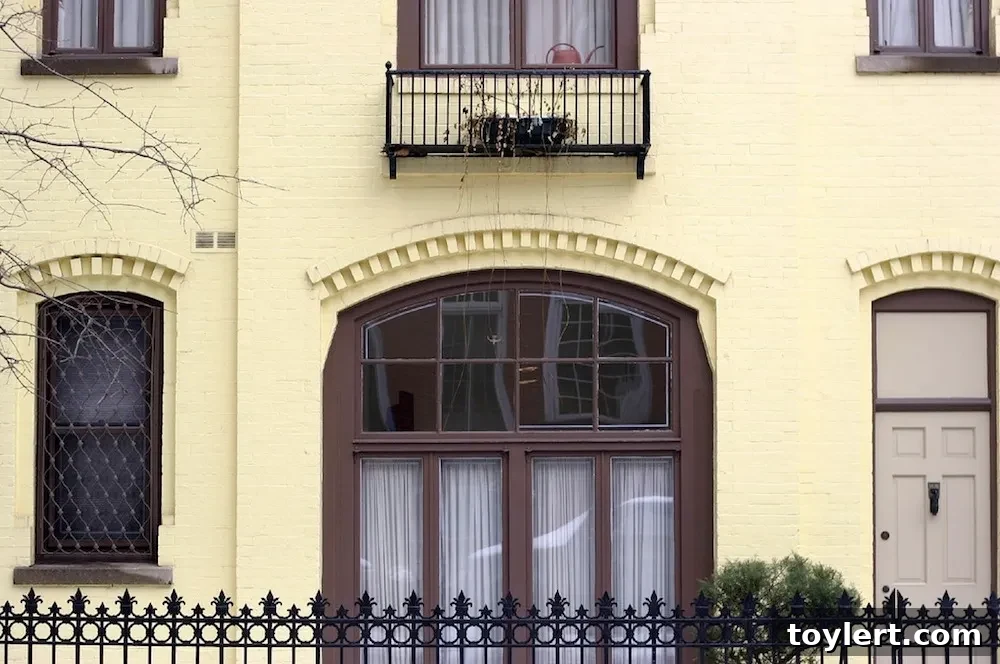
The image above beautifully captures a carriage house on Sidney Place, a street that encapsulates the quintessential charm of Brooklyn Heights. These historic structures, once integral to horse-drawn transportation, now often stand as meticulously preserved homes, their unique facades and histories adding another layer to the neighborhood’s rich tapestry. Sidney Place, like many streets in the district, is characterized by its stunning array of architectural styles, from grand mansions to more modest, yet equally beautiful, row houses, all contributing to the area’s undeniable curb appeal.
Walking tours, especially those led by organizations like the Municipal Art Society, offer an unparalleled opportunity to truly connect with the history and architectural integrity of places like Brooklyn Heights. They provide context, highlight hidden details, and bring to life the stories behind the bricks and mortar. Such experiences are invaluable for anyone seeking to understand the evolution of urban landscapes and the enduring power of thoughtful preservation.
Join the Journey: Discovering Brooklyn Heights’ Legacy
Whether you’re a lifelong New Yorker or a visitor eager to delve into the city’s multifaceted past, exploring Brooklyn Heights is an essential experience. The insights gained from a professionally guided tour—covering everything from the intricate details of Greek and Gothic Revival architecture to the profound social impact of pioneering projects like A. T. White’s Riverside—are truly enriching. These tours not only showcase architectural marvels but also underscore the importance of preserving these historical treasures for future generations.
The Municipal Art Society remains at the forefront of these efforts, continually offering opportunities to engage with New York City’s urban fabric. Details for upcoming tours, membership benefits, and ticketing information can typically be found on their official website, providing an accessible pathway for anyone wishing to embark on their own journey through Brooklyn Heights. Investing in such experiences is investing in a deeper appreciation for the city’s heritage.
Don’t miss the chance to wander through the storied streets, marvel at the architectural diversity, and uncover the historical narratives that make Brooklyn Heights a truly unique and captivating destination. From the panoramic views of the Manhattan skyline from the Brooklyn Heights Promenade to the intricate details of a carriage house on Sidney Place, every corner offers a new discovery, waiting to be explored.
To learn more about similar educational opportunities and support the preservation efforts of the Municipal Art Society, visit their official website and explore their extensive program offerings. For a general overview of their initiatives and how to participate in future events, you can often find information here.