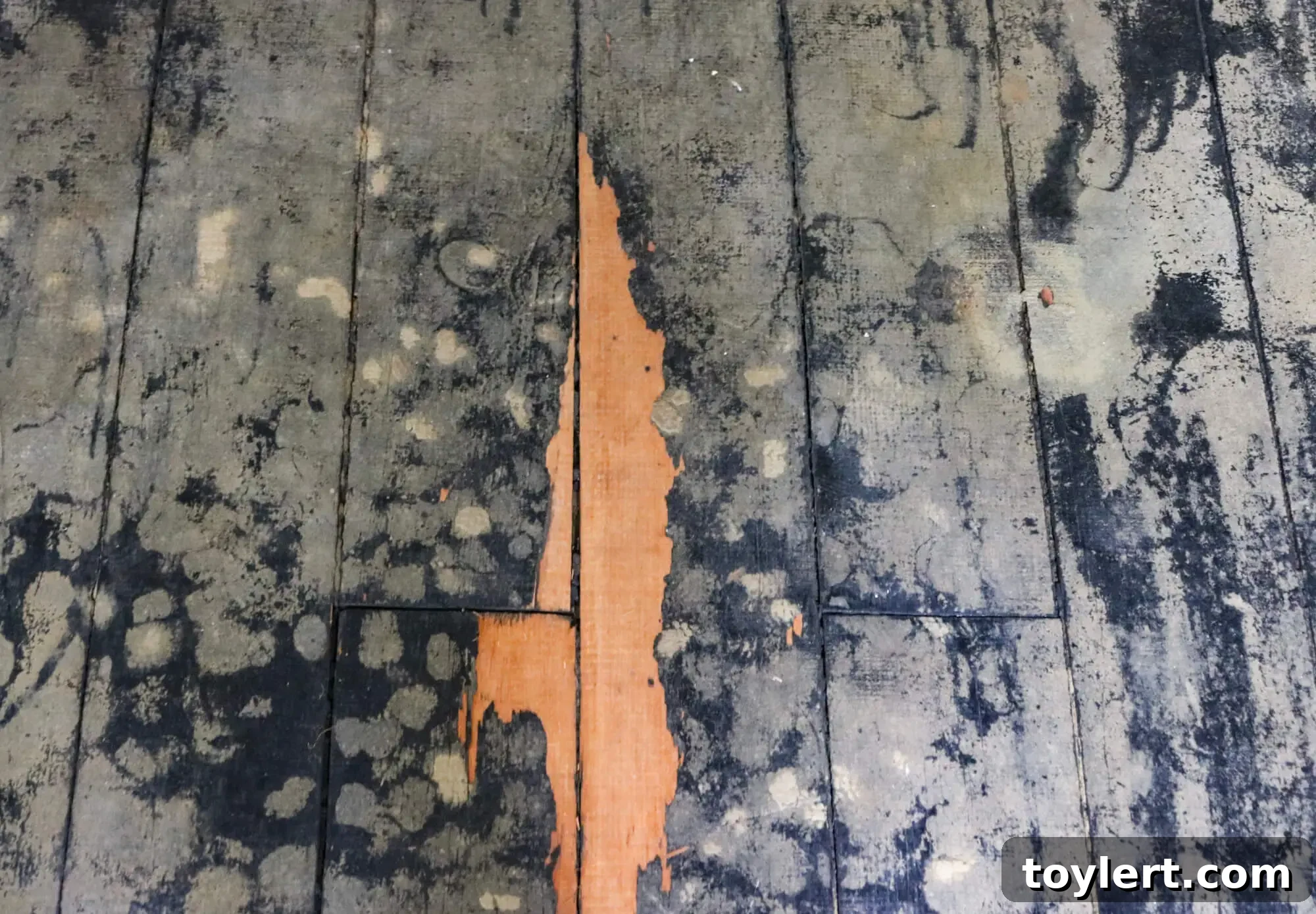
Eco-Friendly Wide Plank Flooring for Brownstone Rehabs: A Comprehensive Guide to Avoiding Warping
For homeowners undertaking the nuanced journey of a brownstone rehabilitation, every design decision carries significant weight. Among these, flooring stands as a cornerstone, impacting both the aesthetic integrity and long-term durability of the space. The allure of eco-friendly wide plank flooring is undeniable, promising a blend of timeless charm, contemporary sustainability, and an expansive feel that perfectly complements the grandeur of a brownstone. However, the prospect of investing in such a significant feature often comes with a looming concern: warping. This comprehensive guide will delve into what homeowners should meticulously consider, from selecting the right product to ensuring a flawless installation, to confidently embrace sustainable wide plank flooring without the worry of future imperfections.
Why Choose Eco-Friendly Wide Plank Flooring for Your Brownstone?
Beyond its aesthetic appeal, eco-friendly wide plank flooring offers a multitude of benefits particularly suited for brownstone renovations. Understanding these advantages can solidify your decision and guide your choices.
Aesthetic Appeal and Timeless Elegance
Wide plank flooring naturally evokes a sense of grandeur and historical authenticity, perfectly aligning with the architectural character of a brownstone. The fewer seams create a more expansive, uninterrupted flow, making rooms appear larger and more cohesive. The natural grain and character of the wood are accentuated by wider boards, offering a sophisticated and tranquil foundation that beautifully complements both classic and modern interiors. When sustainably sourced, this beauty comes with a clear conscience.
Sustainability and Environmental Impact
The “eco-friendly” aspect is paramount for many homeowners. This typically means flooring sourced from sustainably managed forests, often certified by organizations like the Forest Stewardship Council (FSC). It also extends to manufacturing processes that minimize waste, use non-toxic adhesives and finishes (low-VOC), and reduce carbon footprints. Opting for eco-friendly materials not only benefits the planet but also contributes to healthier indoor air quality for your home, a critical consideration in any living space.
Durability and Longevity
High-quality wide plank flooring, especially when properly installed and maintained, can last for generations. Many species of hardwood are incredibly durable, resisting daily wear and tear. Their ability to be refinished multiple times means they can adapt to changing tastes and continue to look new for decades, providing an exceptional return on investment over the lifecycle of your brownstone.
Value Addition for Brownstones
Investing in premium, sustainable materials like eco-friendly wide plank flooring significantly enhances the market value of your brownstone. Buyers increasingly appreciate homes with high-quality, environmentally conscious features. It signals attention to detail, a commitment to quality, and a thoughtful approach to homeownership, making your property more attractive in a competitive market.
Understanding the Warping Concern: Causes and Prevention
Warping is perhaps the most common and distressing concern associated with wood flooring, especially wide planks. However, it is largely preventable with proper preparation, material selection, and installation techniques. Warping occurs when wood absorbs or releases moisture unevenly, causing the boards to cup, crown, or twist. Brownstones, with their historical construction and sometimes fluctuating indoor environments, require extra vigilance.
Common Causes of Warping
- Moisture Imbalance: This is the primary culprit. High humidity, direct water exposure (leaks, spills), or excessive moisture coming up from a subfloor can cause wood to swell. Conversely, excessively dry conditions can cause it to shrink.
- Improper Acclimation: Wood flooring needs to adapt to the ambient temperature and humidity of its new environment before installation. Failing to acclimate boards can lead to significant movement after installation.
- Inconsistent HVAC: Areas with poor heating, ventilation, and air conditioning can create microclimates that promote moisture imbalances within the flooring.
- Poor Subfloor Preparation: An uneven, unclean, or unsealed subfloor can contribute to moisture issues and improper support, leading to movement and warping.
- Incorrect Installation Methods: Using the wrong fasteners, insufficient adhesive, or improper expansion gaps can all exacerbate the effects of moisture changes.
Acclimation: A Critical Step
No step is more crucial in preventing warping than proper acclimation. Once your eco-friendly wide plank flooring arrives, it must be laid out in the rooms where it will be installed for a specific period, typically 7-14 days, though this can vary by product and climate. During this time, the wood equilibrates its moisture content with the ambient temperature and humidity of your brownstone. The contractor should stack the planks in small, evenly spaced piles to allow air circulation. Monitoring humidity levels with a hygrometer during this period is highly recommended.
Moisture Control and Humidity Management
Maintaining a stable indoor environment is key to a long-lasting, warp-free floor. This involves:
- Subfloor Moisture Testing: Before installation, the subfloor (especially if concrete or in a basement/ground floor brownstone) must be tested for moisture content using specialized meters. Any excess moisture must be addressed through sealing or remediation before flooring is laid.
- Vapor Barriers: A vapor barrier or retarder should be installed between the subfloor and the wood flooring to prevent moisture migration from below.
- Climate Control: Throughout the year, aim to keep your brownstone’s indoor humidity levels between 35-55%. This might require using humidifiers in dry winter months and dehumidifiers in humid summer months, particularly in older homes that may not have modern insulation or HVAC systems.
- Prompt Spill Cleanup: Address any water spills immediately to prevent moisture absorption by the wood.
Product Selection: What to Look for in Eco-Friendly Wide Plank Flooring
The market offers a diverse range of eco-friendly wide plank options. Making an informed choice involves scrutinizing several key factors that influence both sustainability and resistance to warping.
Wood Species and Sourcing
Certain wood species naturally exhibit greater stability and resistance to moisture changes. Oak (both red and white) and Ash are popular choices known for their durability and moderate stability. For wide planks, quarter-sawn or rift-sawn lumber is often preferred over plain-sawn, as these cutting methods yield more dimensionally stable boards less prone to cupping. Always verify the source: look for companies committed to sustainable forestry, preferably with third-party certifications.
Solid Wood vs. Engineered Wood Wide Planks
This is a crucial decision, especially when considering wide planks and moisture concerns:
- Solid Wide Plank Flooring: Offers unparalleled authenticity and can be refinished many times. However, solid wood, particularly in wider dimensions, is more susceptible to movement (swelling and shrinking) in response to humidity fluctuations. It requires meticulous acclimation and strict adherence to environmental controls.
- Engineered Wide Plank Flooring: Consists of multiple layers of wood glued together, with a top veneer of hardwood. The cross-grain construction of the core layers makes engineered wood significantly more stable and resistant to warping, gapping, and cupping than solid wood, especially in wider formats. It’s often a superior choice for brownstones with fluctuating humidity or over concrete subfloors. Ensure the engineered product uses low-VOC adhesives and a thick enough wear layer for future refinishing.
Finishes and VOCs
An eco-friendly floor should also have an eco-friendly finish. Look for finishes that are low in Volatile Organic Compounds (VOCs) to ensure good indoor air quality. Water-based polyurethanes, natural oils, or hardwax oils are excellent choices that are durable, maintainable, and kinder to the environment and your health. Some finishes also offer enhanced moisture resistance.
Certifications to Look For
These certifications provide assurance of environmental responsibility and product quality:
- FSC (Forest Stewardship Council): Guarantees that the wood comes from responsibly managed forests.
- SFI (Sustainable Forestry Initiative): Another reputable certification for sustainable forestry practices.
- GREENGUARD Gold: Certifies products with low chemical emissions, contributing to healthier indoor air.
- Lacey Act Compliance: Ensures that all wood products are legally sourced, combating illegal logging.
Plank Dimensions and Stability
While wide planks are desirable, excessively wide planks (e.g., over 8-10 inches) in solid wood can be more prone to movement. Engineered wood allows for greater width with less risk. Discuss the ideal width and length with your contractor, considering the specific dimensions of your rooms and the stability characteristics of the chosen product.
Professional Installation: Ensuring a Flawless and Stable Floor
Even the most perfectly chosen eco-friendly wide plank flooring can fail without expert installation. This is where your contractor’s experience, especially with brownstones and wide planks, becomes invaluable.
Choosing the Right Contractor
Do not compromise on your installer. Look for a contractor with:
- Specific Experience: They should have a proven track record of installing wide plank flooring, particularly in historic brownstone settings. Ask for references and see examples of their work.
- Knowledge of Moisture Management: A good contractor will insist on moisture testing the subfloor, recommending vapor barriers, and ensuring proper acclimation.
- Certification and Licensing: Ensure they are licensed, insured, and ideally have certifications from flooring associations.
- Detailed Proposal: A clear, itemized quote that includes material delivery, acclimation time, subfloor prep, installation method, and finishing.
Subfloor Preparation
This cannot be overstated. The subfloor must be:
- Clean and Dry: Free of debris, old adhesives, and, most importantly, excess moisture.
- Flat and Level: Any unevenness will transfer to the finished floor, creating movement and potential for gapping or squeaking. This often requires sanding, patching, or self-leveling compounds.
- Structurally Sound: The subfloor must be stable and adequately fastened to support the weight of the new flooring and prevent movement. In older brownstones, this might involve reinforcing joists or re-securing existing subfloor panels.
Proper Installation Techniques
The method of installation must be appropriate for the type of flooring (solid vs. engineered), the subfloor, and the climate.
- Nailing/Stapling: Often used for solid wood over a wood subfloor. Proper fastener spacing and penetration are critical.
- Gluing: Common for engineered wood over concrete or wood subfloors. The adhesive acts as a moisture barrier and provides stability. Use high-quality, flexible, moisture-cured urethane adhesives with low VOCs.
- Floating: Primarily for engineered wood, where planks are glued together at the tongue and groove, but not to the subfloor. A pad is laid underneath. This allows the floor to expand and contract as a whole unit, which can be beneficial in certain environments, but typically less preferred for wide planks in brownstones due to perceived stability.
- Expansion Gaps: A crucial element. A gap must be left around the perimeter of the room and against any vertical obstructions (walls, cabinets) to allow the wood to expand and contract naturally without buckling. This gap is then covered by baseboards or shoe molding.
Post-Installation Care and Maintenance
Your responsibility doesn’t end with installation. Ongoing care is vital:
- Maintain Consistent Humidity: Continue to monitor and control indoor humidity levels within the recommended range.
- Use Proper Cleaning Products: Only use cleaning products specifically designed for wood floors. Avoid excessive water.
- Protect from Damage: Use furniture pads, area rugs in high-traffic areas, and avoid dragging heavy objects.
- Regular Inspections: Periodically check for any signs of movement, gapping, or cupping and address them promptly.
Conclusion: A Sustainable Investment in Your Brownstone’s Future
The decision to install eco-friendly wide plank flooring in your brownstone rehab is an investment in both timeless beauty and sustainable living. While concerns about warping are valid, they are almost entirely mitigated through careful product selection, rigorous subfloor preparation, meticulous acclimation, and, most critically, expert professional installation. By prioritizing certifications, understanding the nuances between solid and engineered wood, and entrusting your project to a seasoned contractor who understands the unique demands of historic brownstones, you can confidently create a stunning, durable, and environmentally responsible foundation for your cherished home that will stand strong for generations to come. Your commitment to quality and sustainability will shine through every beautiful, wide plank, making your brownstone truly exceptional.