Preserving History and Affordability: A Closer Look at 143 Columbia Street, Columbia Street Waterfront
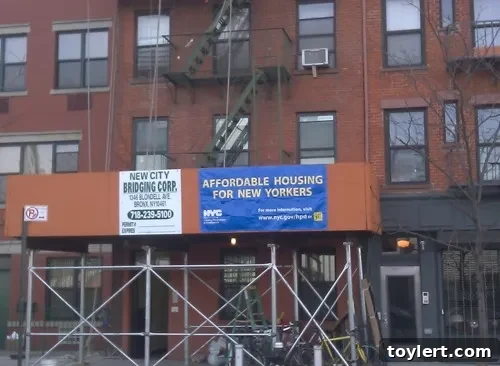
The distinctive Columbia Street Waterfront district in Brooklyn, known for its unique blend of historic charm and modern vibrancy, has recently drawn attention to a significant structure at 143 Columbia Street. Observers passing through this picturesque neighborhood may have noticed scaffolding adorning the building and, prominently displayed, a banner from the New York City Department of Housing Preservation and Development (HPD) signaling affordable housing initiatives. This immediate visual cue naturally led many to speculate about a new affordable housing conversion project underway. However, a deeper dive into the building’s history reveals a more nuanced and equally vital story of ongoing preservation and commitment to community housing.
Unveiling the Past: 143 Columbia Street’s Affordable Housing Legacy
Far from being a new conversion, the building at 143 Columbia Street has served as an essential component of the city’s affordable housing landscape for decades. Records indicate that this eight-unit building underwent its transformation into affordable housing in the early 1990s. This crucial initiative was spearheaded by the Carroll Gardens Association Inc., a community-based organization dedicated to fostering sustainable development and providing vital resources to residents in the South Brooklyn area. Their foresight in the early 90s helped secure affordable living options in a neighborhood that has since experienced significant growth and escalating property values, making these units even more invaluable today.
The transition of 143 Columbia Street into affordable housing during that era reflected a broader trend in New York City, where community groups and government agencies collaborated to address a pressing need for accessible housing. As Brooklyn began its gradual transformation from an industrial borough to one of the most sought-after residential areas, preserving affordability became a critical mission. The efforts of organizations like the Carroll Gardens Association Inc. ensured that the benefits of urban renewal were shared more equitably, preventing the displacement of long-term residents and maintaining the diverse character of neighborhoods like the Columbia Street Waterfront.
The Current Endeavor: Repointing the Foundation of History
So, if the building is not undergoing a new conversion, what exactly is the purpose of the current scaffolding and the associated work? A closer inspection of permits filed with the city’s Department of Buildings (DOB) clarifies the nature of the project. The ongoing work at 143 Columbia Street is primarily focused on repointing the brick facade and the installation of a sidewalk shed. This essential maintenance is vital for the long-term integrity and aesthetic appeal of the historic structure.
Understanding Brick Repointing: More Than Just Cosmetics
Repointing, for those unfamiliar with architectural preservation techniques, is a meticulous process of renewing the mortar joints in a masonry wall. Over time, exposure to the elements – rain, wind, freezing, and thawing cycles – causes mortar to deteriorate, crack, and crumble. When this happens, the structural stability of the brickwork can be compromised, leading to water penetration, dampness, and potential damage to the building’s interior. Furthermore, deteriorated mortar can detract significantly from the building’s visual appeal, giving it a rundown or neglected appearance.
The repointing process involves carefully removing the old, failing mortar from the joints and replacing it with fresh, compatible mortar. This not only restores the structural integrity of the wall, preventing moisture infiltration and enhancing energy efficiency, but also revitalizes the building’s exterior, bringing back its original beauty. For a building constructed of brick, particularly one with historical significance like 143 Columbia Street, regular repointing is not merely a cosmetic upgrade but a fundamental aspect of preventative maintenance and historic preservation. It ensures that the building can withstand the rigors of time and weather for many more decades, safeguarding both its residents and its place in the neighborhood’s visual tapestry.
The Role of the South Brooklyn Renewal Housing Development Fund Corp.
The current owner and steward of 143 Columbia Street is the South Brooklyn Renewal Housing Development Fund Corp. This organization plays a crucial role in maintaining and managing affordable housing units within the community. Housing development fund corporations are typically non-profit entities established to facilitate the creation, preservation, and management of affordable housing. Their mission extends beyond initial conversion, encompassing the long-term responsibility of ensuring these properties remain habitable, safe, and truly affordable for their residents.
The commitment of such organizations is pivotal in a dynamic urban environment like New York City, where market pressures constantly threaten to erode the stock of affordable housing. By investing in essential maintenance like repointing, the South Brooklyn Renewal Housing Development Fund Corp. demonstrates its dedication not only to the physical structure of 143 Columbia Street but also to the continued well-being of its tenants and the stability of the surrounding Columbia Street Waterfront community. This ongoing stewardship ensures that the affordable housing legacy initiated in the early 90s continues to thrive, contributing to a diverse and inclusive urban fabric.
Columbia Street Waterfront: A Tapestry of Urban Development and Preservation
The Columbia Street Waterfront district itself is a testament to Brooklyn’s fascinating evolution. Once an industrial stretch, it has transformed into a highly desirable residential enclave, boasting stunning views of the Manhattan skyline, proximity to Brooklyn Bridge Park, and a vibrant local culture. The presence of buildings like 143 Columbia Street, steadfastly offering affordable housing amidst escalating property values, highlights the delicate balance between urban development and the imperative of community preservation.
Maintenance projects like the repointing at 143 Columbia Street are silent but powerful contributors to this balance. They ensure that the architectural heritage of the area is upheld, while simultaneously guaranteeing that affordable housing units remain viable and comfortable for their occupants. It’s a subtle form of urban resilience, where the repair of brickwork directly translates into the sustained availability of homes for New Yorkers who might otherwise be priced out of such a coveted neighborhood.
Engaging the Community: A Call for Further Insights
While the mystery surrounding the work at 143 Columbia Street has been largely clarified, the story of such buildings is always richer with community input. Historical anecdotes, personal recollections, or additional details about the building’s past or the work of the Carroll Gardens Association Inc. and the South Brooklyn Renewal Housing Development Fund Corp. are invaluable. These insights not only deepen our understanding of individual properties but also illuminate the broader narrative of urban development, housing challenges, and community resilience in New York City.
We invite anyone with more information, stories, or historical context regarding 143 Columbia Street or similar affordable housing initiatives in the Columbia Street Waterfront or wider Brooklyn area to share their knowledge. Such contributions are essential in painting a complete picture of our city’s living history and the ongoing efforts to maintain its character and accessibility for all its residents.