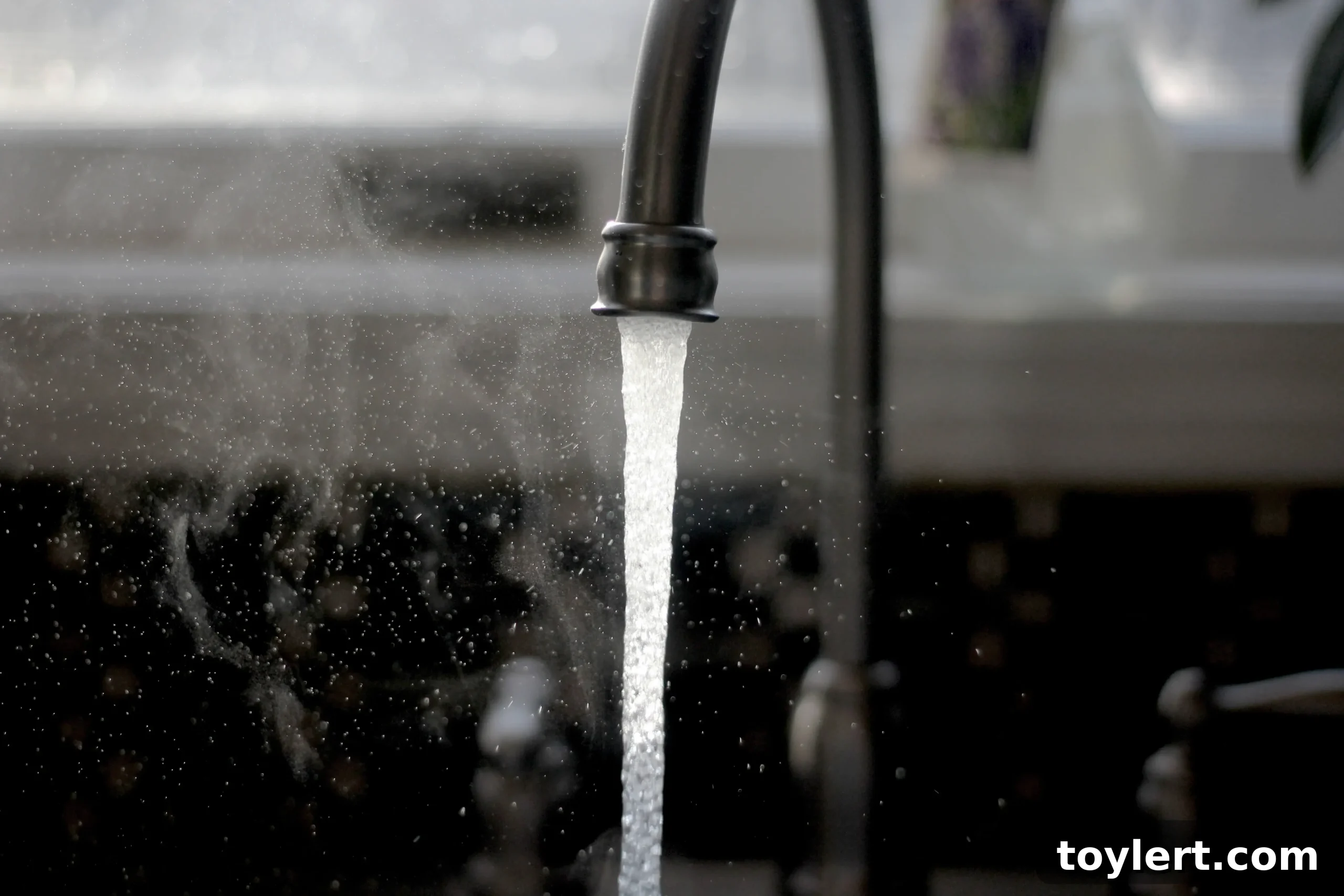
Addressing Faucet Sediment: To Clean, Filter, or Both?
The unwelcome appearance of sediment in your faucet water can be a startling experience, particularly if it follows recent plumbing work in your home. This common issue often leads homeowners to a crucial crossroads: is a quick clean of the faucet filter enough to solve the problem, or is it time to invest in a more robust water filtration system? This article aims to explore the causes of faucet sediment, guide you through initial troubleshooting steps, and help you weigh the pros and cons of various filtration solutions to ensure clean, clear water flows from every tap.
Understanding the Root Cause of Faucet Sediment
Before deciding on a solution, it’s essential to pinpoint the likely source of the sediment. Sediment in tap water can be broadly defined as any small, insoluble particles suspended in the water, which can eventually settle. These can include rust flakes from corroding pipes, sand, silt, scale from hard water, or even minuscule fragments of pipe material. Its presence can manifest as cloudy water, visible particles, a gritty feel, or even a metallic taste, negatively impacting both the aesthetic and quality of your water supply.
Why Does Sediment Appear After Plumbing Work?
The timing of the sediment’s appearance—specifically after plumbing work—is a critical piece of information that often points to specific culprits:
- Disturbed Pipes: When existing pipes are cut, joined, or even just moved during repairs or renovations, accumulated mineral deposits, rust, or other debris lining the inside of older pipes can become dislodged and enter the water flow.
- New Material Contamination: If new pipes or fixtures were installed, residual manufacturing debris, flux from soldering, or even small plastic shavings might be introduced into the system temporarily.
- Water Main Shock: Significant plumbing operations, especially those involving turning off and on the main water supply, can create pressure fluctuations that disturb sediment not only within your home’s pipes but potentially even in the municipal water mains, sending it towards your property.
- Well Water Systems: For homes on well water, plumbing work might stir up sediment from the well itself or disrupt an existing filtration system, leading to a temporary increase in particulate matter.
Understanding these potential causes helps determine whether the sediment is a temporary nuisance or a symptom of a larger, ongoing issue.
The First Line of Defense: Cleaning Your Faucet Aerator
Regardless of the suspected cause, the immediate and most straightforward action is to inspect and clean your faucet aerator. This small, often overlooked component at the tip of your faucet is designed to perform two key functions: to introduce air into the water stream for a smoother flow and to act as a preliminary filter, catching larger particles before they exit the spout. Over time, these particles, along with mineral deposits, can accumulate and restrict water flow or become visible in your water.
A Step-by-Step Guide to Cleaning Your Faucet Aerator:
- Gather Your Tools: You’ll typically need an adjustable wrench or pliers (optional, often you can unscrew by hand), a small brush (like an old toothbrush), a small container for soaking, and white vinegar.
- Prepare the Area: Place a cloth or stopper in the sink drain to prevent small parts from falling away.
- Remove the Aerator: Most aerators can be unscrewed by hand, turning counter-clockwise. If it’s too tight, wrap a cloth around the aerator to protect its finish and use pliers to gently loosen it.
- Disassemble the Components: Once removed, carefully separate the aerator into its individual parts, which usually include a cap, a rubber washer, a screen, and a flow restrictor. Pay attention to the order of the components for correct reassembly.
- Clean Each Part Thoroughly: Rinse all components under strong running water. Use your small brush to scrub away any visible sediment, grit, or slime from the screen and other parts. For stubborn mineral deposits (limescale), soak the parts in a solution of equal parts white vinegar and water for 30 minutes to an hour. The acid in the vinegar helps dissolve mineral buildup.
- Rinse and Reassemble: After cleaning, rinse all parts again to remove any lingering debris or vinegar residue. Carefully reassemble the aerator in the reverse order of disassembly, ensuring the rubber washer is correctly seated to prevent leaks.
- Reattach to Faucet: Screw the cleaned and reassembled aerator back onto the faucet. Tighten it securely by hand; avoid overtightening with tools, as this can damage the aerator or faucet threads.
- Test the Flow: Turn on the water to check for a smooth, clear flow and to ensure there are no leaks.
If cleaning the aerator resolves the sediment issue and the problem does not quickly return, it’s likely that the sediment was a temporary byproduct of the disturbed plumbing, caught effectively by the aerator as designed. This is often the most cost-effective and immediate solution.
Beyond the Aerator: When to Consider a Water Filtration System
However, if sediment promptly reappears after cleaning, or if you notice sediment in multiple faucets throughout your home, it signals a more pervasive issue within your water supply or plumbing system. In such scenarios, a dedicated water filtration system becomes a compelling and often necessary consideration. These systems are designed to remove various impurities, improve overall water quality, and protect your entire home’s plumbing infrastructure and appliances.
The Advantages of Installing a Water Filtration System:
- Enhanced Water Purity: A well-chosen filtration system can significantly reduce or eliminate a wide spectrum of contaminants, including sediment, chlorine, heavy metals (like lead), pesticides, volatile organic compounds (VOCs), and even certain bacteria and viruses. This results in cleaner, safer water for drinking, cooking, and bathing.
- Health and Wellness Benefits: By removing potentially harmful substances, filtration systems contribute to better health, minimizing exposure to irritants, toxins, or long-term health risks associated with certain waterborne chemicals.
- Superior Taste and Odor: Filters, particularly carbon-based ones, are highly effective at removing chlorine and other chemicals that impart unpleasant tastes and odors to tap water, making it more palatable and enjoyable.
- Protection for Plumbing and Appliances: Sediment, scale, and other impurities can cause abrasive wear and tear on pipes, faucets, water heaters, dishwashers, and washing machines. Filtering water extends the lifespan and maintains the efficiency of these valuable household investments, reducing maintenance and repair costs.
- Cost Savings Over Time: While there’s an initial outlay, a filtration system can eliminate the need to purchase expensive bottled water, leading to considerable savings over months and years. Reduced appliance wear also translates to fewer replacement costs.
- Environmental Impact: Relying on filtered tap water significantly reduces plastic waste from single-use bottled water, contributing to a healthier planet.
- Peace of Mind: Knowing that your family has constant access to high-quality, filtered water provides invaluable reassurance and confidence in your home’s water supply.
Potential Disadvantages of Water Filtration Systems:
- Initial Investment: The upfront cost of purchasing and installing a quality water filtration system can range from a few hundred dollars for a basic point-of-use unit to several thousands for a comprehensive whole-house system.
- Ongoing Maintenance and Filter Replacements: Filters have a finite lifespan and require regular replacement (typically every 3-12 months, depending on the filter type and water usage). This incurs recurring costs and demands periodic attention. Neglecting filter replacement can lead to reduced efficacy, lower water quality, or even microbial growth within the filter media.
- Potential for Reduced Water Pressure: Some multi-stage or whole-house filtration systems, particularly those with finer micron ratings, can cause a slight reduction in water pressure or flow rate, which might be noticeable in homes with already low water pressure.
- Installation Complexity: While simple faucet-mounted or pitcher filters are DIY-friendly, under-sink and especially whole-house systems often require professional installation, adding to the overall cost.
- Space Requirements: Whole-house filtration units can be bulky and require dedicated space in a utility closet, basement, or garage.
- Not a Universal Solution: No single type of filter can remove every conceivable contaminant. Specific water problems may require specialized filtration technologies. It’s crucial to match the filter to the contaminants present.
Choosing the Right Water Filtration System: Types to Consider
The best filtration system for your home will depend on the nature of your water problem, your budget, and the extent of filtration you desire.
1. Point-of-Use (POU) Systems:
These systems filter water at a specific tap or outlet where water is used, primarily for drinking, cooking, or showering.
- Faucet-Mounted Filters: Attach directly to your existing faucet. They are easy to install and relatively inexpensive, offering immediate filtered water, but can be somewhat bulky and may slightly restrict flow.
- Under-Sink Filters: Installed discreetly beneath the kitchen sink, these units provide filtered water through a dedicated secondary faucet. They offer superior filtration compared to faucet-mounted units and are out of sight.
- Countertop Filters: These sit on the kitchen counter, either connecting to your existing faucet or operating as a gravity-fed system. They are portable and require no permanent installation but occupy counter space.
- Water Filter Pitchers: The most basic and affordable POU option. Water is manually poured into a pitcher with an integrated filter. They are convenient but provide limited quantities of filtered water at a time and filter slowly.
- Showerhead Filters: Designed to remove chlorine and other chemicals that can irritate skin and hair, these are specific POU filters for bathing.
2. Point-of-Entry (POE) or Whole-House Systems:
Installed where the main water line enters your home, these systems treat all the water supplied to your entire household, protecting every faucet, shower, and water-using appliance from sediment and other contaminants.
- Whole-House Sediment Filters: These are often the first stage in a multi-stage whole-house system. Their primary job is to remove larger particles like sand, silt, rust, and scale, preventing them from entering your plumbing and extending the life of subsequent filters.
- Whole-House Carbon Filters: Excellent for removing chlorine, chloramines, VOCs, pesticides, herbicides, and improving overall taste and odor throughout the entire home. Often combined with sediment pre-filters.
- Water Softeners: While not strictly filters, softeners address hard water by removing calcium and magnesium ions through an ion exchange process. Hard water is a major contributor to scale buildup, which can mimic sediment and damage appliances.
- Reverse Osmosis (RO) Systems: Highly effective at removing a very broad range of contaminants, including dissolved solids, heavy metals, fluoride, and microorganisms. Typically installed as POU systems under a sink due to their slower flow rate and water waste, but whole-house RO systems exist for specific, high-purity applications, though they are very expensive and require significant maintenance.
Making the Informed Decision: Key Factors for Homeowners
To navigate the choice between simple cleaning and comprehensive filtration, consider these crucial factors:
- Water Quality Test: This is arguably the most important step. A professional water test will accurately identify the specific contaminants present in your water, their concentrations, and whether they pose health risks. This data is invaluable for selecting the most appropriate and effective filtration technology. Without it, you might be filtering for the wrong problem.
- Persistence and Scope of the Problem: Is the sediment a one-time occurrence that disappeared after aerator cleaning, or does it continually reappear? Is it isolated to a single faucet, or are multiple fixtures affected? Widespread and persistent sediment strongly indicates a systemic issue requiring a whole-house solution.
- Overall Water Concerns: Beyond just sediment, do you have concerns about the taste, odor, hardness, or potential chemical/biological contaminants in your water? A comprehensive filtration system can address multiple issues simultaneously, providing broader benefits.
- Budgetary Considerations: Evaluate not only the initial purchase and installation costs of a filtration system but also the ongoing expenses for filter replacements and potential maintenance.
- Home Plumbing System: The age and material of your pipes play a role. Older galvanized pipes are notorious for rust and internal corrosion, which can generate sediment. Newer PEX or copper pipes are less likely to be the source of internal sediment but can still transport municipal sediment.
- Professional Consultation: When in doubt, consult with a reputable plumber or water quality specialist. They can diagnose the source of the sediment, recommend a tailored solution based on your water test results, and provide professional installation if needed.
Revisiting the Plumbing Work Connection
Since the sediment appeared directly after plumbing work, it’s prudent to follow up with the plumber who performed the service. Inquire if this is a known side effect of the work performed, and if they have any specific recommendations, such as a full system flush. Often, plumbers will recommend flushing all cold water taps for 15-30 minutes after significant pipe work to clear any residual debris. This simple act, performed for all cold water outlets, can often dislodge and remove any remaining sediment that was stirred up.
If the plumber confirms that such temporary sediment is expected and a flush has been performed, and the issue persists, then it points more strongly to an underlying water quality issue rather than just a transient disturbance.
Conclusion and Final Recommendations
The decision between a simple faucet aerator cleaning and investing in a water filtration system ultimately hinges on the nature, persistence, and scope of your sediment problem. For the homeowner observing sediment after plumbing work, the initial and most logical step is to thoroughly clean the faucet aerator. If this resolves the issue and the sediment does not quickly return, it was likely a temporary disturbance from the plumbing work, effectively mitigated by the aerator.
However, if sediment reappears rapidly, affects multiple fixtures, or if you have broader concerns about your home’s water quality, then a water filtration system becomes a highly advisable investment. Begin with a comprehensive water quality test to accurately identify any contaminants. Following this, consult with a qualified water treatment professional. They can guide you through the various options, from targeted point-of-use filters for specific concerns to robust whole-house systems that ensure superior water quality throughout your entire residence.
Ultimately, prioritizing water quality is an investment in your home’s longevity, the efficiency of your appliances, and most importantly, the health and well-being of your family. Do not let persistent sediment detract from the comfort and safety of your home; take the necessary steps to achieve consistently clear, clean water from every tap.