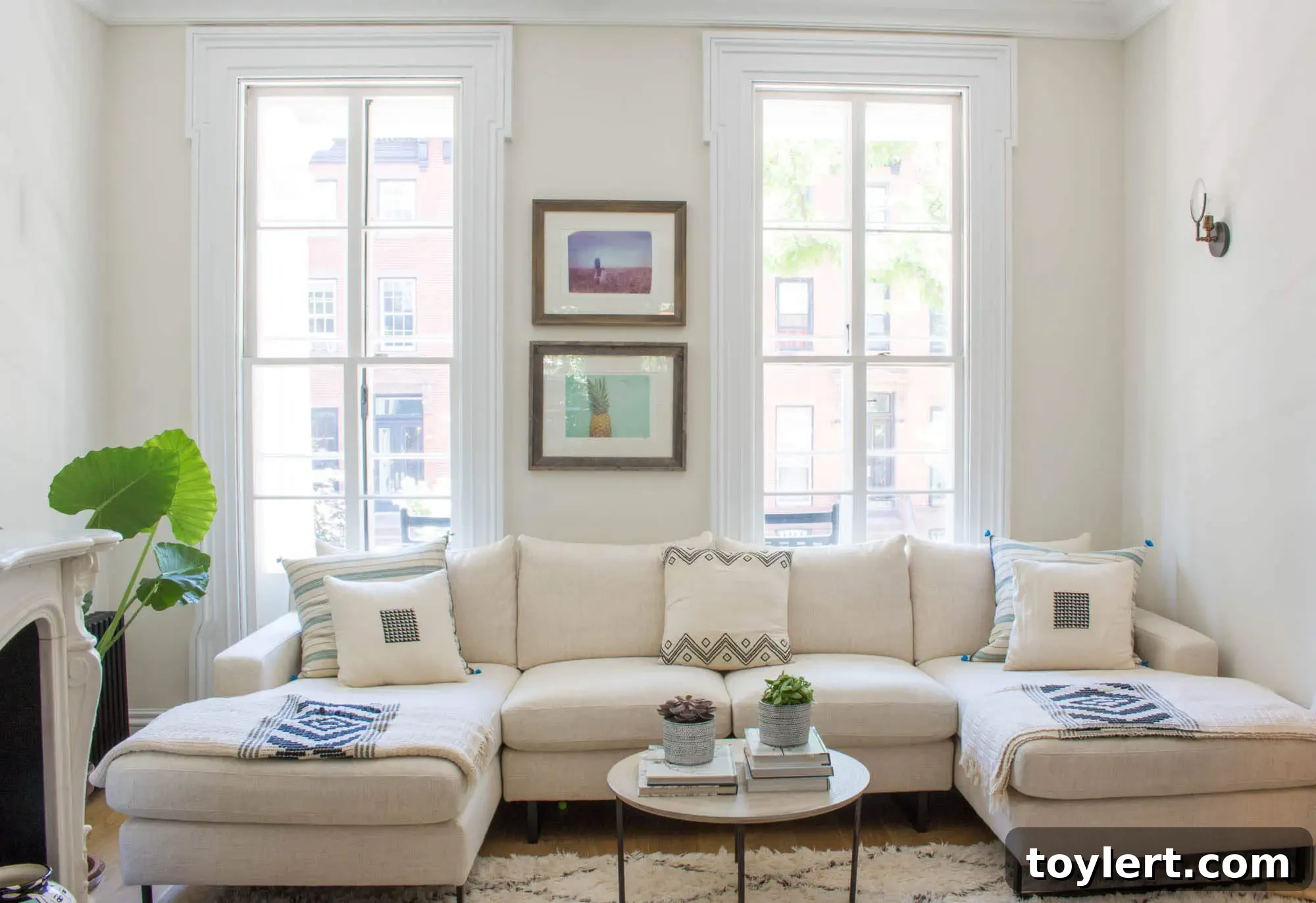
Elegant Privacy: Enhancing Parlor Floor Windows in Historic Homes Without Sacrificing Light or Charm
Historic homes, particularly those with grand parlor floor windows, offer an unparalleled sense of charm, character, and an abundance of natural light. These expansive windows are often architectural masterpieces, framed by intricate moldings and boasting tall, stately dimensions that flood living spaces with a beautiful, bright ambiance. However, this very openness, especially in street-facing parlors, can pose a challenge: how to achieve a desired level of privacy without compromising the inflow of light or detracting from the stunning aesthetic of the interior architecture, including those exquisite original moldings. Many homeowners grapple with this dilemma, seeking window covering solutions that offer a delicate balance rather than complete concealment.
The quest for partial privacy is a common one. Homeowners want to soften the view from outside, reduce glare, and create a sense of intimacy within their private spaces, all while preserving the light and showcasing the historic beauty of their windows. The key lies in selecting options that are not only functional but also harmonize with the home’s historic context and personal style. This detailed guide explores a variety of sophisticated window treatment options designed to provide that elusive balance, allowing you to enjoy both privacy and the timeless beauty of your parlor floor windows.
Understanding the Unique Qualities of Parlor Floor Windows
Before diving into specific solutions, it’s crucial to appreciate what makes parlor floor windows so distinct. They are typically much taller and wider than standard windows, often reaching from floor to ceiling or near to it. Their historical design frequently includes multiple panes, sash weights, and elaborate trim work. Any chosen window treatment must consider these unique characteristics to ensure it enhances, rather than detracts from, the window’s inherent grandeur. The goal is to provide cover where needed, while allowing the upper sections and intricate moldings to remain largely unobstructed, celebrating the original craftsmanship of the home.
Key Considerations for Historic Home Window Coverings
When selecting window treatments for a historic parlor floor, several factors come into play:
- Light Preservation: The primary desire is to maintain as much natural light as possible.
- Privacy Control: Achieving an appropriate level of privacy, especially from street views, is essential.
- Aesthetic Integration: The coverings must complement the home’s architectural style and interior design, respecting its historic integrity.
- Moldings and Trim: Any installation should avoid damaging or obscuring existing decorative moldings. Inside mounts are often preferred where possible to keep the trim visible.
- Ease of Use: The treatments should be easy to operate for daily light and privacy adjustments.
- Durability and Maintenance: Given the size of the windows, treatments should be robust and relatively easy to care for.
Top Window Covering Options for Elegant Privacy
1. Sheer Curtains and Drapery Panels
Sheer curtains are a quintessential choice for homeowners seeking softness, diffused light, and a touch of privacy. Made from delicate, translucent fabrics like voile, linen, or lace, sheers gently filter sunlight, reducing glare while still allowing the room to feel bright and airy. They provide a graceful barrier that obscures the direct view into your home during the day, yet still connect you to the outside world.
Pros:
- Light Filtration: They excel at diffusing harsh sunlight, creating a soft, ethereal glow without blocking significant light.
- Subtle Privacy: Offers a good degree of daytime privacy, making it difficult for outsiders to see clearly into the room.
- Aesthetic Appeal: Sheers add a layer of sophistication and texture, enhancing the room’s decor. They can soften the hard lines of windows and walls.
- Moldings-Friendly: When hung on a rod slightly wider than the window frame, they can gracefully frame the window, leaving the intricate moldings fully visible. Alternatively, an inside mount track can be used discreetly within the window frame.
- Versatility: Available in a vast array of fabrics, colors, and textures, from crisp white linen to embroidered patterns, allowing for personalization.
Cons:
- Nighttime Privacy: While excellent for daytime, sheers offer limited privacy at night when interior lights are on, as silhouettes can be visible.
- Dust Accumulation: Lighter fabrics can show dust more easily and may require more frequent cleaning.
Tip: Consider double curtain rods. A sheer panel on the inner rod provides daytime privacy, while a decorative, more opaque panel on the outer rod can be drawn for full privacy at night or when desired, without permanently covering the window during the day.
2. Top-Down/Bottom-Up Shades (Cellular, Pleated, or Roman)
One of the most innovative and functional solutions for balancing light and privacy, especially for large parlor windows, is the top-down/bottom-up shade. These versatile shades allow you to adjust their position from both the top and the bottom of the window frame.
Pros:
- Unrivaled Privacy Control: You can lower the shade from the top to allow natural light to stream in while maintaining privacy at eye level from the street. Conversely, raising it from the bottom offers traditional light control.
- Light Optimization: This unique functionality allows you to direct natural light precisely where you want it, for example, allowing light to flood the ceiling while blocking direct views.
- Sleek Appearance: When fully raised, these shades discreetly disappear into a compact headrail, leaving the entire window and its moldings exposed.
- Energy Efficiency: Cellular (honeycomb) shades, a popular variety of top-down/bottom-up, offer excellent insulation, helping to regulate indoor temperatures.
- Material Variety: Available in sheer, light-filtering, or room-darkening fabrics, allowing for customization based on your specific needs.
Cons:
- Visible Cords/Mechanism: Depending on the style, the cords or internal mechanisms might be visible, although many modern designs offer cordless options.
- Cost: Custom top-down/bottom-up shades, especially for large windows, can be a significant investment.
Tip: Opt for a light-filtering fabric to maximize daylight while still gaining privacy. Inside mounting is ideal for preserving the visual integrity of historic moldings.
3. Café Curtains
Embodying a charming, classic aesthetic, café curtains cover only the lower portion of the window, typically at or just above the midpoint. This style is particularly well-suited for parlor floor windows where street-level privacy is the primary concern, but ample light from above is desired.
Pros:
- Targeted Privacy: Effectively blocks views into the lower part of the room where most activity occurs, providing privacy from passersby.
- Abundant Top Light: Leaves the upper half of the window completely unobstructed, ensuring maximum natural light penetration.
- Highlights Moldings: This style beautifully showcases the upper window frame and decorative moldings, which often feature the most intricate detailing.
- Classic Aesthetic: Adds a quaint, European-inspired touch that complements many historic home styles.
- Cost-Effective: Generally less fabric is required than full-length curtains, making them a more budget-friendly option.
Cons:
- Limited Upper Privacy: Offers no privacy for the upper section of the window.
- Specific Style: The café curtain look might not align with every homeowner’s interior design preferences.
Tip: Choose a fabric that harmonizes with your room’s decor, such as a crisp linen, a delicate lace, or a classic gingham. Install them on a slim, elegant rod mounted within the window frame or just above the lower sash to maintain a clean look.
4. Decorative Window Films or Frosted Glass
For a permanent, low-maintenance solution that offers privacy without any physical obstruction, decorative window films or frosted glass are excellent alternatives. These films adhere directly to the glass surface, mimicking the appearance of etched, frosted, or textured glass.
Pros:
- Complete Privacy (where applied): Effectively obscures views while still allowing natural light to pass through.
- No Obstruction: Since they are applied directly to the glass, they do not interfere with window operation or obscure moldings.
- Light Preservation: Frosted or patterned films diffuse light, reducing glare without making the room dark.
- Cost-Effective: Generally more affordable than custom shades or curtains, and a less invasive alternative to replacing glass.
- UV Protection: Many films offer UV protection, helping to prevent fading of furniture and flooring.
Cons:
- Permanence: While removable, films are not easily adjustable for varying levels of privacy or light throughout the day.
- View Alteration: The film will obscure your view of the outside.
- Aesthetic: Might not suit all historic aesthetics if a more traditional fabric look is desired.
Tip: Apply film only to the lower panes of the window to maintain privacy at eye level while keeping the upper panes clear for an unobstructed view and maximum light. There are also beautiful stained-glass effect films that can add a historic touch.
5. Interior Shutters (Café Style or Adjustable Louvered)
Interior shutters are a timeless choice for historic homes, offering a blend of robust privacy, light control, and undeniable architectural charm. For parlor windows, consider café-style shutters that cover only the lower half, or full-height shutters with adjustable louvers.
Pros:
- Superior Privacy & Light Control: Louvered shutters allow you to precisely angle the slats to direct light and block views. Café shutters offer excellent privacy for the lower window.
- Architectural Enhancement: Shutters add a layer of classic design and can significantly enhance the historic character of a room.
- Durability: Made from wood or composite materials, shutters are exceptionally durable and long-lasting.
- Energy Efficiency: They provide an additional layer of insulation against heat and cold.
Cons:
- Cost: Custom shutters, especially for large, historic windows, can be a significant investment.
- Bulk: They are more substantial than fabric options and might protrude slightly, potentially impacting very ornate shallow moldings if not carefully measured for an inside mount.
- Light Blockage: Even with adjustable louvers, shutters can block more ambient light than sheers or films when partially closed.
Tip: Ensure precise measurements for an inside mount to preserve the visibility of your window moldings. White or cream shutters offer a bright, fresh look that complements most historic interiors.
Installation Considerations for Historic Windows and Moldings
Regardless of the chosen option, mindful installation is paramount in a historic home. Always consider:
- Inside Mount vs. Outside Mount: An inside mount (where the treatment fits within the window frame) is generally preferred to showcase moldings. However, if the window frame is not perfectly square or deep enough, an outside mount (where the treatment covers the frame and molding) might be necessary.
- Minimizing Damage: Use professional installers experienced with historic homes to ensure minimal drilling or damage to plaster and original wood. Consider using tension rods for café curtains or sheers if you want a no-drill solution.
- Hardware: Choose hardware that complements the age and style of your home – elegant, understated rods or tracks are usually best.
The Art of the Layered Approach (Subtle Version)
While the homeowner expressed a desire not to cover the windows completely, a subtle layered approach can still be effective. This could involve combining a sheer roller shade (which disappears when not in use) with decorative side panels that frame the window, adding softness and style without obscuring the glass itself. The side panels would remain stationary, pulled back to reveal the moldings, and the sheer roller shade would be lowered only when privacy or sun diffusion is needed.
Conclusion: Finding Your Perfect Balance
Achieving the ideal balance of privacy, light, and aesthetic appeal for parlor floor windows in a historic home is a nuanced decision. There’s no single “best” option, as the choice depends heavily on your specific needs, the orientation of your windows, your interior design vision, and the historical context of your home.
Whether you lean towards the soft elegance of sheers, the precise control of top-down/bottom-up shades, the classic charm of café curtains, the modern simplicity of window films, or the robust character of interior shutters, each solution offers unique benefits. Carefully consider how each option interacts with your home’s beautiful interior moldings and its original architectural integrity.
By thoughtfully weighing these options and perhaps seeking advice from a window treatment specialist experienced with historic properties, you can select a solution that not only provides the privacy you desire but also celebrates the timeless beauty of your cherished historic parlor floor windows, allowing them to shine brightly for years to come.