Unveiling the Enigma: A Dumbo Loft at 50 Bridge Street – Opportunity or Obstacle?
Dumbo, Brooklyn, a name synonymous with artistic charm, industrial chic, and breathtaking waterfront views, consistently ranks among New York City’s most sought-after neighborhoods. Its unique blend of historic cobblestone streets, converted warehouse lofts, and a vibrant community has created a real estate market where premium prices are the norm. Yet, every so often, a listing emerges that prompts both intrigue and caution, challenging the conventional wisdom of Dumbo property values. Such is the case with the recent loft offering at 50 Bridge Street – a sprawling space that presents itself as a remarkable value, albeit with a significant caveat that demands thorough consideration.
This particular loft listing at 50 Bridge Street immediately catches the eye with its sheer scale and an asking price of $1,500,000, which, for Dumbo, appears surprisingly accessible for a property of this magnitude. It’s a price point that could tempt many aspiring Brooklyn loft dwellers, offering a rare opportunity to enter a highly desirable market without the astronomical figures typically associated with such generous square footage in this coveted locale. However, beneath the surface of its undeniable appeal lies a disclosure that transforms what might seem like a straightforward purchase into a complex decision: “Use of this loft does not conform to building department standards.” This statement serves as a potent reminder that in New York City real estate, as in life, what appears too good to be true often comes with an intricate backstory.
The Allure of Dumbo Living: More Than Just a Location
Dumbo, an acronym for “Down Under the Manhattan Bridge Overpass,” has undergone a phenomenal transformation from a gritty industrial zone to a thriving residential and commercial hub. Its cobblestone streets, pre-war warehouses, and iconic views of the Manhattan and Brooklyn bridges have made it a magnet for artists, tech entrepreneurs, and families seeking a dynamic urban lifestyle. Residents enjoy direct access to Brooklyn Bridge Park, a sprawling waterfront oasis offering recreational facilities, lush green spaces, and unparalleled views of the Manhattan skyline. The neighborhood boasts a rich cultural scene, with numerous art galleries, independent boutiques, and an array of acclaimed restaurants and cafes.
Connectivity is another major draw. Dumbo is well-served by multiple subway lines (A/C, F), making commutes to Manhattan swift and convenient. The NYC Ferry also provides an alternative, scenic route, further enhancing its appeal. The community here is vibrant and engaged, characterized by a creative energy and a strong sense of local pride. This unique combination of history, culture, convenience, and natural beauty consistently drives strong demand for real estate, particularly for authentic loft spaces that embody the neighborhood’s industrial heritage.
A Closer Look at 50 Bridge Street: Architectural Grandeur and Design Potential
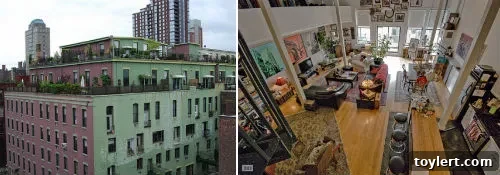
The loft at 50 Bridge Street is an architectural marvel that truly embodies the essence of Dumbo’s industrial-chic aesthetic. Its defining feature is undoubtedly the expansive great room, a space that commands attention with its soaring 15-foot ceilings. Such impressive height not only creates an immediate sense of grandeur and airiness but also allows for an abundance of natural light to flood the interior, enhancing the overall spaciousness. This vertical dimension is a hallmark of true loft living, differentiating it from conventional apartment layouts.
Adding to its distinctive character are the freestanding columns, architectural elements that harken back to the building’s industrial origins. These columns aren’t merely structural; they serve as bold design statements, grounding the expansive room and offering subtle visual dividers without impeding the open flow. They present an opportunity for creative lighting designs or even integrated shelving, further enhancing the loft’s unique appeal.
A true centerpiece of the great room is the elegant circular staircase, an architectural flourish that not only provides access to the mezzanine level but also acts as a sculptural focal point. This design element elevates the aesthetic of the space, turning a functional necessity into an artistic statement. The mezzanine itself represents a valuable bonus space, offering versatility for a variety of uses. It could serve as a serene home office, a private guest bedroom, an inspiring art studio, or a cozy library retreat. Its elevated position offers a unique vantage point over the great room, adding another layer of depth and interest to the apartment’s layout.
However, despite its impressive size and architectural features, the current configuration of the loft presents certain limitations. With only a single master bedroom, the apartment, as it stands, is not ideally suited for family living or for individuals requiring multiple distinct sleeping quarters. This aspect suggests a design intent geared towards a single occupant, a couple, or perhaps a live-work setup. For potential buyers envisioning a family home, this limitation would necessitate a significant redesign and reconfiguration of the space, a task that brings us directly to the core challenge of this unique listing.
The Building Code Conundrum: Understanding the Implications
The crucial disclosure that “Use of this loft does not conform to building department standards” is not to be taken lightly. In a city like New York, with its stringent building regulations and complex bureaucratic processes, this statement flags a potentially significant issue. It could stem from various factors, such as unpermitted alterations made by a previous owner, a change in occupancy classification without proper approvals, or modifications that do not meet current safety, egress, or fire codes.
The implications for a prospective buyer are multi-faceted and demand extensive due diligence. Firstly, securing a mortgage could prove challenging. Lenders are often hesitant to finance properties with unaddressed code violations, as these issues can affect the property’s legal usability, insurability, and resale value. Cash buyers might find themselves with greater flexibility, but even then, the underlying problems persist. Secondly, insurance companies might also raise concerns, potentially refusing coverage or charging higher premiums due to perceived risks.
Perhaps the most significant implication lies in the potential costs and complexities of remediation. Resolving building code violations typically involves hiring an architect or engineer to assess the existing conditions, design compliant solutions, and navigate the labyrinthine permit application process with the Department of Buildings (DOB). This can be a lengthy, expensive, and often frustrating endeavor, involving multiple inspections, approvals, and potentially costly construction work to bring the property up to code. There’s also the risk of fines or even an order to vacate the premises if violations are deemed severe and unaddressed. For buyers who lack experience with such projects or a substantial renovation budget, this could quickly spiral into a “bureaucratic nightmare.” The listing explicitly advises: “Consult an architect for further details,” a recommendation that should be considered mandatory for any serious contender.
The Price Point Explained: A Calculated Risk?
The asking price of $1,500,000 for such a large loft in Dumbo is remarkably competitive, bordering on a significant discount when compared to similar-sized properties in the neighborhood that are fully compliant with building codes. This pricing strategy is a direct reflection of the disclosed non-conformity. It’s the market’s way of factoring in the potential risks, costs, and uncertainties associated with purchasing a property that requires substantial legal and structural rectification.
For an astute buyer, this price could represent a strategic investment opportunity. If the building code issues are resolvable within a reasonable budget and timeframe, the loft’s eventual market value could significantly exceed the initial purchase price plus renovation costs. It’s a chance to acquire a premium piece of Dumbo real estate at a lower entry point, with the potential for substantial equity growth once the property is brought into full compliance. However, this opportunity is directly proportional to the amount of risk a buyer is willing and able to absorb. The ‘discount’ is essentially compensation for taking on the responsibility of rectifying the existing issues.
Buying Opportunity or Bureaucratic Nightmare: The Deciding Factors
The ultimate classification of this Dumbo loft as either a “buying opportunity” or a “bureaucratic nightmare” hinges entirely on the perspective and capabilities of the potential buyer.
The Case for a Buying Opportunity:
For certain types of buyers, this loft represents an unparalleled chance to secure a truly unique space in Dumbo. An experienced investor or developer, particularly one with a track record of navigating NYC’s building regulations, might view this as a project with high potential returns. An architect or designer looking for a personal project, eager to imprint their vision onto a vast canvas, could find this property incredibly appealing. It offers the rare ability to customize a sprawling loft from the ground up, tailored precisely to their specifications, something often impossible with turn-key properties. The sheer size and architectural character – the 15-foot ceilings, industrial columns, and circular staircase – are features that are highly desirable and difficult to replicate. If the building code issues are found to be manageable, perhaps requiring specific permits for existing layouts or minor structural adjustments, the initial lower price could translate into significant appreciation once the property is legally compliant and potentially reconfigured for additional bedrooms. It’s an investment in a desirable location at a below-market entry point, promising substantial upside for those willing to do the work.
The Case for a Bureaucratic Nightmare:
Conversely, for buyers seeking a straightforward, move-in-ready home, or those unfamiliar with the intricacies of New York City construction and zoning laws, this loft could quickly become an overwhelming burden. The costs associated with architectural consultations, engineering reports, permit applications, and potential remediation work can be substantial and unpredictable. Delays in obtaining approvals from the Department of Buildings are common, leading to prolonged project timelines and added stress. Furthermore, the possibility of encountering unforeseen structural or safety issues during the assessment process could escalate costs dramatically. For a buyer reliant on traditional mortgage financing, the property’s non-conforming status could present insurmountable obstacles, leading to frustrated efforts and potentially lost deposits if they cannot secure funding. The “bureaucratic nightmare” scenario is very real for those who underestimate the complexity of such a project or lack the financial and emotional reserves to see it through.
Who is This Property For?
This loft is ideal for a very specific type of buyer:
- Experienced Investors/Developers: Individuals or firms with a deep understanding of the NYC real estate market and a proven ability to manage complex renovation projects, including navigating building code compliance.
- Architects or Designers: Professionals looking for a personal residence or project where they can apply their expertise to transform a challenging space into a masterpiece.
- Cash Buyers: Those who are not reliant on mortgage financing, giving them greater flexibility to tackle the compliance issues without lender interference.
- Risk-Tolerant Buyers: Individuals who understand the potential for unforeseen costs and delays but are willing to undertake the challenge for the promise of a unique and potentially high-value asset in a prime location.
The Path Forward for Interested Buyers
For any prospective buyer intrigued by the prospect of 50 Bridge Street, the recommendation to “Consult an architect for further details” is paramount. This initial consultation should be expanded to include:
- Comprehensive Architectural and Engineering Review: Engage a licensed architect and structural engineer to conduct a thorough assessment of the property to identify all existing code violations and estimate the scope, cost, and timeline for remediation.
- Legal Counsel: Retain a real estate attorney with experience in properties with building code issues to review the listing, advise on potential legal liabilities, and guide through the purchase agreement to protect the buyer’s interests.
- Financial Planning: Develop a detailed budget that accounts not only for the purchase price but also for all projected remediation costs, permit fees, potential fines, and a contingency fund for unforeseen expenses.
- Lender Consultation: If financing is required, consult with lenders specializing in properties with unique challenges to understand their specific requirements and conditions.
Conclusion: A Dumbo Diamond in the Rough?
The loft at 50 Bridge Street in Dumbo is more than just a real estate listing; it’s a compelling case study in value versus risk. It offers the rare opportunity to acquire a substantial, architecturally rich space in one of Brooklyn’s most desirable neighborhoods at an exceptional price. The towering ceilings, classic industrial columns, and the allure of a circular staircase leading to a versatile mezzanine create an undeniable appeal for those dreaming of authentic loft living. However, this dream comes with a significant asterisk: its non-conformance to building department standards.
Ultimately, the decision to pursue this property rests squarely on the buyer’s shoulders. For the intrepid, well-resourced, and patient individual or entity, it could indeed be a significant buying opportunity, a chance to transform a challenging asset into a highly valuable and personalized urban sanctuary. For others, particularly those seeking simplicity and certainty, it could very well prove to be a protracted and costly bureaucratic nightmare. In the vibrant and complex world of New York City real estate, 50 Bridge Street stands as a powerful reminder that the greatest opportunities often lie hidden beneath layers of complexity, waiting for the right vision and expertise to unlock their true potential.
50 Bridge Street, #609 [Brown Harris Stevens]
GMAP
P*Shark