Brooklyn’s Dynamic Pulse: Unpacking the Latest Urban, Cultural, and Community Developments
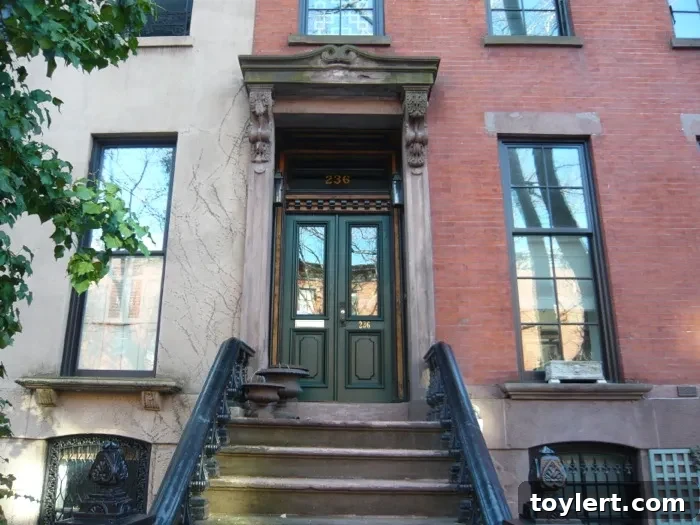
The ever-evolving streetscape of Brooklyn continues to blend historical charm with modern dynamism, as seen near 236 Dean Street. This reflects the constant flux of development and community life that defines the borough.
Brooklyn, a borough celebrated for its rich history, diverse communities, and relentless spirit of innovation, is currently navigating a period of profound transformation. From soaring real estate markets and ambitious urban development projects to critical infrastructure challenges and vibrant cultural expressions, the pulse of Brooklyn beats with an undeniable energy. Recent headlines paint a vivid picture of this dynamism, touching upon everything from the intricate dance of gentrification and community activism to the complex funding models of essential public services and the enduring legacy of historical narratives. This article delves into the core issues shaping Brooklyn today, offering an in-depth look at the stories that highlight its unique character and ongoing evolution.
The Shifting Sands of Urban Development and Housing
The real estate market in Brooklyn remains a focal point of discussion, characterized by intense demand and significant investment. The phrase “All That Is Solid Melts into Condos (in Brooklyn)” encapsulates the pervasive trend of gentrification and the rapid conversion of historic structures into luxury residences. This phenomenon, while bringing new investment and residents, often sparks heated debates about affordability, displacement, and the preservation of neighborhood character. Long-standing communities grapple with rising property values and the influx of new developments, leading to a palpable tension between progress and preservation.
Navigating the Affordable Housing Crisis
Addressing the borough’s housing needs is a monumental task, and the clock is indeed “Ticking for New Housing Boss to Meet de Blasio’s Goal.” The ambitious targets set by the city for creating and preserving affordable housing units demand innovative strategies and swift execution. The new housing leadership faces immense pressure to deliver tangible results in a market where demand far outstrips supply, and construction costs continue to climb. This ongoing effort requires navigating complex bureaucratic landscapes, securing diverse funding streams, and fostering collaboration between public and private sectors to ensure housing stability for all Brooklynites.
The Red-Hot Real Estate Market: A Glimpse into Bed-Stuy
The intensity of Brooklyn’s real estate boom is perhaps best exemplified by specific market indicators. Reports of properties like “In Contract Over Asking Price in Bed-Stuy: 260 Decatur Street” highlight the fiercely competitive environment. Bed-Stuy, a neighborhood with a rich cultural tapestry, has experienced significant gentrification, driving up prices and attracting a new demographic of buyers. Properties frequently sell above their asking price, illustrating the high demand and the speed at which the market moves. This trend has profound implications for long-term residents, local businesses, and the overall socio-economic fabric of the community, fostering discussions about equitable development and neighborhood preservation.
Williamsburg’s Evolving Skyline: New Hotel Developments
Beyond residential conversions, commercial development continues to reshape Brooklyn’s landscape. In Williamsburg, a neighborhood synonymous with artistic expression and modern living, the “Rabsky Group Revs up for New Hotel at 103 North 13th in Williamsburg.” This project signifies the ongoing transformation of industrial areas into mixed-use zones, catering to the growing tourism and business interests in the borough. While new hotels promise economic benefits and job creation, they also raise questions about their impact on existing infrastructure, neighborhood character, and the balance between visitor amenities and residential needs. The continuous evolution of Williamsburg’s skyline is a testament to Brooklyn’s role as a global destination.
The Future of LICH: A Community’s Battle for Healthcare
The saga surrounding Long Island College Hospital (LICH) in Brooklyn Heights has been a contentious battle for years, representing a significant fight for community healthcare access. A “Brooklyn Heights Community Forum on LICH Set for Tuesday, March 25” underscores the ongoing efforts by residents and advocates to influence the future of the hospital site. The potential closure or redevelopment of LICH has sparked widespread concern over the availability of vital medical services in a densely populated area. These forums serve as critical platforms for community members to voice their concerns, demand transparency, and collectively strategize to ensure adequate healthcare provisions remain a priority amidst development pressures.
Community Voice, Infrastructure, and Participatory Governance
Improving Public Amenities: The Coney Island Bathroom Brouhaha
Public infrastructure, though sometimes overlooked, plays a crucial role in enhancing the quality of life and supporting local tourism. The “City Offers Two New Spots for Coney Island Beach Bathrooms” addresses a long-standing issue for visitors to the iconic Coney Island beach. Adequate and well-maintained public facilities are essential for a popular destination, and the bureaucratic process of identifying and securing suitable locations can often be protracted. This seemingly minor issue highlights the challenges and commitments involved in providing basic services that significantly impact public experience and satisfaction.
The Enduring Impact of Hurricane Sandy on Infrastructure
Years after Hurricane Sandy devastated parts of New York City, its impact continues to be felt, particularly in infrastructure recovery efforts. The revelation that “Belt Parkway Lights Still out Since Hurricane Sandy” serves as a stark reminder of the long and arduous road to full recovery. Major infrastructure repairs, especially those affecting critical transportation arteries like the Belt Parkway, require substantial funding, complex logistics, and sustained political will. The lack of proper lighting poses safety concerns for commuters and underscores the need for resilient infrastructure planning in the face of increasingly severe weather events.
Local Activism Against Development: The Methodist Expansion Case
Community groups often mobilize to protect their neighborhoods from what they perceive as overdevelopment or incompatible projects. A “Classic Car Show to Benefit Park Slope Group’s Battle Against Methodist Expansion” illustrates the creative ways residents rally support for their causes. The expansion plans of major institutions like New York-Presbyterian Brooklyn Methodist Hospital, while intended to improve healthcare services, can clash with the desires of local residents concerned about increased traffic, loss of historic character, and environmental impacts. These battles highlight the crucial role of community organizing and advocacy in shaping urban development policies.
Participatory Budgeting: Empowering Brooklynites to Decide
In a direct demonstration of democratic engagement, “Brooklynites Pitch Ways to Spend $1 Million in City Money” through participatory budgeting initiatives. This innovative program allows residents to directly propose and vote on how a portion of their district’s discretionary budget is spent. Projects can range from local park improvements and school upgrades to street safety measures. This process not only fosters a greater sense of civic ownership but also ensures that public funds are allocated to address the most pressing and locally identified needs, making governance more responsive and representative.
Brooklyn’s Cultural Tapestry: History, Art, and Community
A Glimpse into Brooklyn’s Dark Past: Murder Inc.
Brooklyn’s rich history is multifaceted, extending into its grittier and more infamous chapters. The intriguing topic of “A $4,200 Art Book on the Jewish Gangsters of Brownsville’s Murder Inc.” sheds light on a significant, albeit dark, period in the borough’s past. Such an expensive art book underscores the enduring fascination with the organized crime syndicates that once operated in neighborhoods like Brownsville. These historical narratives, whether explored through academic texts or high-end art publications, contribute to a deeper understanding of Brooklyn’s complex evolution, its social dynamics, and the forces that shaped its early 20th-century identity.
Bushwick Open Studios: Managing Success and Inclusivity
Brooklyn’s thriving art scene is epitomized by events like Bushwick Open Studios, a popular annual festival that has grown exponentially over the years. However, its immense popularity has led to a crucial decision: the “Bushwick Open Studios Festival Limits Participation to Year-Round Residents.” This measure, while perhaps disappointing to some, aims to preserve the local, grassroots spirit of the event and ensure that it continues to primarily benefit and showcase the artists who are deeply embedded in the Bushwick community. It’s a common challenge for successful cultural events to balance growth with maintaining authenticity and local focus, especially in rapidly gentrifying neighborhoods.
Sustainable Transit: The Future of Citi Bike
Urban mobility and sustainable transportation initiatives are crucial for a densely populated borough like Brooklyn. “Citi Bike, Needing Millions of Dollars, Looks for Help” highlights the financial challenges faced by even popular and successful public-private partnerships. Bike-sharing programs like Citi Bike are integral to New York City’s efforts to promote active transportation and reduce carbon emissions. However, the operational costs, maintenance, and expansion into new areas require substantial and consistent funding. The search for additional financial support underscores the complex economic realities of sustaining large-scale urban infrastructure projects and their vital role in shaping a greener, more accessible city.
A Borough in Constant Motion
From the high-stakes world of real estate development and the critical debates around affordable housing to the vibrant expressions of its art scene and the ongoing resilience in the face of infrastructure challenges, Brooklyn remains a borough in constant motion. These recent headlines collectively paint a picture of a community actively engaged in shaping its future, balancing preservation with progress, and consistently demonstrating its unique blend of history, culture, and relentless forward momentum. The ongoing dialogue between residents, developers, and city officials ensures that Brooklyn will continue to evolve, always retaining the distinctive character that makes it one of the world’s most dynamic urban landscapes.