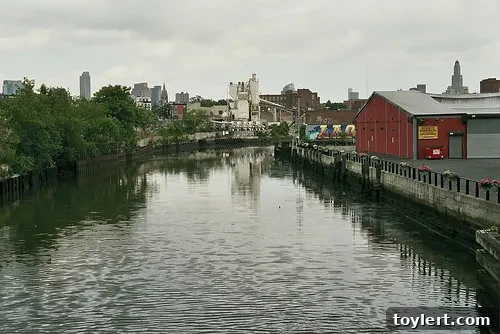
Unveiling the Future of the Gowanus Canal: A Historic Cleanup Plan
The Gowanus Canal, a notorious waterway winding through the heart of Brooklyn, has long been a potent symbol of industrial legacy and environmental neglect. Stretching for 1.8 miles, this once-vibrant commercial artery facilitated a bustling port economy but became heavily polluted over centuries of unregulated industrial discharge and combined sewer overflows. Its waters, a murky cocktail of toxic chemicals, raw sewage, and heavy metals, earned it the infamous designation as a federal Superfund site. For decades, the canal’s dire condition posed a severe threat to public health, local ecosystems, and hindered the development potential of the surrounding communities. The revelation of the Environmental Protection Agency’s (EPA) comprehensive cleanup plan marked a truly pivotal moment, offering a tangible path towards revitalizing this crucial urban waterway and transforming its blighted reputation into one of ecological restoration and community renewal.
The EPA’s Bold Vision: A Multi-Pronged Approach to Remediation
Yesterday, the EPA revealed its meticulously crafted plan for the Gowanus Canal’s extensive remediation. This ambitious undertaking was designed to tackle the multifaceted layers of pollution head-on, aiming to transform one of America’s most contaminated waterways into a cleaner, healthier environment. The proposal detailed a comprehensive approach, addressing both the historical accumulation of toxic sediment and the ongoing sources of contamination that had plagued the canal for generations.
Central to the EPA’s strategy was the extensive dredging of the canal bottom. This critical initial step involves the careful and precise removal of what has been colloquially known as “black mayonnaise”—a thick, tar-like sludge saturated with a potent and dangerous mix of polychlorinated biphenyls (PCBs), polycyclic aromatic hydrocarbons (PAHs), and various heavy metals. This hazardous material, deposited over more than a century of intensive industrial activity and untreated sewage discharge, represents the primary source of the canal’s profound toxicity. The dredging process itself is a complex engineering feat, requiring highly specialized equipment and techniques to extract the hazardous material without inadvertently dispersing contaminants further into the water column or disturbing surrounding areas. The sheer volume of this toxic goo necessitates careful handling, secure transportation, and eventual disposal in approved, high-security facilities, ensuring that the removed pollutants do not simply become an environmental issue elsewhere. This meticulous process is fundamental to physically removing the core source of contamination.
Following the removal of the most egregious layers of toxic sludge, the plan called for a robust and innovative capping process. This involves carefully layering clean materials over the remaining contaminated sediment, effectively creating an impermeable barrier. These layers typically consist of a base layer of sand or gravel, followed by an engineered clay or synthetic liner, and then topped with another layer of clean sand or concrete. The cap acts as a long-term protective measure, preventing the upward migration of any residual toxins from the deeper sediment and their re-entry into the water column and, subsequently, the aquatic food chain. This innovative engineering solution is crucial for ensuring the sustained health and ecological integrity of the canal long after the initial dredging operations are complete, providing a stable, clean substrate for the potential resurgence of aquatic ecosystems and safer interaction with the waterway.
Addressing Ongoing Contamination: The Challenge of Combined Sewer Overflows (CSOs)
Beyond tackling the deeply embedded historical pollution, the EPA’s plan squarely confronted the persistent and challenging issue of combined sewer overflows (CSOs). For decades, during periods of heavy rainfall, the city’s aging and overburdened combined sewer infrastructure allowed raw sewage and untreated stormwater runoff to bypass treatment plants and discharge directly into the canal. This ongoing influx of untreated waste not only contributed significantly to the canal’s notorious foul odor and unsightly appearance but also introduced dangerous pathogens, nutrients, and other pollutants, continually undermining any previous cleanup efforts. The proposed solution involves diverting this raw sewage into specialized, large-capacity underground overflow tanks. These massive storage facilities are meticulously designed to temporarily hold the excess wastewater during peak rainfall events, effectively preventing its immediate and direct discharge into the canal. Once the storm subsides and the municipal water treatment plants regain sufficient capacity, the stored sewage will be gradually released into the treatment system, ensuring it is properly processed and purified before being returned to the wider environment. This significant infrastructure upgrade is an absolutely vital component of the overall remediation strategy, acknowledging that a truly clean and healthy canal requires not only the removal of past pollution but also a robust system to prevent future contamination from domestic and urban sources.
The Financial and Temporal Commitments
The ambitious scope and profound complexity of the Gowanus Canal cleanup naturally came with a substantial financial commitment. The estimated price tag, ranging from $467 million to $504 million, vividly reflects the intricate engineering challenges, the specialized nature of hazardous waste management, and the extensive long-term monitoring required for such a monumental environmental project. While undeniably substantial, this investment underscored the profound environmental and public health benefits anticipated from a fully revitalized Gowanus Canal. The EPA, at the time of the announcement, projected that the extensive cleanup operations would be completed by 2020. This clearly articulated timeline, established in 2012, provided a defined goal for all stakeholders and helped to shape public expectations for the multi-year endeavor, fostering a sense of hope and accountability for the project’s progression.
Public Engagement: A Cornerstone of the Cleanup Process
A crucial and non-negotiable aspect of the EPA’s Superfund process is robust public involvement and unwavering transparency. Recognizing the deep historical and cultural connection between the Gowanus Canal and the diverse communities that surround it, the public review process for this pivotal plan commenced immediately upon its official announcement. Two public meetings were promptly scheduled for January 23 and 24, providing direct, accessible forums for local residents, businesses, environmental advocates, and other concerned stakeholders to hear directly from EPA officials. These meetings offered invaluable opportunities to ask specific questions, gain clarity on the proposed methods, and voice their perspectives and concerns regarding the future of their waterway. Furthermore, the agency demonstrated its commitment to inclusivity by announcing that it would accept comprehensive public and written comments through March 28. This extended period allowed for thorough deliberation and ensured that a wide range of community input, nuanced local knowledge, and diverse perspectives could be formally considered and incorporated before the final Record of Decision was officially issued. Such profound public engagement is absolutely vital in Superfund cleanups, as it fosters community trust, ensures greater accountability, and often leads to refinements and adaptations that better serve local needs and long-term environmental goals.
The Broader Impact: Environmental Restoration and Community Revitalization
The successful cleanup of the Gowanus Canal promises far-reaching benefits that extend significantly beyond the immediate removal of pollutants. Environmentally, a cleaner canal will fundamentally lead to a healthier and more resilient ecosystem. This vital improvement could potentially allow for the successful return of native flora and fauna, including various fish species, migratory birds, and aquatic plants that have long struggled to survive in its polluted waters. The dramatic reduction of toxins will markedly improve water quality, making the canal a safer habitat and fostering greater biodiversity. From a critical public health perspective, mitigating the exposure to hazardous chemicals offers significant and undeniable advantages to residents living in close proximity to the canal, drastically reducing risks associated with contaminated air, soil, and water.
Economically and socially, the revitalization of the Gowanus Canal is poised to unlock immense latent potential for the surrounding vibrant neighborhoods of Carroll Gardens, Gowanus, and Park Slope. A clean and ecologically restored canal could become a dynamic focal point for urban renewal and sustainable development, attracting new businesses, fostering a vibrant local economy, and creating new recreational opportunities such as kayaking, canoeing, and waterside promenades. The significant investment in critical infrastructure, particularly for the CSO tanks, represents a profound upgrade to the city’s environmental management capabilities, setting a compelling precedent for addressing similar urban waterway challenges in other metropolitan areas. This monumental project symbolizes a powerful commitment to environmental sustainability and vividly demonstrates how even the most historically blighted industrial landscapes can be transformed through concerted effort, innovative scientific solutions, and unwavering community engagement. It represents a long-term vision for a greener, more accessible, and more livable Brooklyn, where the canal, once a notorious source of blight and contamination, ultimately becomes a source of immense pride, ecological resilience, and a vibrant community asset.
Challenges and the Path Forward
While the EPA’s plan offered a clear and scientifically sound roadmap, the journey to a fully remediated Gowanus Canal was widely understood to be inherently complex and fraught with potential challenges. Coordinating efforts seamlessly between federal, state, and city agencies, securing consistent and sufficient funding over many years, and expertly managing the immense logistical complexities of such a massive environmental restoration project all required sustained commitment, adaptive management, and transparent communication. Community groups, while generally supportive of the overarching cleanup goals, often raised legitimate concerns about the precise pace of the project, potential disruptions to daily life and local businesses during extensive construction phases, and ensuring that any future development along the canal corridors aligned harmoniously with its newly established environmental goals and community aspirations. The Superfund process, by its very nature, is meticulously designed to navigate these complexities through ongoing scientific monitoring, adaptive management strategies that allow for flexibility, and continuous public dialogue. The initial announcement in 2012 was not an end point; rather, it was the crucial and highly anticipated beginning of a multi-decade endeavor to heal a deeply scarred urban waterway, ensuring its restoration for future generations. The active and meaningful engagement of the public and various stakeholders during the vital comment period was absolutely essential for refining the plan, addressing specific local concerns, and ultimately building a collective vision for the canal’s vibrant, clean, and ecologically rich future.
A Price Tag for the Gowanus Cleanup[NY Times]
EPA Looks to Spend $500M Cleaning up Gowanus Canal[NY Post]
EPA to Release Plan for Gowanus Cleanup [Brownstoner]
Photo by Genial23