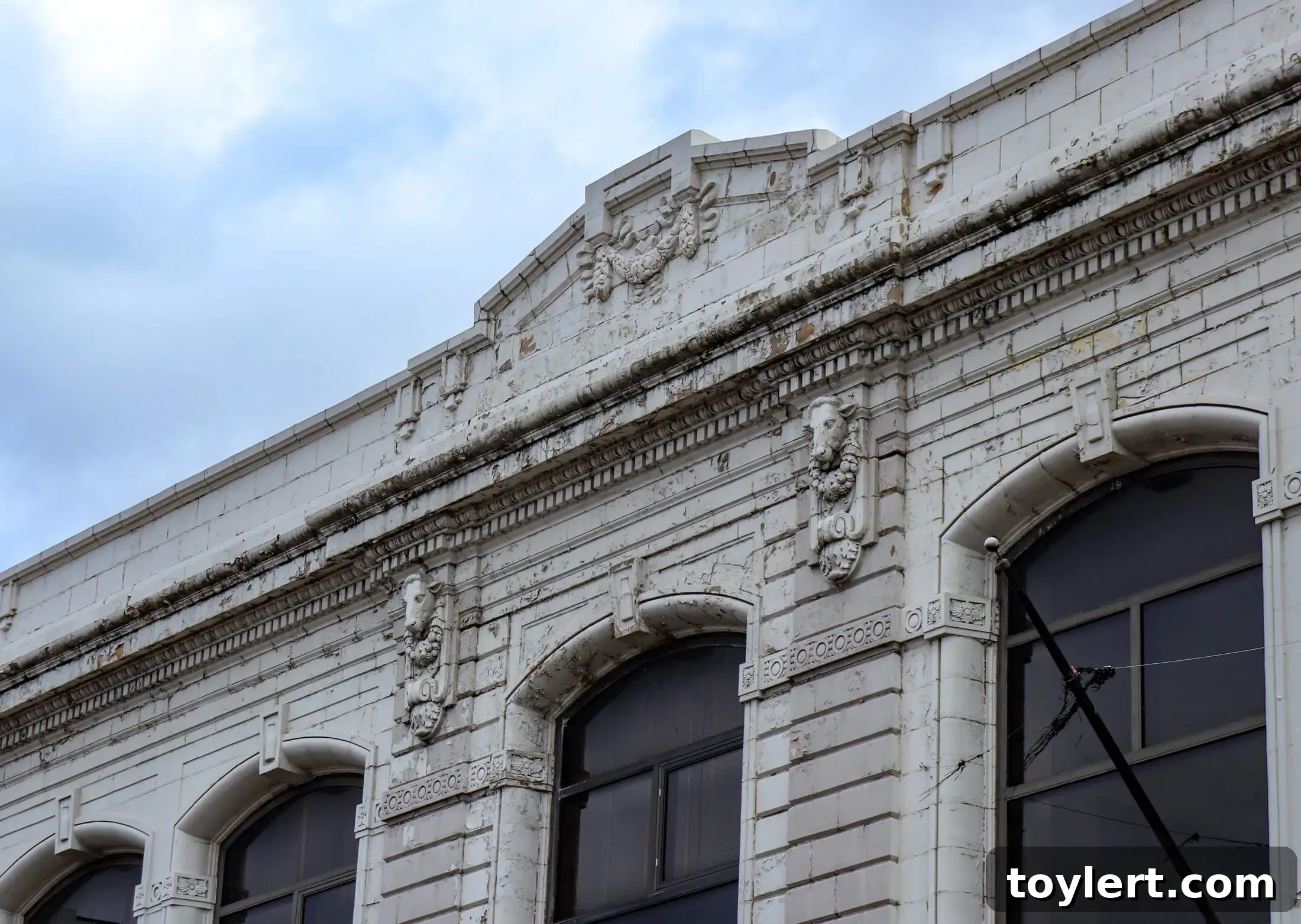
Unveiling the Timeless Charm of Fulton Street: A Historic Journey Through Brooklyn’s Bed-Stuy
Fulton Street isn’t merely a thoroughfare; it’s a vibrant artery pulsating through the heart of Brooklyn, weaving a rich tapestry of history, culture, and architectural marvels. While its bustling stretches in Downtown Brooklyn are widely recognized, a deeper exploration reveals an abundance of hidden narratives and stunning preservation efforts as it gracefully meanders through the historic neighborhood of Bedford-Stuyvesant, affectionately known as Bed-Stuy.
This iconic street serves as a living museum, each block telling tales of generations, community spirit, and the evolving landscape of one of Brooklyn’s most cherished areas. For those eager to delve into the nuanced layers of this streetscape, understanding its past is key to appreciating its present and future. It embodies the essence of Brooklyn’s development, showcasing periods of grand residential expansion, vibrant commercial activity, and profound social change that have collectively shaped its unique identity.
Embark on a Curated Journey: Exploring Bed-Stuy’s Main Artery
To truly grasp the essence of Fulton Street’s legacy within Bed-Stuy, curated explorations offer unparalleled insights. Renowned preservationists and passionate storytellers, Brownstoner columnist Suzanne Spellen (also known by her esteemed moniker Montrose Morris) and Morgan Munsey, have dedicated their expertise to bringing this history to life. Their collaboration has historically offered unique perspectives through engaging events such as “A Walk Down Brooklyn’s Fulton Street: Bedford Stuyvesant.”
These meticulously organized experiences often represent the first installment in a comprehensive series, designed to provide a deep dive into the historical and architectural significance of the neighborhood’s main street. Such tours typically concentrate on specific, historically rich segments of Fulton Street. For instance, a notable past virtual event, which occurred on Saturday, June 26, focused on the captivating stretch between Bedford and Throop Avenues, offering participants an intimate look at the treasures nestled within these blocks. This particular section is celebrated for its dense concentration of historically significant structures and the stories they hold.
A Glimpse into the Past: Architectural Wonders and Community Stories
The segment of Fulton Street between Bedford and Throop Avenues is particularly dense with architectural gems and poignant historical narratives. As participants virtually “walk” through this section, guided by expert commentary, they are introduced to an array of styles reflecting different eras of Brooklyn’s development. From the majestic Italianate brownstones with their ornate cornices and deep stoops to the intricate details of Queen Anne and Romanesque Revival facades, the buildings themselves narrate stories of affluent merchants, burgeoning communities, and the master craftsmanship of the late 19th and early 20th centuries. Each cornice, bay window, and stoop offers a clue to the past, revealing how Bed-Stuy grew from a collection of rural hamlets into a vibrant urban center, attracting diverse populations and fostering a distinct cultural identity.
Beyond the brick and mortar, these tours illuminate the social history woven into the fabric of the street. Learn about the prominent figures who once resided here, the influential businesses that thrived, and the pivotal community movements that shaped Bed-Stuy into the cultural beacon it is today. Discover how Fulton Street served as a central hub for commerce, social gatherings, and political activism, becoming a crucible for the neighborhood’s unique identity. Understanding these layers of history helps to contextualize the street’s importance not just locally, but within the broader narrative of New York City’s growth, migration patterns, and the ongoing struggle for social justice.
The Experts Behind the Expedition: Suzanne Spellen and Morgan Munsey
The caliber of a historical tour is profoundly elevated by the expertise of its guides, and Suzanne Spellen and Morgan Munsey are exceptional in this regard. Suzanne Spellen, widely recognized as Montrose Morris, is a celebrated architectural historian, author, and columnist for Brownstoner. Her profound knowledge of Brooklyn’s architecture and social history, coupled with her engaging storytelling, makes every discovery fascinating. She has spent decades researching, documenting, and advocating for the preservation of Brooklyn’s unique built environment, offering an invaluable lens through which to view Fulton Street and its surrounding areas. Her contributions have significantly shaped public understanding and appreciation for the borough’s architectural heritage.
Morgan Munsey, a respected preservationist in his own right, complements Spellen’s expertise with his deep understanding of urban planning, community advocacy, and the practical aspects of historic preservation. His work often involves navigating the complexities of urban development while championing the protection of historical assets. Together, their combined insights offer a holistic perspective, blending academic rigor with a genuine passion for safeguarding Brooklyn’s heritage. Their collaboration transforms a simple historical walk into an immersive educational experience, fostering a deeper appreciation for the architectural legacies and community narratives that define Bed-Stuy. Their ability to convey complex historical information in an accessible and captivating manner is a hallmark of their guided tours.
The Municipal Art Society: Champions of Urban Preservation
The organization behind such enriching experiences, the Municipal Art Society of New York (MAS), stands as a venerable institution dedicated to advocating for intelligent urban planning, design, and preservation throughout New York City. For over a century, MAS has been at the forefront of protecting the city’s unique character, advocating for public spaces, and educating New Yorkers about their built environment. Their commitment to fostering a vibrant urban future rooted in historical understanding makes them the ideal host for tours exploring Brooklyn’s architectural and social history, ensuring that these vital stories are not lost to time or redevelopment.
MAS tours, whether virtual or in-person, are renowned for their meticulous research and high-quality presentation. By partnering with leading experts like Suzanne Spellen and Morgan Munsey, MAS ensures that participants receive accurate, engaging, and thought-provoking insights into the neighborhoods they explore. These initiatives are crucial not only for historical education but also for fostering a sense of civic pride and encouraging active participation in preservation efforts. The society’s long-standing dedication to enhancing the quality of urban life through informed design and preservation practices underscores the importance of engaging with New York City’s rich past to shape its future.
The Enduring Value of Virtual Exploration: Accessibility and Depth
While the allure of an in-person stroll down historic streets is undeniable, virtual events have proven to be an invaluable medium for bringing history to a wider audience. A past virtual event, for instance, which was held on Saturday, June 26 at 11 a.m., allowed participants to explore Fulton Street’s history from the comfort of their homes. Tickets for such events are typically offered at a reasonable price, often $15 for members and $25 for non-members, making them accessible. This format democratizes access, enabling individuals from across the globe, or those with mobility constraints, to participate in educational journeys they might otherwise miss, thus broadening the reach of vital historical narratives.
Virtual tours, especially when expertly crafted, offer unique advantages that physical tours sometimes cannot. They can utilize high-quality images, archival photographs, historical maps, and even 3D renderings to provide perspectives that might be challenging to achieve on a physical tour. Experts can seamlessly transition between detailed architectural close-ups, showcasing intricate details of building facades, and broader historical contexts, enriching the learning experience with visual aids that go beyond what one might see on the street. This digital format transforms what could be a static presentation into an interactive and dynamic exploration, allowing for pauses, detailed explanations, and opportunities for Q&A sessions with the guides. Such innovative approaches ensure that the stories of places like Fulton Street continue to be told and appreciated by new generations, regardless of geographical barriers, thereby sustaining a vital connection to urban heritage.
What to Expect from a Comprehensive Fulton Street Tour
Participants in these guided explorations of Fulton Street can anticipate a rich tapestry of learning and discovery. Whether attending a live virtual event or accessing archived content, the experience is designed to be deeply informative and highly engaging. Key takeaways typically include:
- Architectural Heritage: A detailed examination of the diverse architectural styles that define Fulton Street, from grand 19th-century mansions and stately brownstones to the commercial buildings and tenements that reflect the area’s economic and social evolution. Understanding the progression of building styles helps to paint a vivid picture of Brooklyn’s historical development.
- Social and Cultural History: Insights into the lives of the residents, the evolution of communities, and the significant social movements that shaped Bed-Stuy. Learn about the street as a hub for African American culture, civil rights activism, and artistic expression, revealing its profound impact on both local and national narratives.
- Preservation Efforts: An appreciation for the ongoing work of preservationists, community advocates, and organizations like the Municipal Art Society dedicated to protecting these invaluable historical assets. Understand the challenges and triumphs of maintaining architectural integrity in a rapidly changing urban environment.
- Urban Development: A broader understanding of how urban infrastructure, transportation networks (such as the elevated train lines that once ran along Fulton Street), and economic shifts impacted the street’s trajectory and the surrounding neighborhood, shaping its current form and function.
- Expert Commentary: Direct access to the profound knowledge and passion of leading experts like Suzanne Spellen and Morgan Munsey, who provide nuanced interpretations, share engaging anecdotes, and answer participant questions, deepening the learning experience for all attendees.
Connecting with Brooklyn’s Past and Future
Fulton Street, particularly its segment within Bed-Stuy, stands as a profound testament to Brooklyn’s enduring spirit and its layered history. These tours, whether virtual or physical, serve as vital bridges, connecting contemporary residents and enthusiasts with the rich narratives of the past. They highlight not only the timeless beauty of the built environment but also the resilience, cultural vibrancy, and community spirit of the generations that have called this street home.
By investing time in understanding places like Fulton Street, we contribute to a collective effort of urban preservation and historical appreciation. Such initiatives foster a deeper connection to our surroundings and encourage thoughtful engagement with the future development of our cities, ensuring that growth is balanced with respect for heritage. We encourage you to explore similar offerings from the Municipal Art Society and other local preservation groups, continuing your journey into the captivating history of Brooklyn.
For information on upcoming events, archived tours, or to support the essential work of urban preservation, visit the official website of the Municipal Art Society of New York. Your engagement helps ensure that the stories of streets like Fulton continue to inspire and educate for generations to come, securing their place in the collective memory of New York City.
Discover more about historical tours and preservation efforts on the MAS website.