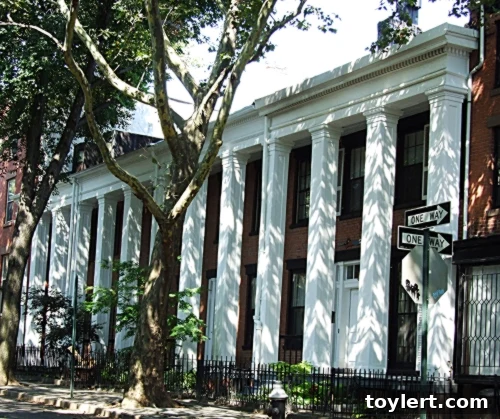
Colonnade Row: A Timeless Architectural Jewel on Brooklyn’s Willow Place
Brooklyn is a borough celebrated for its distinct neighborhoods, vibrant culture, and perhaps most notably, its exquisite architectural heritage. Among the many historic treasures that define its streetscapes, Colonnade Row stands out as a paramount example of classical elegance and enduring design. Nestled gracefully on Willow Place in the heart of the prestigious Brooklyn Heights, this remarkable ensemble of townhouses captures the essence of 19th-century grandeur and continues to captivate residents and visitors alike.
Often referred to simply as “Colonnade Row,” the buildings located between 43 and 49 Willow Place represent more than just a cluster of homes; they are a living testament to an era when architectural prowess and meticulous craftsmanship converged to create residential masterpieces. This detailed exploration delves into the history, architectural significance, and lasting appeal of Colonnade Row, highlighting its pivotal role in shaping the identity of Brooklyn Heights and affirming its status as one of New York City’s most cherished architectural landmarks.
The Genesis of Grandeur: A Look Back at Colonnade Row’s Origins
To truly appreciate Colonnade Row, one must journey back to the mid-19th century, a period of significant expansion and development for Brooklyn. As New York City sprawled, Brooklyn Heights emerged as a desirable residential enclave, offering panoramic views of Manhattan, a serene atmosphere, and an escape from the burgeoning urban intensity across the East River. It was within this context that the vision for Colonnade Row took shape.
Constructed around the 1840s, a time when the Greek Revival style was at its zenith in American architecture, Colonnade Row was designed to impress. This style, drawing inspiration from the temples of ancient Greece, symbolized democratic ideals, civic virtue, and a sophisticated aesthetic. Developers and architects of the era often embraced Greek Revival for public buildings and affluent residences, seeking to convey stability, prosperity, and timeless beauty.
While specific archival records regarding the original architect or developer can sometimes be elusive, the collective design vision behind Colonnade Row is clear. The project aimed to create a cohesive, elegant block of residences that would attract Brooklyn’s burgeoning merchant class and professionals. The choice of Willow Place, a quiet, tree-lined street offering proximity to the waterfront and the nascent social amenities of Brooklyn Heights, was strategic. It provided the perfect backdrop for homes that were both stately and inviting.
Architectural Splendor: Unpacking the Greek Revival Masterpiece
The defining feature of Colonnade Row, and indeed the source of its name, is the impressive series of classical columns that adorn the facades of these townhouses. Typically, each house features grand porticos with Ionic or Doric columns, supporting an ornate entablature and often a delicate iron railing. This creates a visually stunning and unified front, imparting a sense of monumental scale and sophisticated grace to the entire row.
Key architectural elements contribute to its distinctive character:
- The Colonnade: The most striking element, these columns frame the main entrances and upper floors, providing a sense of depth and classical grandeur. They are meticulously carved, often from brownstone, and showcase the period’s commitment to detail.
- Material Palette: While many Brooklyn brownstones are, as the name suggests, built primarily of brownstone, Colonnade Row often incorporates painted brick or stucco for its primary facade, allowing the brownstone or stone columns to stand out in elegant contrast. The interplay of textures and colors adds to its visual richness.
- Symmetry and Proportion: A hallmark of Greek Revival architecture, the homes on Colonnade Row exhibit exceptional symmetry. Windows are carefully spaced, doors are centrally located, and the overall proportions adhere to classical principles, creating a harmonious and balanced appearance.
- Detailed Entrances: Beyond the columns, the front doors themselves are often elaborate, featuring ornate surrounds, fanlights, and sidelights that allow natural light into the entryways while maintaining privacy.
- Ironwork: Elegant cast-iron railings, often featuring classical motifs, line the stoops and window balconies, adding a layer of delicate ornamentation that complements the robust stone and brickwork.
- Rooflines: The buildings typically feature low-pitched roofs, often hidden behind parapet walls, maintaining a clean, strong horizontal line that further emphasizes the classical aesthetic.
Each house, while part of a unified whole, often boasts subtle individual variations in its decorative elements, contributing to a sense of bespoke craftsmanship within a grand design. This blend of unity and subtle individuality is a testament to the high standards of 19th-century urban residential development.
Willow Place and Brooklyn Heights: A Neighborhood of Enduring Charm
Colonnade Row is inseparable from its location on Willow Place, a street that embodies the quintessential charm of Brooklyn Heights. Willow Place itself is a quiet, tree-lined residential street, famous for its historic homes and tranquil atmosphere, a stark contrast to the bustling streets just a few blocks away. It offers residents a peaceful retreat while being minutes from vibrant commercial areas.
Brooklyn Heights, designated as New York City’s first Historic District in 1965, is renowned for its impeccably preserved 19th-century architecture, including Federal, Greek Revival, Italianate, and Queen Anne styles. The neighborhood’s picturesque streets, cobblestone alleys, and stunning views of the Manhattan skyline from the iconic Brooklyn Heights Promenade make it one of the city’s most desirable and visually appealing areas.
Living on Willow Place means being part of a community that deeply values its history and aesthetic appeal. Residents enjoy unparalleled access to:
- The Brooklyn Heights Promenade: Offering breathtaking vistas of the Manhattan skyline, the Statue of Liberty, and the Brooklyn Bridge.
- Historic Streets: Meandering through streets like Cranberry, Orange, and Pineapple, lined with meticulously maintained brownstones and gas lamps.
- Local Amenities: A charming array of independent boutiques, cafes, and restaurants along Montague Street and Atlantic Avenue.
- Parks and Green Spaces: Including Brooklyn Bridge Park, a sprawling waterfront park offering recreational activities and cultural events.
- Excellent Transportation: Easy access to multiple subway lines provides quick commutes to Manhattan and other parts of Brooklyn.
Colonnade Row’s location perfectly positions it within this rich tapestry, allowing its residents to experience the best of historic urban living combined with modern conveniences.
Preservation and Legacy: Guardians of History
The continued existence and pristine condition of Colonnade Row are not accidental; they are a direct result of dedicated preservation efforts and the foresight of urban planners. The designation of Brooklyn Heights as a historic district provided a crucial layer of protection, ensuring that architectural integrity is maintained and inappropriate alterations are prevented.
Homeowners in Colonnade Row, like many in Brooklyn Heights, are often custodians of history, taking immense pride in maintaining their properties according to historic guidelines. This dedication ensures that the unique character and architectural details that make these homes special are preserved for future generations. The challenges of maintaining historic properties, from specific material sourcing to adherence to strict architectural review boards, are met with a passion for heritage.
Colonnade Row remains a highly sought-after address, not just for its beauty and historical significance, but also for the unparalleled quality of life it offers. It stands as a powerful symbol of Brooklyn’s commitment to preserving its past while embracing its future. Its stately presence reminds us of the enduring value of well-designed, thoughtfully constructed urban residences that stand the test of time.
Conclusion: An Enduring Icon of Brooklyn’s Architectural Heritage
From its origins in the boom years of 19th-century Brooklyn to its current status as a beacon of historic preservation, Colonnade Row on Willow Place is more than just a collection of beautiful homes. It is a vital part of Brooklyn’s architectural narrative, a testament to the timeless appeal of Greek Revival design, and a cornerstone of the cherished Brooklyn Heights neighborhood.
Its distinctive colonnades, meticulously crafted details, and harmonious proportions continue to evoke a sense of grandeur and historical depth. As you walk along Willow Place, passing beneath the majestic columns of Colonnade Row, you can’t help but feel connected to a rich past, appreciating the artistry and vision that went into creating such an enduring masterpiece. Colonnade Row is, without a doubt, a jewel in Brooklyn’s crown, a landmark that continues to inspire and remind us of the beauty that meticulous architecture can bring to our urban landscapes.