Brooklyn’s Architectural Gems: Unveiling the Timeless Elegance of St. James Place Row Houses
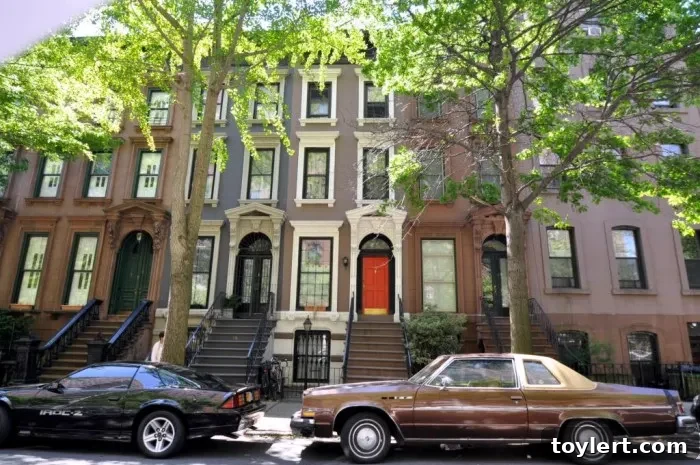
Brooklyn, one building at a time. This philosophy guides our journey through the borough’s rich architectural tapestry, revealing the stories etched into its historic facades. Today, our focus turns to the captivating row houses, particularly the iconic structures found at 14-16 St. James Place. These buildings are not merely residences; they are living testaments to Brooklyn’s storied past, offering a profound glimpse into the craftsmanship, design sensibilities, and community spirit that have defined this vibrant New York City borough for generations.
The name “row houses” often conjures images of uniform structures, but in Brooklyn, this term encompasses a remarkable diversity of styles, materials, and historical periods. Each block, and indeed each house, possesses its own unique character, contributing to the distinctive streetscapes that make Brooklyn so beloved. St. James Place, nestled within one of Brooklyn’s most cherished neighborhoods, stands out as a prime example of this architectural wealth, showcasing homes that blend historical integrity with enduring aesthetic appeal.
The Genesis of Brooklyn Row Houses: A Historical Perspective
To truly appreciate the row houses of St. James Place, one must understand their historical context. The mid-19th century to the early 20th century marked a golden age of development in Brooklyn. As New York City expanded, Brooklyn emerged as a desirable residential alternative, accessible via new bridges and transit lines. This period saw a proliferation of speculative building, where developers and master builders constructed rows of attached or semi-attached single-family homes, designed to appeal to the burgeoning middle and upper-middle classes seeking elegant urban dwellings.
These homes were built with an emphasis on craftsmanship and detail, reflecting the prevailing architectural tastes of their time. From the robust, dignified brownstones of the Italianate and Neo-Grec styles to the more ornate and romantic expressions of the Queen Anne and Romanesque Revival periods, Brooklyn’s row houses are an architectural encyclopedia in brick and stone. St. James Place likely embodies a blend of these influences, each façade telling a silent story of the era it was conceived in, often reflecting the aspirations and aesthetic preferences of its original inhabitants.
Architectural Grandeur: Distinctive Features of St. James Place Homes
What makes the row houses at 14-16 St. James Place, and indeed many others throughout Brooklyn, so captivating? It’s a combination of meticulous detail and grand design. Typically constructed with durable materials like brick, brownstone, or a combination of both, these homes were built to last. The iconic stoop, a hallmark of Brooklyn row houses, serves not just as an entrance but as a social threshold, bridging the private world of the home with the public life of the street. It’s a stage for morning greetings, casual chats, and community connection.
Beyond the stoop, one can observe an array of intricate architectural elements: finely carved cornices that crown the building, elaborate window surrounds that frame expansive sash windows, and often decorative ironwork adorning railings and garden gates. The entryways themselves are frequently works of art, featuring detailed pilasters, carved pediments, and transoms with leaded glass or etched patterns that hint at the grandeur within. While specific details for 14-16 St. James Place would require closer inspection, it is safe to assume these buildings exhibit many of these characteristic features, embodying the quintessential Brooklyn aesthetic.
The Enduring Appeal of Brownstone Living
The term “brownstone” has become almost synonymous with Brooklyn row houses, even if not every historic home is literally clad in the distinctive reddish-brown sandstone. This material, quarried primarily in New Jersey and Connecticut, gained immense popularity in the 19th century for its workability and rich, earthy tone. Homes like those on St. James Place, whether true brownstones or brick houses with brownstone trim, exude a particular warmth and gravitas that continues to draw residents and admirers today. The tactile quality of the stone, weathered by time, adds layers of character and depth that modern constructions rarely achieve.
Inside, these homes often reveal layouts designed for elegant living, typically featuring a parlor floor with high ceilings, large windows, and original details such as plaster moldings, decorative fireplaces with marble mantels, and hardwood floors. The flow from front parlor to dining room, often separated by pocket doors, speaks to a different era of entertaining and domestic life. Even when updated for contemporary living, the bones of these historic homes provide an unparalleled foundation for unique and sophisticated interiors.
St. James Place: A Microcosm of Brooklyn’s Charm
St. James Place is more than just an address; it represents a lifestyle. The tree-lined streets, the sense of community, and the proximity to Brooklyn’s cultural institutions, parks, and vibrant commercial corridors make it a highly desirable locale. The specific row houses at 14-16 St. James Place are part of a larger narrative, contributing to the coherent and picturesque streetscape that defines the area. Walking along this street, one can almost hear the echoes of past residents, witnessing the continuous story of a neighborhood evolving while holding steadfast to its roots.
The preservation of these architectural treasures is paramount. Brooklyn’s designation of historic districts, along with the tireless efforts of community groups and individual homeowners, ensures that the unique character of places like St. James Place is maintained for future generations. Investing in a row house here means becoming a steward of history, participating in a legacy that extends far beyond the property lines.
The Modern Allure: Why Brooklyn Row Houses Remain Highly Sought After
In an ever-changing urban landscape, the appeal of Brooklyn row houses endures, perhaps even intensifies. They offer a rare combination of historical authenticity, architectural beauty, and a tangible connection to a vibrant community. Unlike many modern residences, these homes possess an inherent soul, a narrative woven into their very fabric. Homebuyers are drawn not just to the square footage, but to the story, the character, and the lifestyle that comes with owning a piece of Brooklyn’s architectural heritage.
Furthermore, these properties often represent excellent long-term investments. Their scarcity, combined with their timeless charm and location in desirable neighborhoods, ensures their value appreciation. But beyond the financial aspect, it’s the quality of life they afford – the quiet serenity of a historic street, the joy of a private garden, and the connection to a neighborhood with a strong sense of identity – that truly elevates the Brooklyn row house experience.
Conclusion: The Enduring Legacy of Brooklyn’s Architectural Wonders
The journey through Brooklyn, one building at a time, reveals a profound appreciation for its architectural masterpieces. The row houses of St. James Place, exemplified by the elegant structures at 14-16, stand as powerful reminders of a bygone era of craftsmanship and design. They are not static monuments but dynamic spaces, continually reinterpreted and cherished by new generations while preserving the essence of their origins.
As we continue to explore the diverse and rich architectural heritage of Brooklyn, these row houses will undoubtedly remain a focal point. They symbolize resilience, beauty, and the enduring human desire to create homes that are not just shelters, but works of art and anchors of community. The story of Brooklyn’s row houses is a never-ending narrative, one that invites us all to look closer, appreciate deeper, and celebrate the magnificent structures that define this extraordinary borough.